Bloat in Dogs Isn't a Bad Dinner — It's an Emergency
A restless dog retching without vomiting after dinner looks minor, but in large breeds it can be bloat (GDV). Here's how to recognize it and act in time.
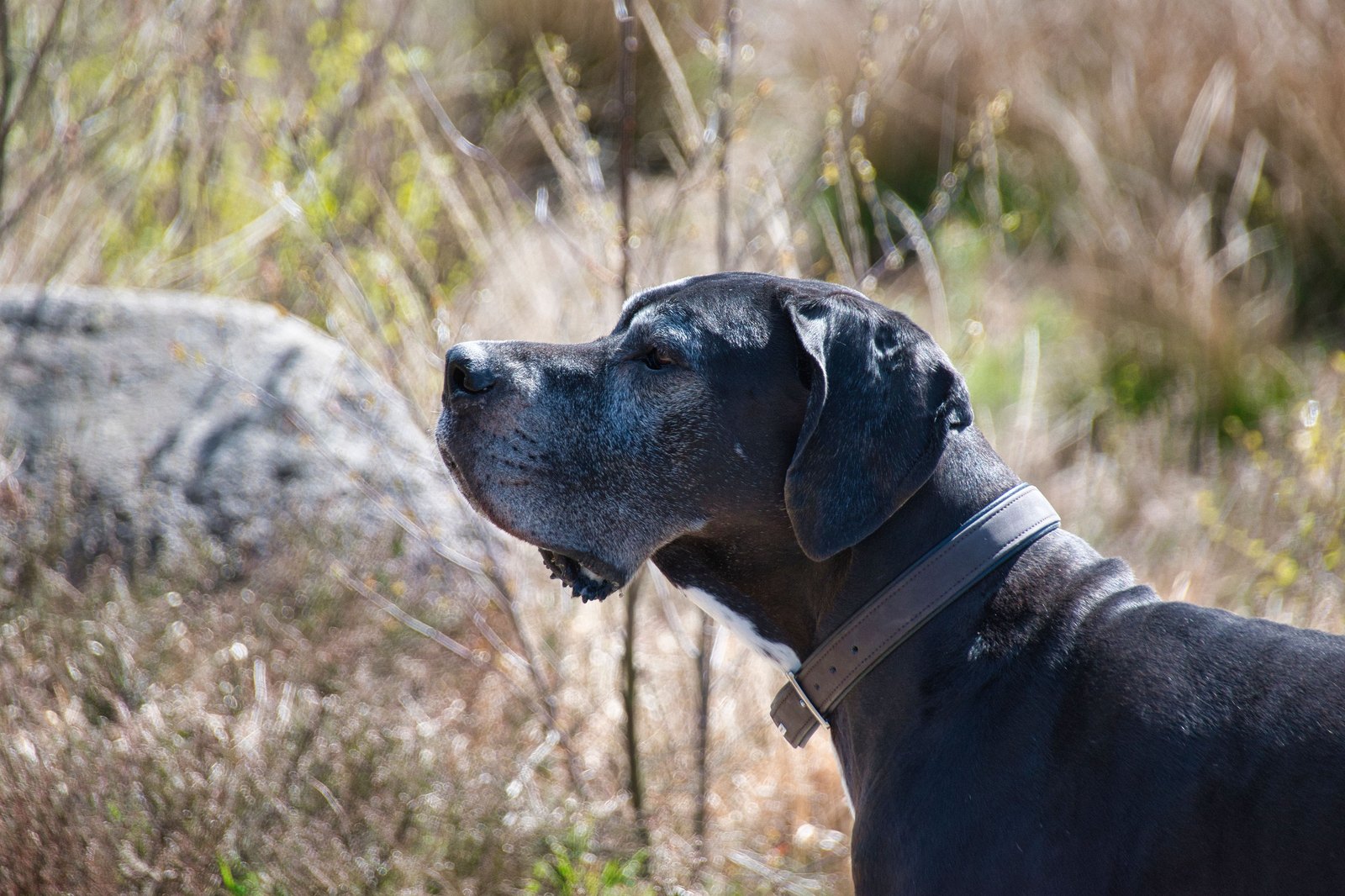
A big, deep-chested dog pacing after dinner and trying to throw up without bringing anything up looks like a dog with an upset stomach who just needs an hour to settle. In large and giant breeds, that exact picture can also be the first hour of gastric dilatation-volvulus (GDV) — bloat — a condition where waiting to see is the one response that actually costs time you don't have.
The misconception: it's just a bad dinner
A restless dog who paces and retches without producing anything after a meal reads like ordinary indigestion, something that will probably pass if you just give it time. Unlike indigestion, bloat doesn't settle down on its own — it gets worse by the hour, sometimes progressing from first sign to life-threatening within one to two hours.
Why it's more complicated: a twisting stomach cuts off its own blood supply
In GDV, the stomach fills with gas, food, or fluid, distends, and can rotate on itself. That twist seals off both ends of the stomach and cuts off blood flow to the stomach wall and the spleen, while also pressing on the major veins returning blood to the heart. Early signs are easy to dismiss: restlessness, pacing, drooling more than usual, and repeated unproductive retching — trying to vomit without anything coming up. As the stomach keeps distending, the abdomen becomes visibly swollen and hard, and the dog may whine or look back at its own belly.
Later signs mean the twist has progressed: weakness, collapse, pale or white gums, a racing heart, and labored breathing. 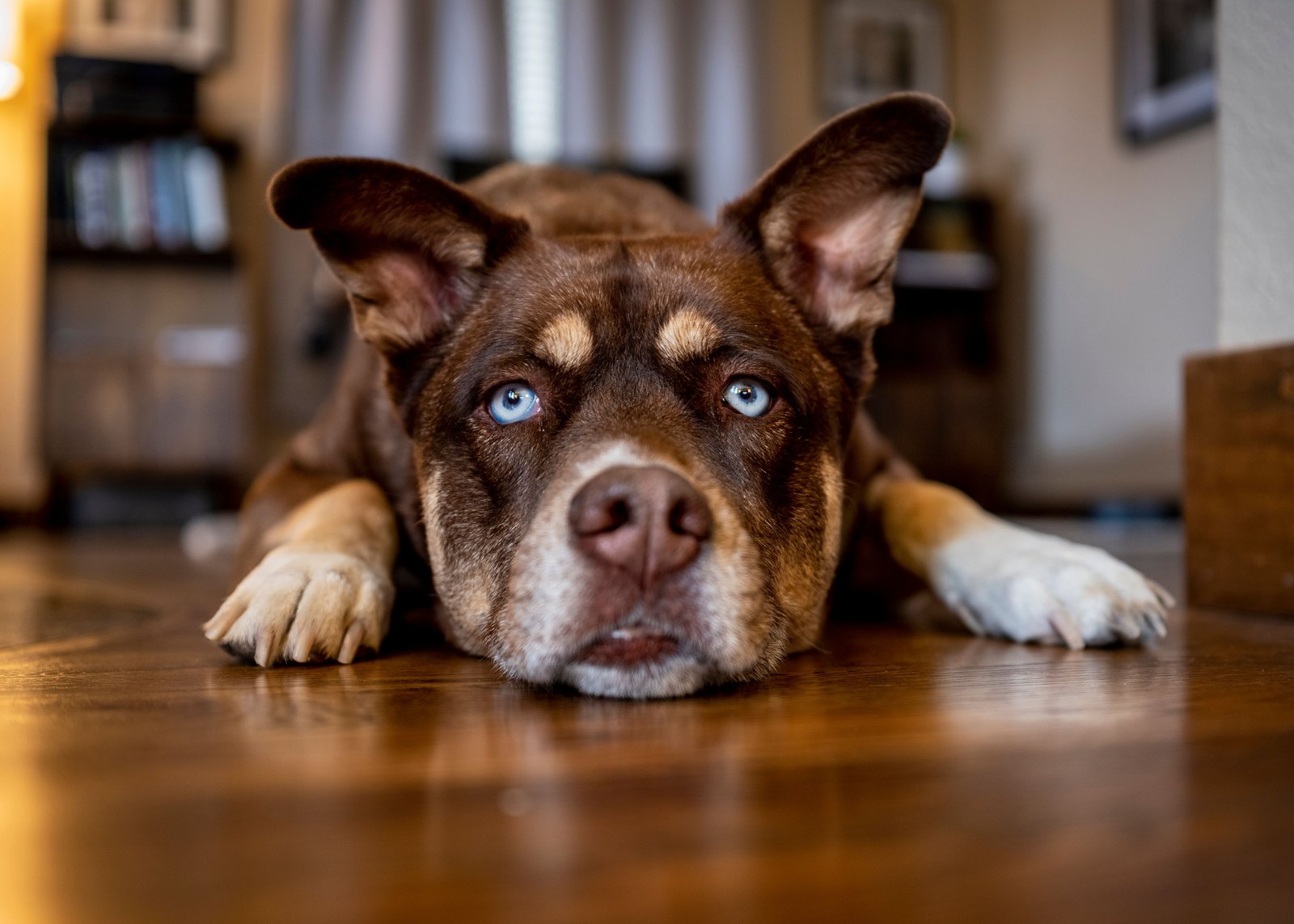 At this stage the dog is going into shock, and every additional hour without surgery lowers the odds of survival. Large and giant deep-chested breeds — Great Danes, German Shepherds, Standard Poodles, Weimaraners, Doberman Pinschers, and setters — carry the highest risk, along with older dogs, fast eaters, and dogs with a first-degree relative that has had GDV. Contrary to older advice, research has actually linked raised feeding bowls to a higher rate of GDV, not a lower one — the variable that matters is eating speed, not bowl height.
The actual fix: know the baseline, act fast, and reduce the odds
Learn your dog's individual baseline now — what a normal resting belly feels like and how your dog acts after a normal meal — so a real change actually registers. If you see repeated unproductive retching plus a visibly swollen or hard abdomen in a large or giant breed dog, treat it as a surgical emergency: call your vet or the nearest emergency animal hospital immediately and go, rather than waiting to see if it passes. Day to day, feed two or three smaller meals instead of one large one, use a slow-feeder bowl if your dog gulps food, and avoid vigorous exercise for an hour or so before and after meals. If you own a high-risk breed, ask your vet about prophylactic gastropexy — surgically securing the stomach in place, often done alongside a spay or neuter — the most effective way to prevent the twist from happening at all.
FAQ
Can bloat happen in small dogs? It's rare but not impossible; the highest risk is clearly concentrated in large and giant deep-chested breeds.
Is bloat the same as simple overeating or gas? No — ordinary overeating causes discomfort that resolves on its own, while GDV involves the stomach physically rotating and cutting off its blood supply, which does not resolve without surgery.
The one thing to remember about bloat: unproductive retching plus a visibly swollen belly means go now, not wait and see. Save your emergency vet clinic's number and address somewhere you can find it instantly — with GDV, the minutes spent searching for it are minutes the surgery team doesn't have. If your dog is retching without producing anything and its abdomen looks swollen or feels hard, get to a vet immediately.
Related articles
 4 min read1 views
Why You Can't Judge Your Pet's Weight by Looking Alone
A number on the scale doesn't tell you if your dog or cat is a healthy weight. Here's the 30-second hands-on check vets actually use, and how often to do it.
 5 min read1 views
The Truth About 'Looking Fine': 3 At-Home Vet Checks
Your dog or cat can seem 'fine' right up until a vet visit turns serious. Here are 3 simple checks, no special equipment needed, that catch problems sooner.
