4 Things to Do the Moment You Find a New Lump
Finding a new lump under your pet's skin is unsettling, but panic isn't useful and ignoring it isn't either. Here's what to actually do next.
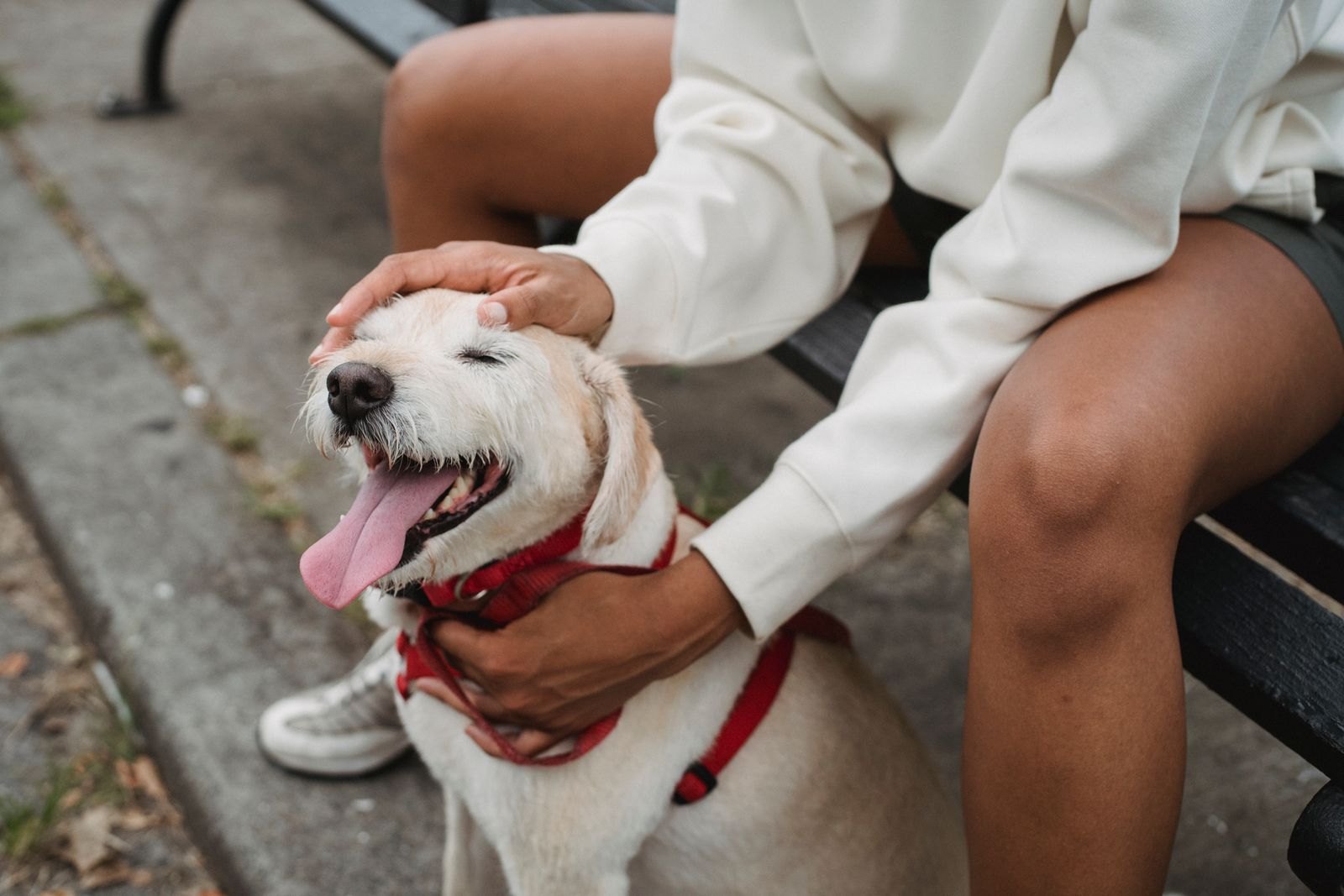
Running a hand along your dog's side during a normal cuddle and finding an unexpected lump is one of those moments that jumps straight to a worst-case scenario for a lot of owners — and just as many people go the opposite direction and dismiss it as “probably just a fatty lump” without checking further. Neither extreme is actually useful. What matters is what you do in the days right after finding it, not which way you guess.
The misconception: you can tell how serious it is by how it feels
A common rule of thumb gets passed around online: soft and mobile under the skin means benign, hard and fixed in place means cancer. It's a reasonable-sounding shortcut, but it isn't reliable enough to actually act on — benign fatty lumps (lipomas) are often soft and mobile, which is true, but some early-stage malignant tumors can feel exactly the same way, and firmness alone doesn't reliably separate the two either. Vets don't diagnose lumps by feel for exactly this reason.
Why it's actually more complicated: texture isn't the signal that matters most
The only way to actually tell what a lump is made of is a fine needle aspirate — a quick, usually well-tolerated procedure where a vet draws a small sample of cells with a thin needle and examines them under a microscope (cytology), rather than guessing from touch alone. What actually matters more than initial texture is change over time: how fast it's growing, whether its shape or surface changes, whether it starts to ooze or ulcerate, and whether your pet begins bothering it (licking, chewing, or showing pain when it's touched). A lump that's been the same soft, small size for two years carries a different level of concern than one that's doubled in a month, regardless of how either one feels under a finger.
4 things to actually do
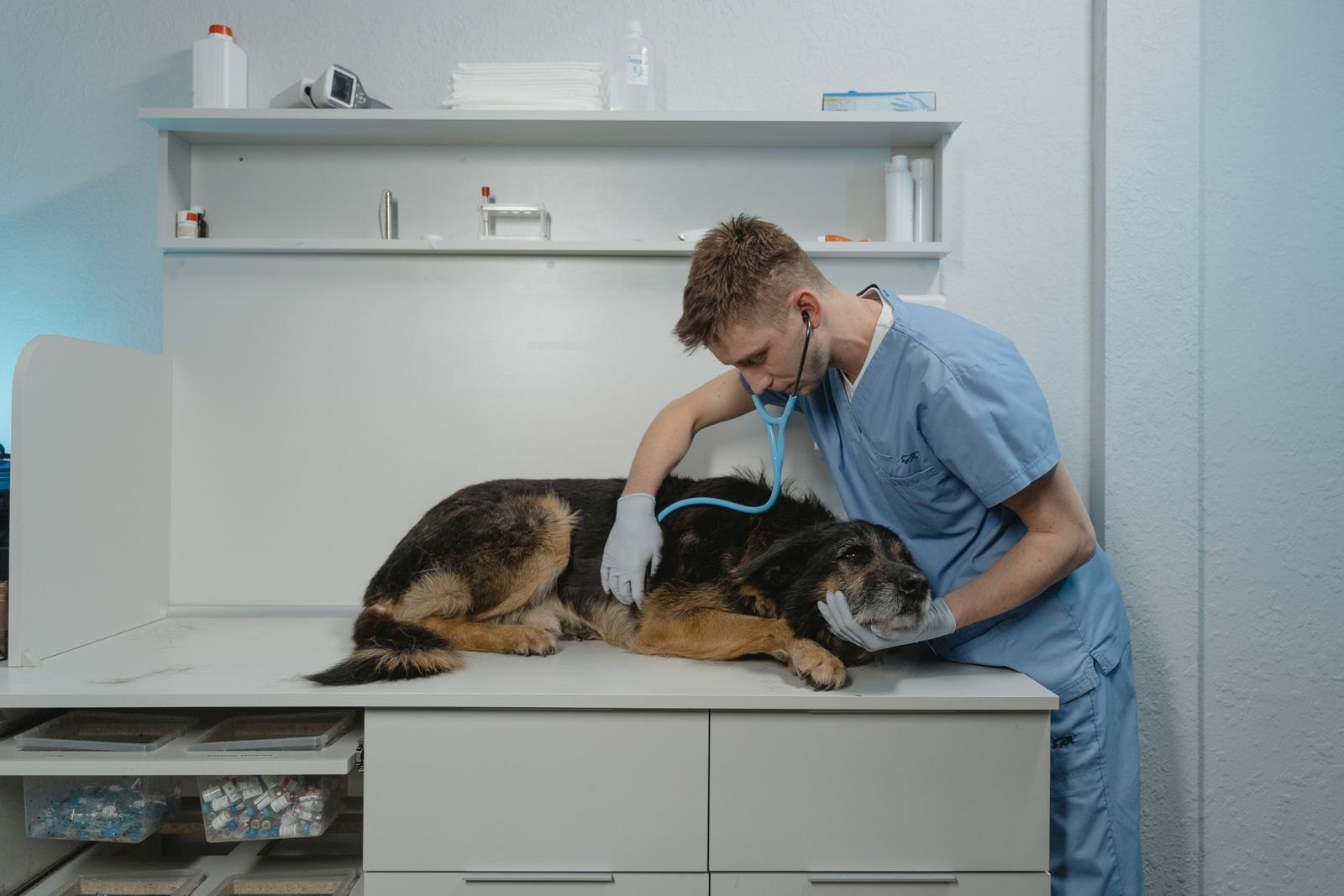
Rather than guessing from texture or panicking outright, these four steps cover what's actually useful in the days after finding something new:
- Document it properly — note the date you found it, its exact location, and its approximate size (a coin or ruler next to it in a photo works well) so you have an actual baseline to compare against later, not just a memory.
- Watch for the signals that matter over the following one to two weeks: rapid growth, a change in shape or surface texture, oozing or ulceration, or your pet suddenly licking, chewing, or reacting to it being touched.
- Don't let “probably fine” turn into months of waiting — a lump that's new, growing, or on an older pet is worth a vet exam and likely a fine needle aspirate sooner rather than later, since many treatable conditions respond far better to early diagnosis.
- Don't swing to the other extreme either — panicking and demanding immediate surgical removal before any diagnostic workup skips the step (cytology) that would actually tell you whether removal is even the right call.
FAQ
Is a new lump more concerning in an older pet?
Age is a real factor vets weigh — new masses in senior pets get investigated more promptly than the same finding in a young, otherwise healthy animal, simply because the odds shift with age, though a fine needle aspirate is still the only way to know for a specific lump.
How fast is “too fast” for growth to be worrying?
There's no single universal cutoff, but a lump that visibly changes size within days to a couple of weeks is a more urgent signal than something that's grown gradually over many months — either way, a vet exam is what actually answers the question rather than trying to estimate it yourself.
If there's one thing worth taking from all of this, it's this: texture alone can't tell you what a lump is, so a lump that's new, growing, or changing deserves an actual vet exam rather than a guess based on how it feels. That one step — getting it looked at instead of debating soft-versus-hard in your head — is what actually protects your pet either way.
Related articles
 4 min read0 views
Why You Can't Judge Your Pet's Weight by Looking Alone
A number on the scale doesn't tell you if your dog or cat is a healthy weight. Here's the 30-second hands-on check vets actually use, and how often to do it.
 5 min read0 views
The Truth About 'Looking Fine': 3 At-Home Vet Checks
Your dog or cat can seem 'fine' right up until a vet visit turns serious. Here are 3 simple checks, no special equipment needed, that catch problems sooner.
 5 min read0 views