That 'Guilty Look' on Your Dog Isn't What You Think
Ears back, eyes down, slinking away the second you spot a mess — it looks like guilt, but the real explanation is about your reaction, not your dog's memory.
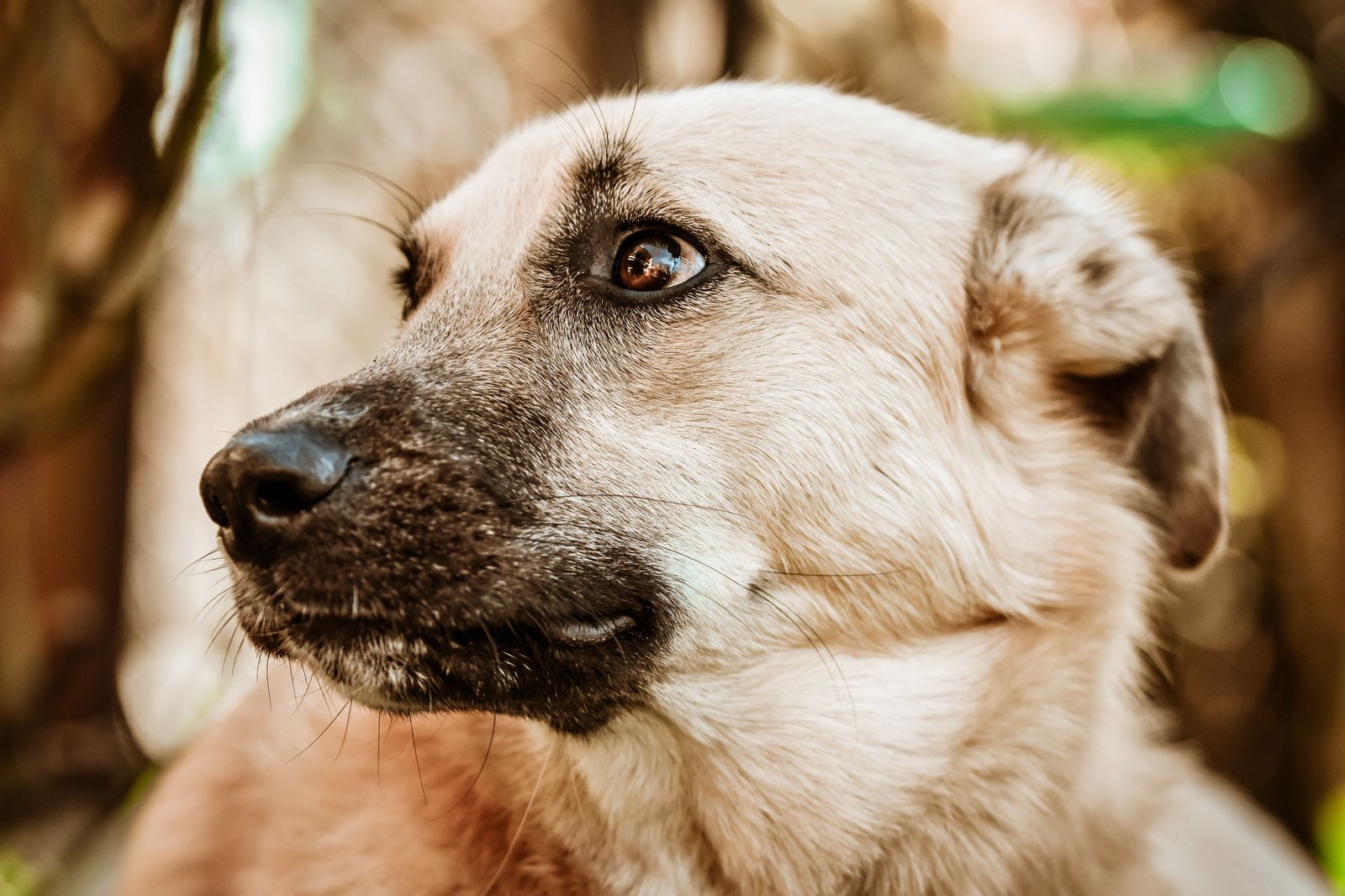
You walk in, spot the shredded cushion on the floor, and before you've even said a word, your dog is already slinking away — ears pinned back, eyes down, practically radiating shame. It looks exactly like a confession. But that expression isn't your dog admitting to a crime it remembers committing — it's a reaction to you, happening in real time, and the difference matters for how you handle it.
The misconception: that look proves the dog knows what it did
Owners take the 'guilty look' — avoiding eye contact, ears back, a slinking, lowered posture, tail tucked — as solid evidence the dog understands exactly what it did wrong and feels ashamed about that specific act. It's an intuitive read, since the look tends to show up right as you're staring at the evidence, which makes it feel like a confession lining up perfectly with the crime.
Why it's actually happening: it's about your body language, not the dog's memory
A well-known study on dog cognition tested this directly by scolding dogs regardless of whether they had actually eaten a forbidden treat. The result: dogs displayed the 'guilty look' based on the owner's accusing tone and posture in the moment, not on whether they'd actually broken a rule — innocent dogs who got scolded looked just as 'guilty' as dogs who'd genuinely misbehaved.
That points to the look being an appeasement or submission display, triggered by your posture, tone, and eye contact right then and there — not a retrospective admission tied to a memory of the earlier action. Dogs also have a very short window for connecting an action to a consequence, typically just seconds. A scolding delivered minutes or hours after the fact doesn't register as "that chewing was wrong" — it registers as "my owner coming home is scary," which can chip away at trust and build anxiety around completely normal routines like you walking through the door.
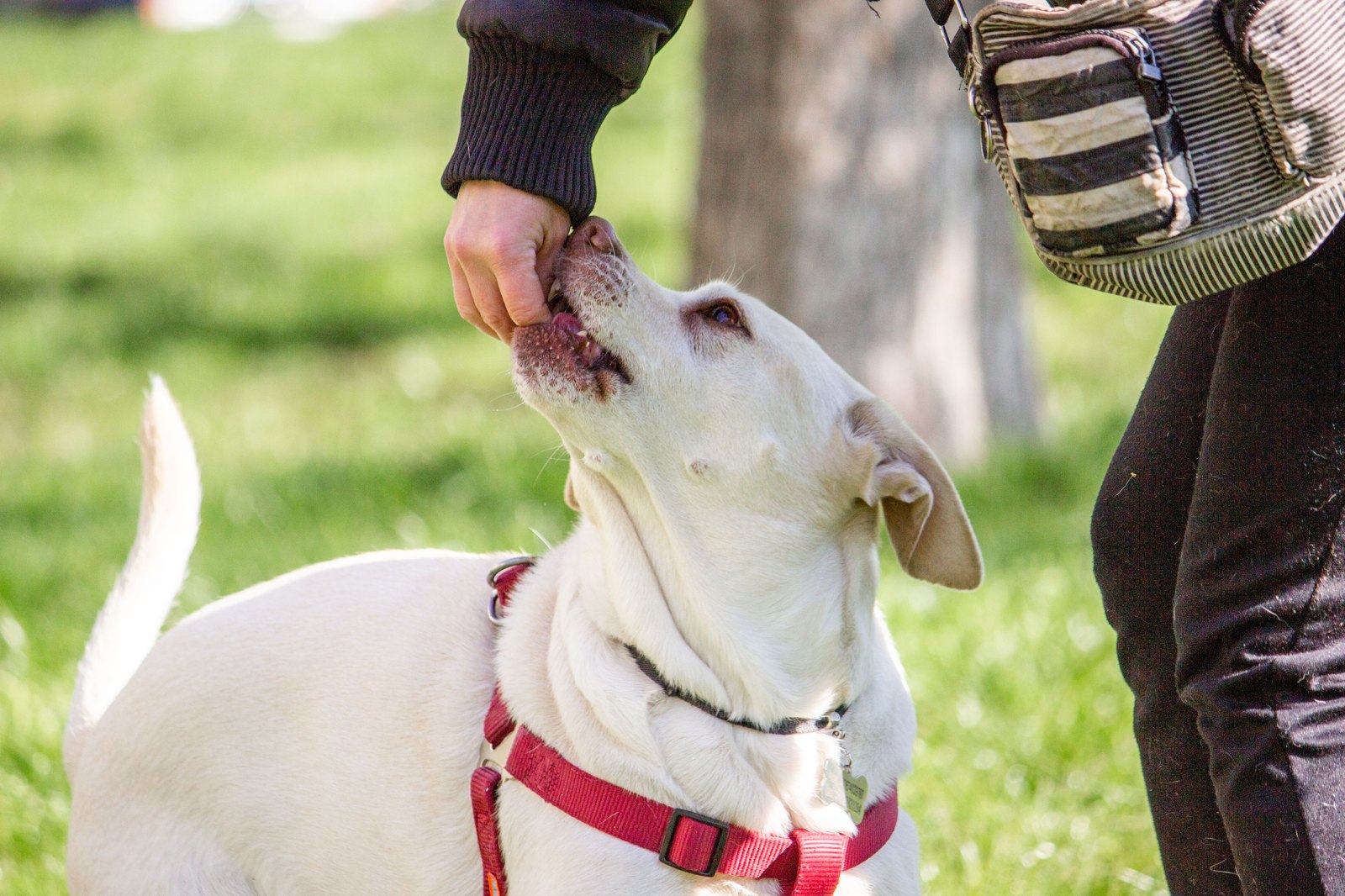
The actual fix: manage the moment, not the memory
Skip the after-the-fact scolding entirely — it doesn't teach the dog what not to do, since the link between the old action and the current correction has already been lost by the time you find the mess. Managing the environment does more good than any scolding could: crate or gate the dog when unsupervised, secure trash cans, and keep counters clear so the unwanted behavior has fewer chances to happen in the first place.
- Catch it in the act, not after — redirecting calmly and rewarding the alternative behavior only works in that same moment, since that's the only window where the connection can actually form.
- Set up the environment so the behavior can't happen unsupervised, rather than relying on a correction after the fact.
- Clean up messes without any scolding ritual and watch what happens — the 'guilty look' often still shows up purely from your body language and tone.
- Notice if the appeasement posture appears even without any mess at all, which points toward general anxiety rather than a single bad habit.
FAQ
So my dog really doesn't feel bad about wrecking my things?
Dogs clearly pick up on your mood and react to it, but the specific link between "I chewed that" and "that was wrong" isn't there the way it would be for a person — the guilty look is a response to you, not a self-assessment of the earlier act.
Does this mean scolding never works at all?
Timing is what matters — a correction delivered within seconds of catching the behavior can be effective, while one delivered after you've already found the evidence mostly just teaches the dog to read your mood.
Next time you find a mess, it's worth trying this: skip the scolding, clean it up quietly, and watch whether the 'guilty look' still shows up anyway. The look on your dog's face when you walk in isn't a confession — it's a reaction to you. If your dog seems anxious or fearful around your homecomings even without any incident, or the appeasement behavior seems to be getting more frequent or intense over time, that's worth discussing with a vet or a veterinary behaviorist.
Related articles
 4 min read2 views
5 Signs Your Dog's Mess Is Separation Anxiety, Not Spite
Chewed doorframes and accidents while you're out often get read as revenge. Here's what separation anxiety actually is, and the graduated approach that helps.
 4 min read3 views
Dog Resource Guarding Isn't About Dominance
A growling dog over food isn't asserting dominance. Here's the real anxiety behind resource guarding and the counterconditioning fix that works.
 4 min read1 views