4 Hidden Risks of a Vegan Diet for Cats
A plant-based diet sounds kinder, but cats need an amino acid found almost only in meat. Here's what taurine deficiency actually does before symptoms show.
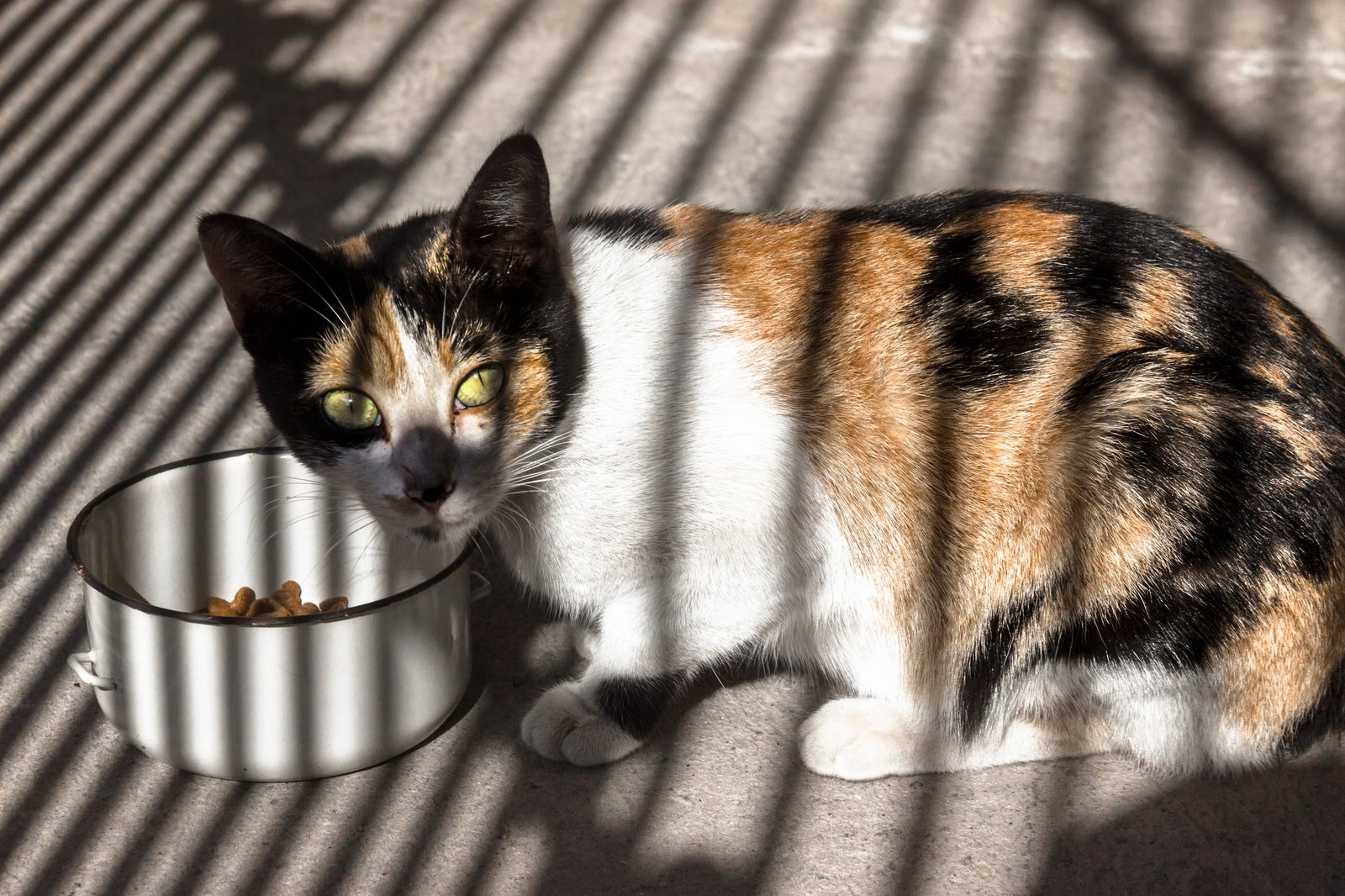
Plant-based eating comes with real, well-documented benefits for people, and it's an easy leap to assume the same logic applies to the cat bowl — often framed as the more compassionate, more sustainable choice. But a cat's body isn't built like a human's, and one missing amino acid in an unsupplemented vegan diet can quietly damage a cat's heart and eyes before any obvious symptom shows up.
The misconception: a plant-based diet is just the more ethical choice
Framing a cat's diet purely as an ethical or environmental decision treats it the same way it might be treated for a person choosing to go vegan. That framing skips over a hard biological fact: a cat's body has a nutritional requirement that a human's simply doesn't — one specific amino acid that occurs in meaningful amounts almost exclusively in animal tissue.
Why it's more complicated: obligate carnivore isn't a lifestyle label
Cats are obligate carnivores, and taurine is the clearest example of why that classification matters. Humans and dogs can synthesize taurine on their own in adequate amounts; cats largely cannot, and need to get it directly from their diet. A prolonged taurine shortfall leads to dilated cardiomyopathy (DCM) — the heart muscle weakens and the chambers enlarge, so the heart can't pump effectively, eventually causing heart failure. Taurine deficiency can also cause central retinal degeneration, a slow and often permanent loss of vision.
Both conditions can develop silently for months. 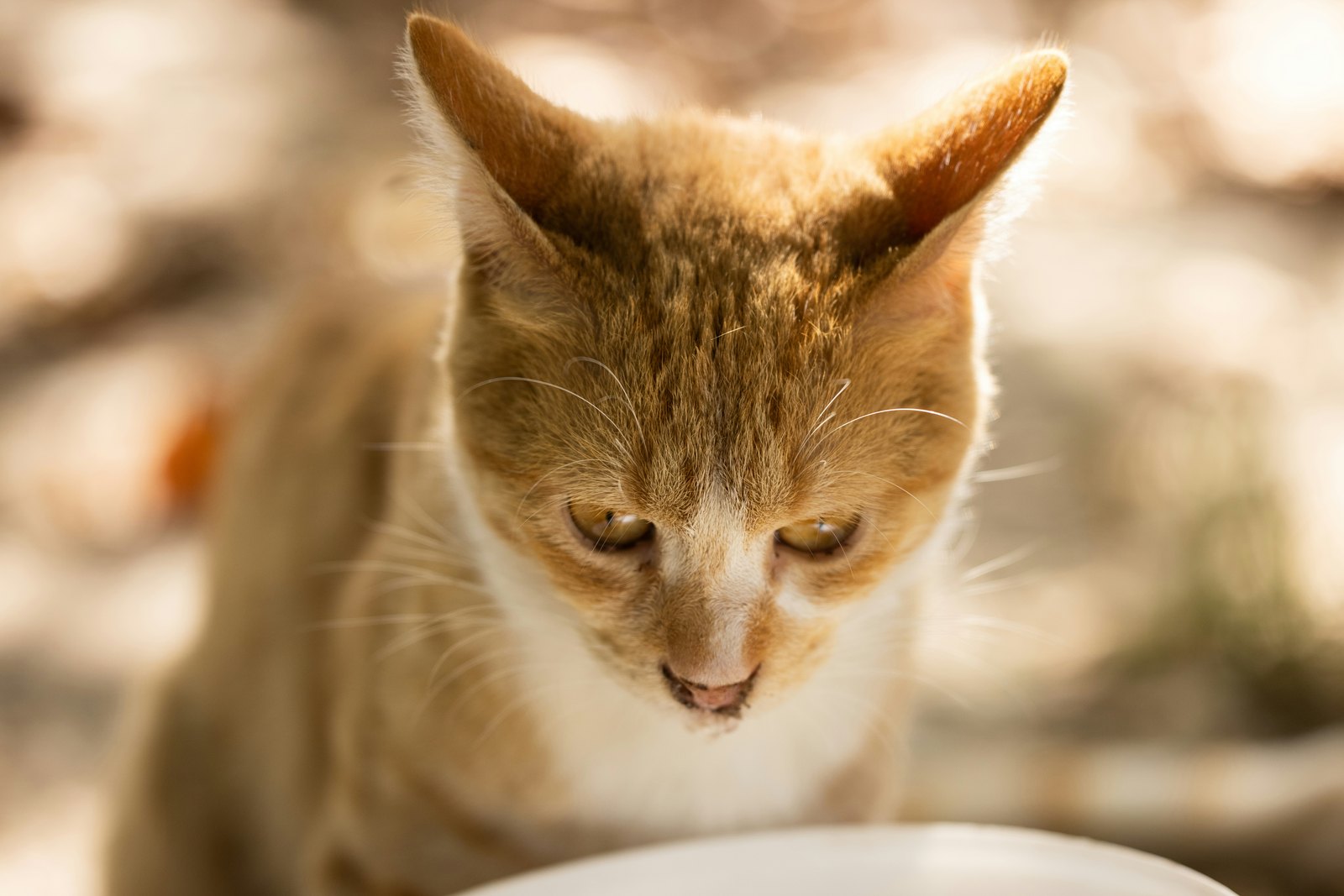 Lethargy, reduced appetite, or labored breathing tend to show up only once the heart is already struggling, not while the deficiency is first building. A commercial cat food carrying an AAFCO or FEDIAF complete-and-balanced statement is formulated and tested to include adequate taurine. A vegan, vegetarian, or homemade diet built without that same formulation and without supplementation routinely falls short, even when the recipe looks reasonable on paper.
The actual fix: check the label before the ethics
Never feed a cat a vegan or vegetarian diet — commercial or homemade — that doesn't explicitly state it meets AAFCO or FEDIAF complete-and-balanced standards for the cat's life stage. If you have ethical or environmental concerns about meat-based cat food, talk to your vet about the options that actually exist today, rather than assuming a plant-based recipe found online is safe. Watch for early signs of heart trouble — reduced energy, exercise intolerance, faster or labored breathing, or coughing — and mention any non-standard diet at every checkup, not just when something seems wrong. If DCM caused by taurine deficiency is caught early, supplementation combined with veterinary care can reverse much of the heart damage over a few months, but retinal damage from taurine deficiency doesn't reliably reverse — catching this before symptoms is what actually protects the cat.
FAQ
Can a cat get enough taurine from a well-formulated commercial diet? Yes — reputable commercial cat foods, whether meat-based or specially formulated, are tested for adequate taurine as part of meeting AAFCO/FEDIAF standards.
Are dogs at the same risk from a vegan diet? Less so — dogs can synthesize some taurine on their own, though a poorly formulated diet can still cause other deficiencies, so the same AAFCO/FEDIAF-checking principle still applies.
The next time someone recommends a plant-based cat food, ask to see the AAFCO or FEDIAF adequacy statement first — 'natural' or 'plant-based' on the label says nothing about whether taurine needs are actually met. Talk to your vet before switching a cat to any vegan, vegetarian, or homemade diet, and bring it up at routine checkups even if the cat seems fine, since taurine-related heart and eye damage can be underway well before obvious symptoms appear.
Related articles
 4 min read0 views
4 Things to Know Before You Give Your Cat Milk
The saucer-of-milk image is everywhere, but most adult cats can't digest it well. Here's the actual biology, and what to give instead.
 5 min read1 views
Wet vs. Dry Cat Food: It's Really About Hydration
Dry food isn't inferior and wet food isn't automatically better — the real difference is moisture content, and it matters for your cat's urinary health.
 5 min read0 views