5 Real Reasons Dogs Dig (It's Not Spite)
A dug-up yard looks like defiance, but dogs dig for five distinct reasons. Here's how to tell which one you're dealing with and what actually fixes it.
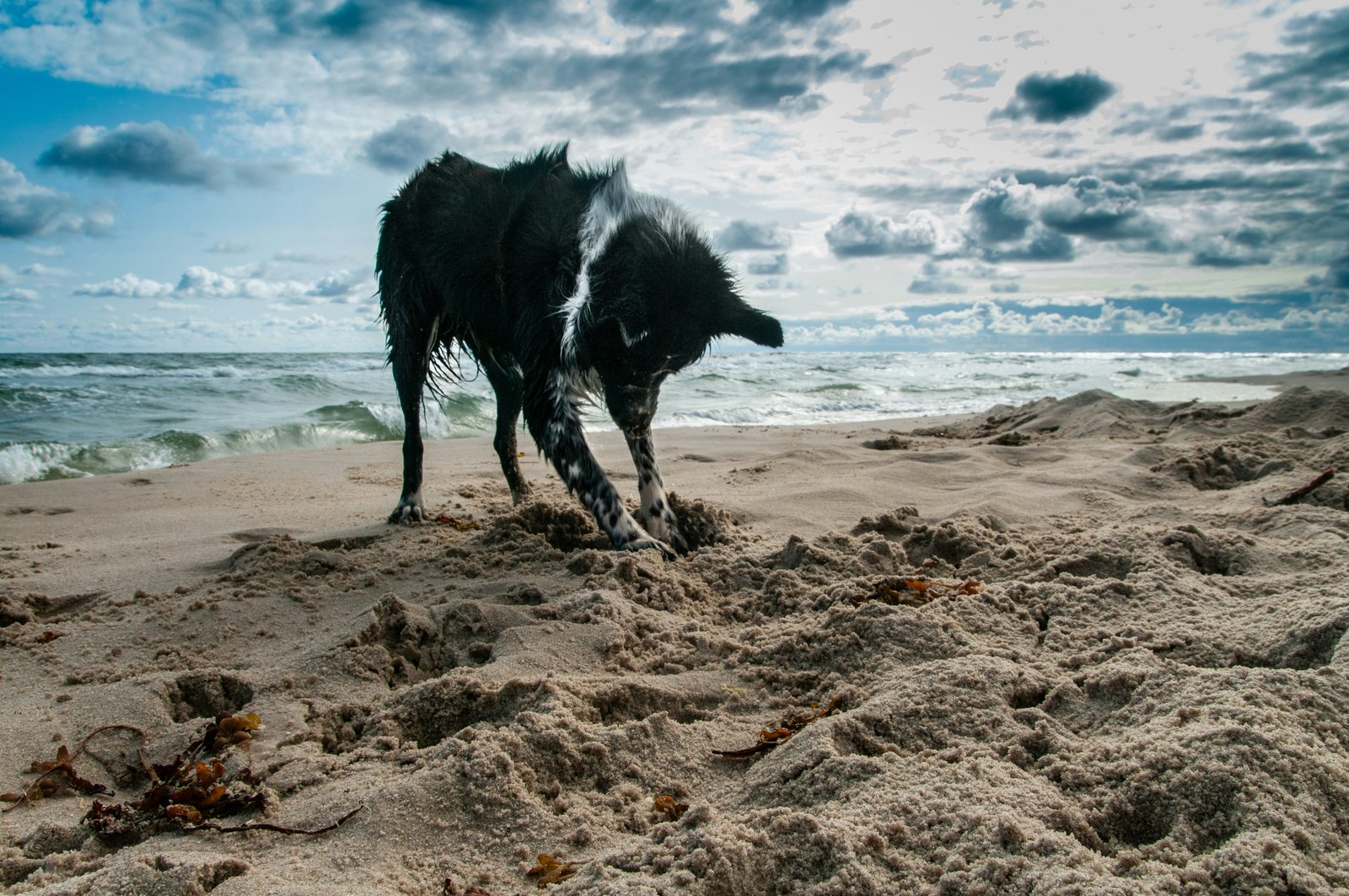
A fresh crater in the flower bed reads like an act of rebellion — proof the dog knew better and did it anyway. It's tempting to march outside and scold whoever is standing proudly in the middle of it. But digging is one of the oldest, most functional behaviors a dog has, and it's driven by at least five genuinely different causes — which means punishing it without figuring out which one you're dealing with usually just teaches the dog to dig somewhere you can't see.
The misconception: digging means defiance
A dug-up yard looks personal, like the dog is testing boundaries the way a toddler might. But dogs didn't invent digging to annoy their owners — it's an old survival behavior that predates domestication by a long way. Different dogs dig for different reasons, and a fix that works perfectly for one dog can completely miss the point for another.
Why it's more complicated: five different triggers, five different fixes
Thermoregulation is one of the most overlooked. The soil just a few inches down is noticeably cooler than the surface, and a dog overheated on a summer afternoon may dig a shallow pit specifically to lie in that cooler layer — no amount of obedience training fixes a dog that's just trying to cool off.
Denning instinct runs deep in certain breeds. Wild canine ancestors dug to build shelter, store food, and hide vulnerable pups, and that instinct is strongest today in dogs bred specifically for underground work — terriers, Dachshunds, and other earth-dogs in particular — even generations removed from an actual den.
Boredom is the most common everyday driver. A dog without enough physical exercise or mental stimulation will often invent its own project, and a stretch of soft dirt is an easy, self-rewarding one that requires no permission. 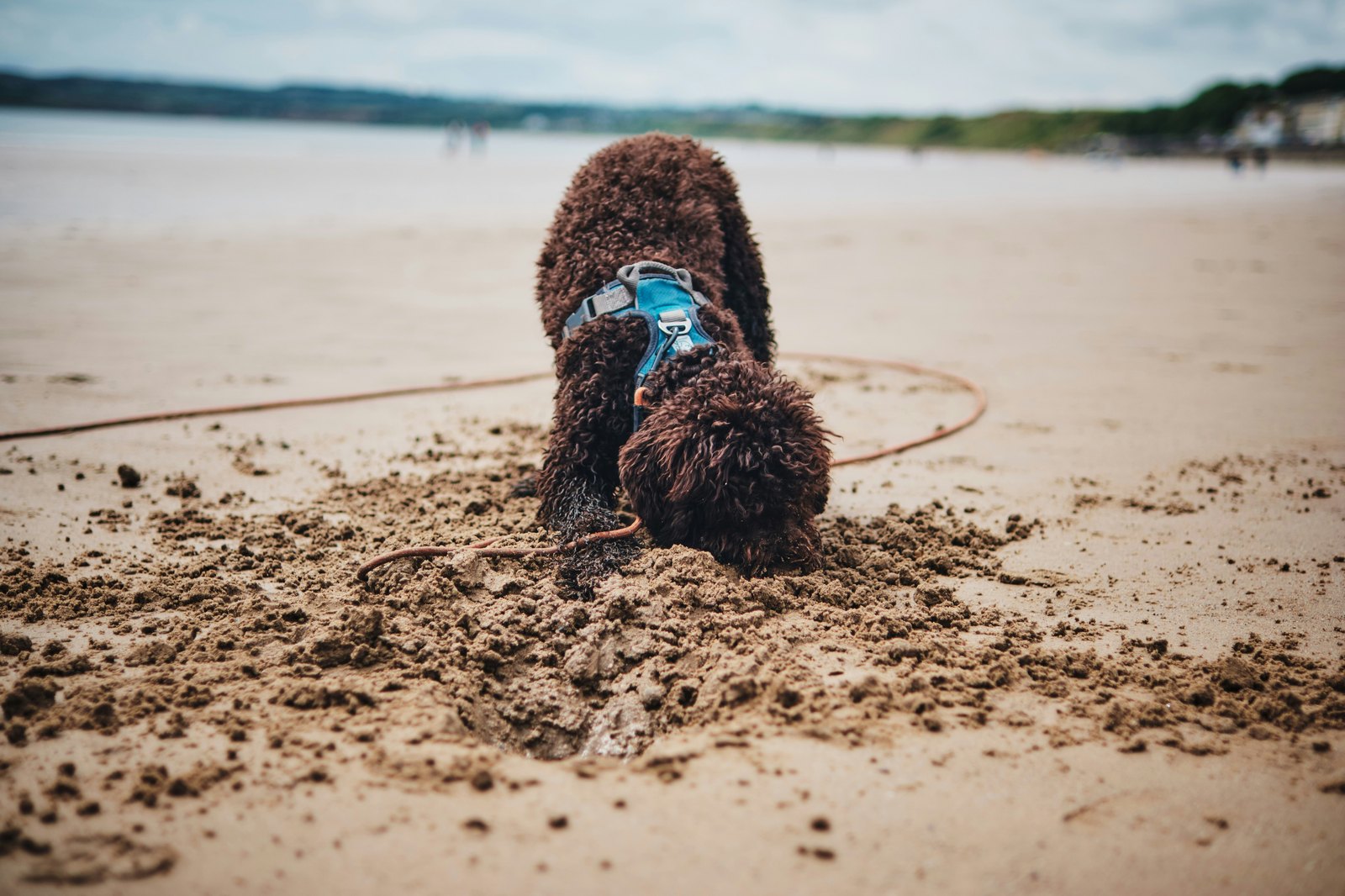 Prey pursuit and escape round out the list: a dog that hears or smells something moving underground may dig to reach it, while digging concentrated along the fence line is usually about getting out, not entertainment.
The actual fix: match the response to the reason
Before buying anything, spend a few days simply watching the pattern — where the digging happens (shady spot, fence line, random patches) and when (hot afternoons, only when left alone, after an unusually low-activity day). For heat-driven digging, provide shade, a cooling mat, and water, and move outdoor time to cooler hours. For instinct or boredom-driven digging, give the dog a legal outlet — a sandbox or designated pit with toys buried in it — plus more exercise and food puzzles the rest of the day. For escape-driven digging along a fence, reinforce the barrier at ground level and treat it as a containment problem, not a training one. In every case, redirect calmly to the legal spot rather than scolding after the fact — a dog can't connect a correction minutes later to a hole it dug earlier.
FAQ
Will filling in the hole stop the digging? Usually not by itself — if the underlying driver (heat, boredom, instinct) isn't addressed, the dog will simply dig again, often in the same spot.
Are some breeds impossible to stop from digging entirely? Breeds bred for earth work may never fully lose the urge, but redirecting it to an approved spot works with the instinct instead of fighting it.
Match the fix to the actual reason, and most digging stops being a mystery. If digging shows up suddenly alongside other signs of distress — pacing, drooling, destructive behavior only when left alone, or repetitive digging at the same spot until paws are raw — talk to your vet or a certified dog behaviorist, since that pattern can point to separation anxiety or a compulsive disorder rather than ordinary digging.
Related articles
 4 min read2 views
5 Signs Your Dog's Mess Is Separation Anxiety, Not Spite
Chewed doorframes and accidents while you're out often get read as revenge. Here's what separation anxiety actually is, and the graduated approach that helps.
 4 min read3 views
Dog Resource Guarding Isn't About Dominance
A growling dog over food isn't asserting dominance. Here's the real anxiety behind resource guarding and the counterconditioning fix that works.
 4 min read1 views