Why Do So Many Pets Have Anal Gland Issues Owners Miss?
Scooting across the carpet gets treated as a funny quirk, but it's usually a signal. Here's why anal gland issues are more common than most owners realize.
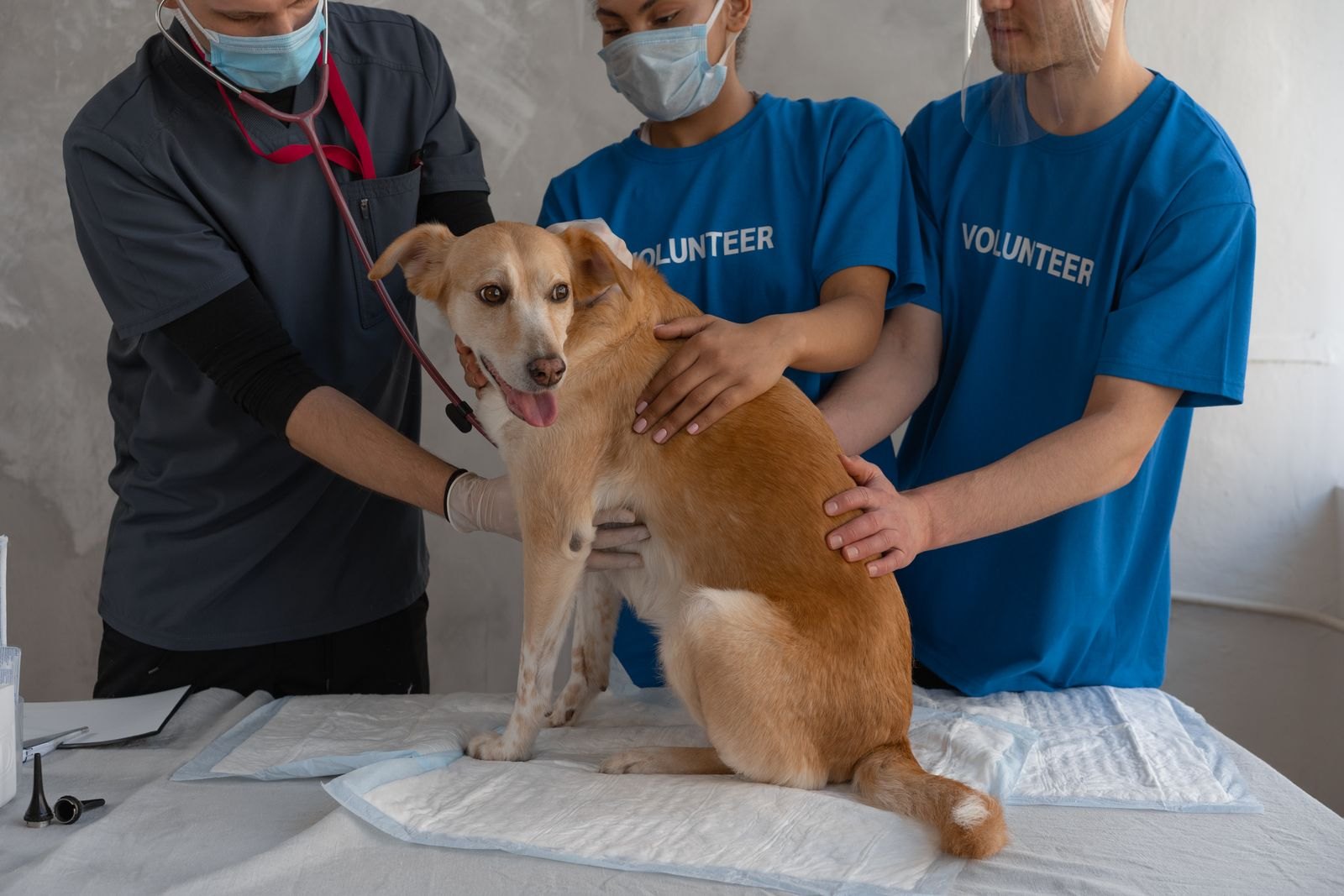
You've heard the phrase “scooting across the carpet” as a joke about dogs for years — a running gag in cartoons and casual conversation about an embarrassing quirk certain dogs have. It's funny until it's your own dog doing it on your living room rug, and the reason behind it is far more common than most owners ever realize, affecting a large share of dogs and some cats at some point in their lives.
The misconception: this is rare, or just an odd small-dog quirk
Because it's rarely discussed outside of jokes, owners tend to assume anal gland problems are unusual, embarrassing outliers, or something that only affects a handful of small toy breeds occasionally. That's not what vets actually see in practice — anal gland impaction and irritation are among the most routine hygiene topics that come up at general checkups, cutting across breeds and sizes far more broadly than the “odd small dog” stereotype suggests. It's common enough that many vets ask about it as a standard checkup question, the same way they'd ask about appetite or litter box habits.
Why it's actually happening: glands that don't empty on their own
Every dog and cat has a pair of small glands just inside the anus that normally express a small amount of scent-marking fluid on their own during firm, well-formed bowel movements — the pressure of normal, solid stool naturally squeezes them empty as part of a completely ordinary bathroom trip. Soft stool, low-fiber diets, or loose bowel movements don't generate that same pressure, so the glands don't empty the way they're supposed to.
When glands don't empty naturally over time, the fluid inside thickens and builds up — this is impaction, and it's uncomfortable. A pet with impacted glands will often scoot across the floor, lick or bite at the area, or seem generally irritated back there, all fairly direct signals that something's building up and needs to come out. Left unaddressed, an impaction can progress to infection or, in more serious cases, an abscess that requires more involved veterinary treatment. Some individual pets — often smaller breeds and overweight pets whose gland or duct anatomy is more prone to poor natural drainage — deal with this more frequently than others regardless of diet, which is part of why it can feel like a random, recurring annoyance rather than something with an identifiable cause.
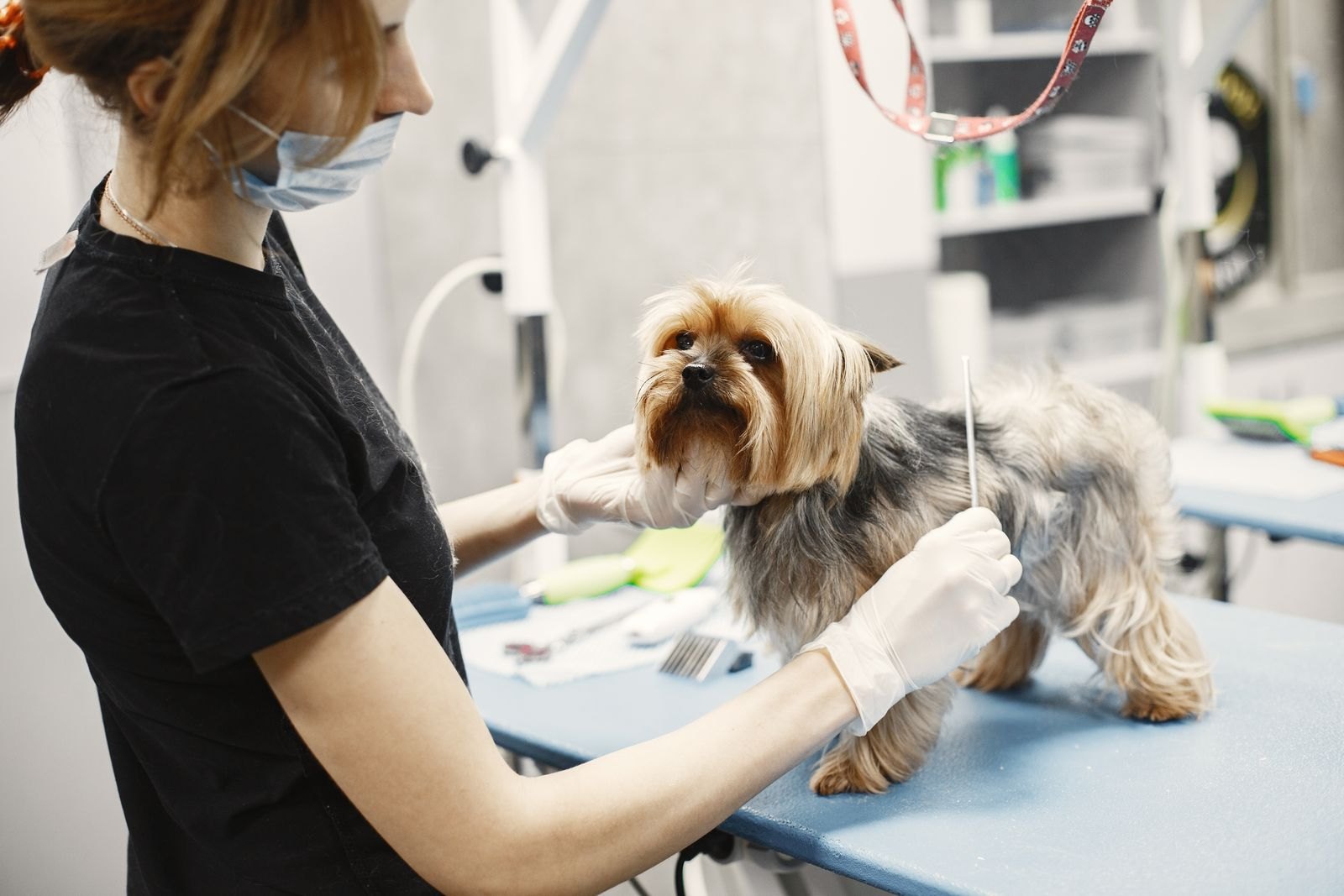
The actual fix: firmer stool first, expression when needed
Because firm stool is what naturally empties the glands, a higher-fiber diet or a fiber supplement is often the simplest first step — it mechanically helps glands express on their own during normal bowel movements, addressing the root mechanism rather than just managing symptoms after the fact. For pets who still struggle despite firmer stool, manual expression by a vet or a trained groomer is the appropriate next step for recurring cases.
- Add fiber — a higher-fiber diet or fiber supplement firms stool, which helps glands express naturally during normal bowel movements.
- Manual expression by a vet or trained groomer is appropriate for recurring impaction, but frequent unnecessary expression can actually irritate the glands over time — this isn't a routine grooming step for every pet.
- Watch for scooting, excessive licking near the tail base, or a sudden strong odor as the signals that something needs attention.
- Weight management matters too, since overweight pets are more prone to poor natural gland drainage regardless of diet fiber content.
FAQ
Should I ask the groomer to express my pet's glands every visit as routine maintenance?
Not automatically — for pets who don't have recurring issues, unnecessary frequent expression can actually irritate the glands rather than help. It's better reserved for pets with an established pattern of impaction.
How can I tell if it's just irritation or something more serious like an infection?
Swelling, redness, blood, a foul odor beyond the usual scent-gland smell, or visible pain when the area is touched are signs it's moved past simple impaction — that combination warrants a prompt vet visit rather than home management.
So here's a question worth actually answering rather than brushing off as a joke: has your pet been scooting or licking back there more than usual lately, and have you actually looked into why? Scooting isn't just a funny quirk — it's usually a direct signal from glands that aren't emptying on their own. Recurring scooting, licking, swelling near the tail base, or a sudden strong odor are worth a prompt vet visit to rule out infection or an abscess.
Related articles
 4 min read0 views
Your Dog's Floppy Ears Are Secretly Fueling Ear Infections
Floppy ears aren't just cute — they trap moisture and set up recurring infections. Here's the real mechanism, and the cleaning technique that actually helps.
 5 min read0 views
Why Do Mats Turn Into Skin Infections in Dogs and Cats?
A matted coat isn't just a cosmetic tangle. It traps moisture against the skin, causes real pain, and can lead to infection. Here's the mechanism, and the fix.
 6 min read0 views