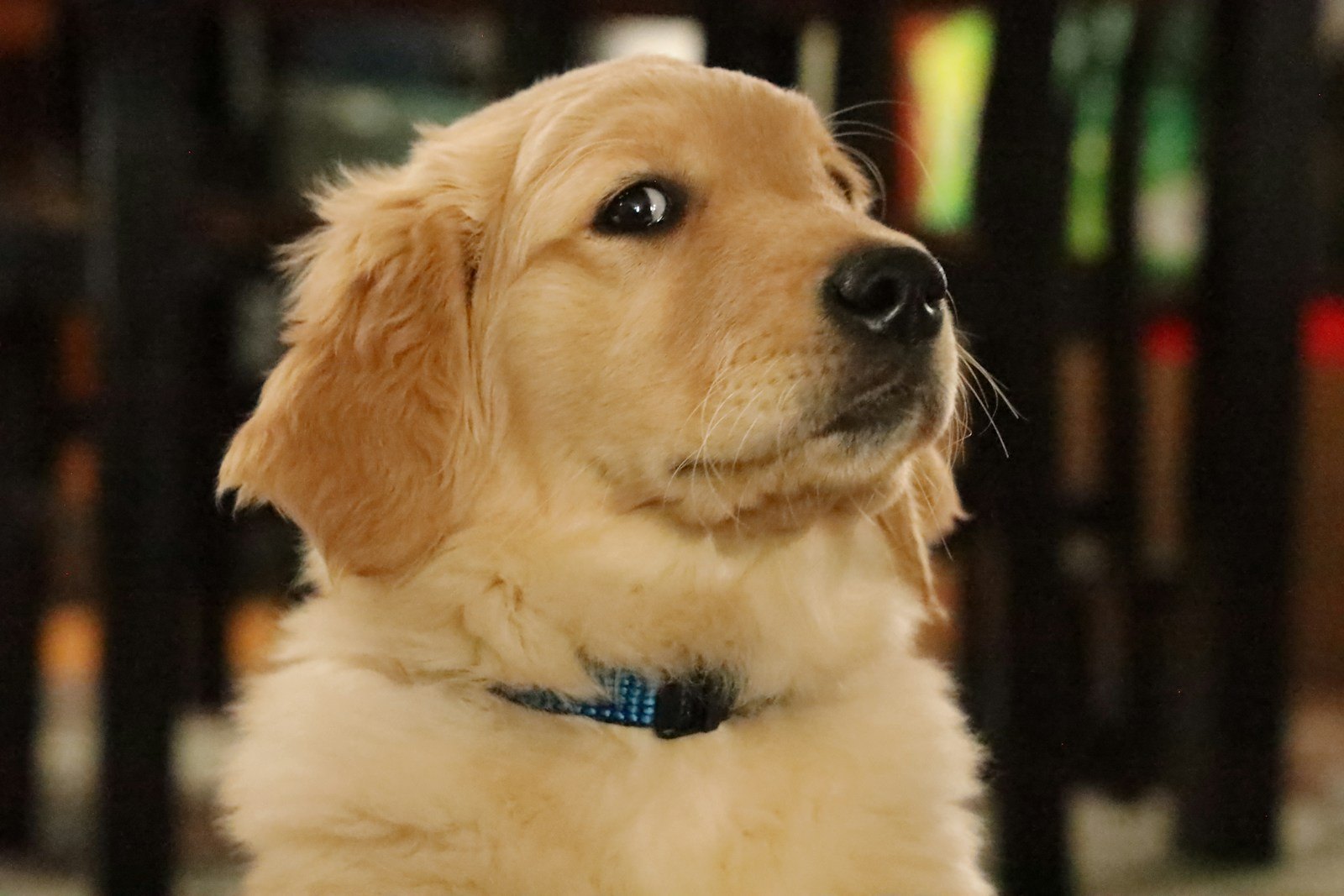
Your Dog's Floppy Ears Are Secretly Fueling Ear Infections
Floppy ears aren't just cute — they trap moisture and set up recurring infections. Here's the real mechanism, and the cleaning technique that actually helps.
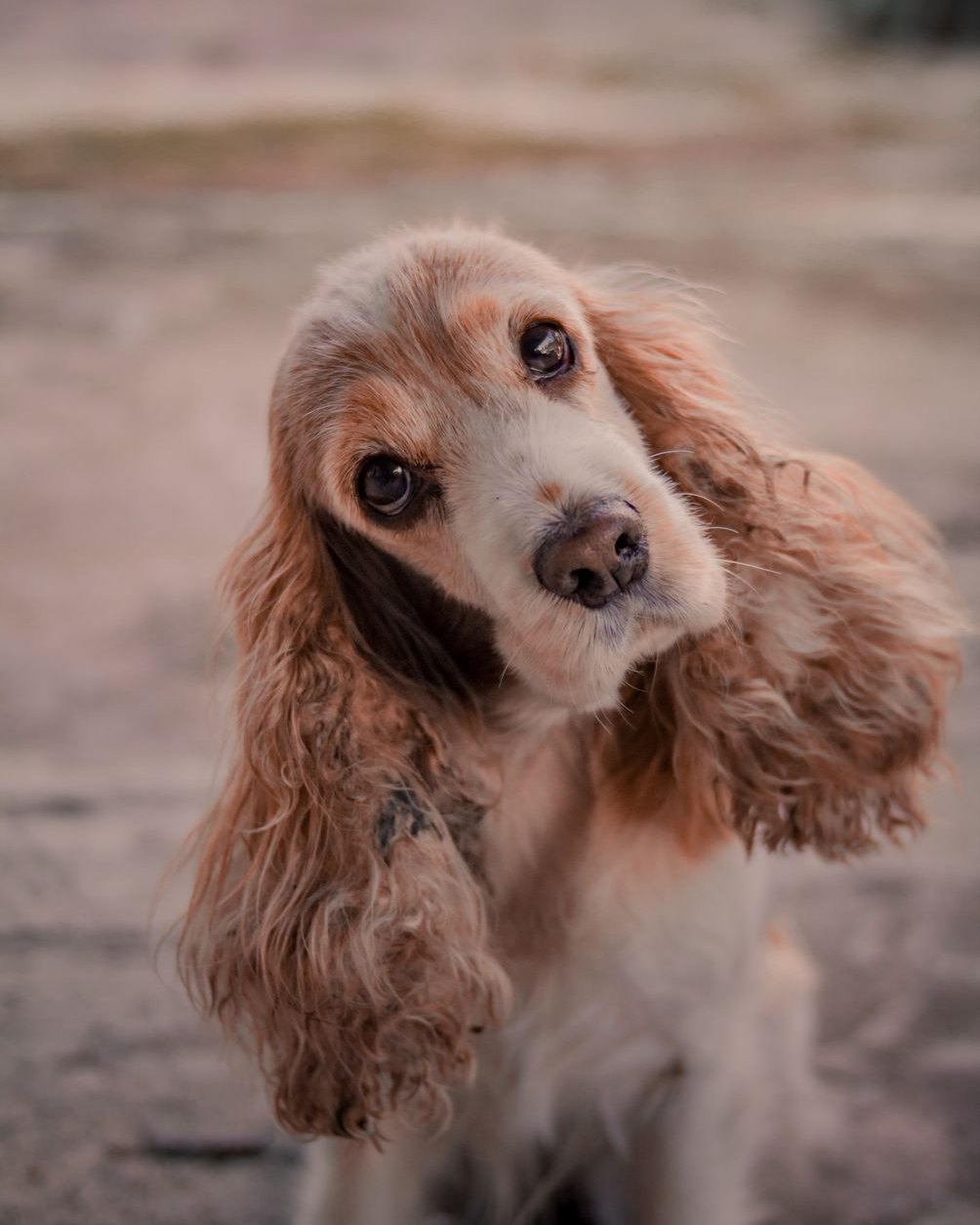
If your dog has had more than one ear infection, it can feel like bad luck — a bit of pool water, a rainy walk, and suddenly there's head shaking and a smell you can't quite place. For a lot of dogs, especially the floppy-eared kind, it's not random at all. Ear shape itself is doing a lot of the work here, and that means the fix is less about avoiding water entirely and more about a cleaning routine matched to the actual risk.
The misconception: it's just bad luck, or only a swimming problem
Ear infections can feel like they come out of nowhere, and swimming is an easy thing to blame because it's the moment moisture obviously enters the ear. But for a lot of dogs, the real driver is something structural, not a single event — which is why the same dog can get repeat infections even with careful post-swim drying. The other common assumption is that a cotton swab, the obvious tool for cleaning ears on ourselves, is the right tool here too. It isn't, and using one is often part of how a minor issue turns into a worse one.
Why it's actually the ear shape, not the water
Breeds with long, floppy ears — cocker spaniels, basset hounds, beagles, and poodles among them — get diagnosed with otitis externa (inflammation of the outer ear canal) more often than upright-eared breeds, and the mechanism is straightforward: the ear flap covers the canal opening and blocks normal airflow. Less airflow means the canal stays warmer and more humid than it would otherwise, and that warm, moist environment is exactly what bacteria and yeast need to multiply. Swimming and bathing add moisture on top of that baseline risk, and a buildup of ear wax makes it worse by trapping whatever moisture is already there instead of letting it evaporate out.
Cotton swabs make sense on paper — get in there, clean it out — but the shape of a dog's ear canal (an L-shaped bend, unlike the straighter human canal) means a swab is more likely to push wax and debris further down and pack it against the eardrum than to actually remove it. There's also a real risk of physically damaging the eardrum. The tool that feels like the obvious fix is, for this specific anatomy, part of the problem.
The actual fix: solution, massage, wipe — never a swab
- Use a vet-approved dog ear cleaning solution, not water or a homemade mixture, and follow the product's instructions for how much to use.
- Massage the base of the ear (where it meets the head) for 20 to 30 seconds after applying the solution — this loosens debris from inside the canal rather than just coating the surface.
- Let your dog shake its head. This is doing real work, not just an incidental step — the shake brings loosened wax and debris up and out where you can actually remove it.
- Wipe with a cotton ball or gauze, only as far as a finger comfortably reaches — roughly one knuckle in. Never insert anything, cotton swab included, further into the canal than that.
How often this needs to happen depends on the individual dog — a floppy-eared retriever who swims every weekend needs a different schedule than a short-haired dog with upright ears who rarely gets wet. If you're not sure where your dog falls, ask your vet for a frequency recommendation specific to their ears rather than defaulting to a generic weekly or monthly routine.
FAQ
Can I just use water instead of a cleaning solution?
Plain water doesn't have the same wax-dissolving and drying properties that purpose-made ear cleaners do, and in some cases can leave the canal more moist afterward, not less — which works against what you're trying to accomplish.
My dog hates having their ears touched — what then?
Short, calm sessions with treats paired to the process (not just at the end) tend to work better than trying to push through resistance in one long session. If your dog is reacting with obvious pain rather than just dislike of handling, that's a sign to get the ear checked before continuing to clean it yourself.
Head shaking, a foul or musty odor, redness, swelling, or dark discharge are signs of an active infection, not something a home cleaning routine will resolve on its own — that combination needs a vet visit and prescription treatment. If cleaning an ear seems to cause your dog real pain, that's also worth having a vet look at before you continue, since an already-infected ear can make even gentle cleaning uncomfortable.
Related articles
 4 min read4 views
Grain-Free Dog Food Isn't the Heart-Safe Bet It Sounds Like
Grain-free dog food isn't automatically heart-healthy. Here's what the FDA's DCM investigation actually found, and how to judge a diet by more than its label.
 5 min read2 views
Why Are Chocolate and Grapes So Dangerous for Dogs?
A dropped grape or square of chocolate looks harmless, but for dogs both can trigger a real toxicology emergency, fast, not just an upset stomach.