Why Human Shampoo Isn't Safe for Dogs and Cats
Baby shampoo feels like a harmless bath-day backup, but pet skin sits at a different pH than ours. Here's why that swap causes real, cumulative skin damage.
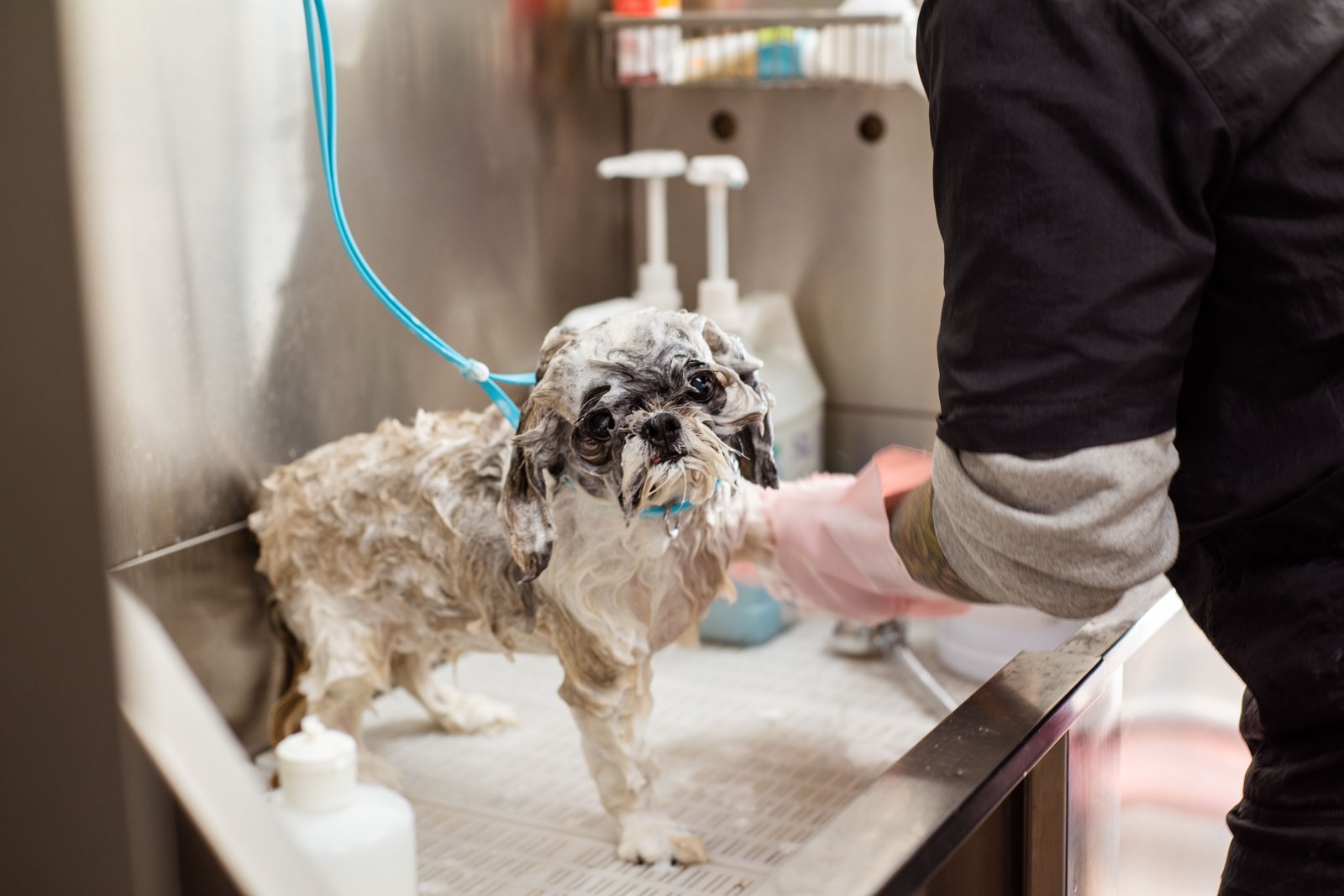
You're out of pet shampoo, bath day is already underway, and there's a bottle of baby shampoo sitting right there in the cabinet. It seems like a reasonable swap — gentle enough for a newborn's scalp should be more than gentle enough for a dog or cat, right? That logic holds up on human skin, but it doesn't transfer to animal skin at all, and the mismatch does real, cumulative damage.
The misconception: mild is mild, no matter whose skin it's on
Owners reach for baby shampoo, a "no tears" formula, or even a dab of dish soap in a pinch, reasoning that it's still soap — it still lathers, it still rinses the dirt away, and it's marketed as gentle. That reasoning treats "gentle" as a universal property of the product, when it's actually a property of the match between the product and the specific skin it was formulated for.
Why it's actually happening: two different skin chemistries
Human skin sits at an acidic pH, roughly 4.5 to 5.5, protected by a thin acid mantle — a film of oils and skin-cell byproducts that keeps harmful bacteria and yeast from taking hold. Dog and cat skin sits much closer to neutral, commonly cited in the 6.2 to 7.5 range, supporting an entirely different resident microbial balance suited to that chemistry.
A shampoo formulated for the acidic human range strips away a pet's own protective oils and disrupts that barrier. One bath rarely causes visible damage — the harm compounds with repeated use, eventually showing up as dry, flaky skin, persistent itching, and a surface that's more hospitable to bacterial or yeast overgrowth than it should be.
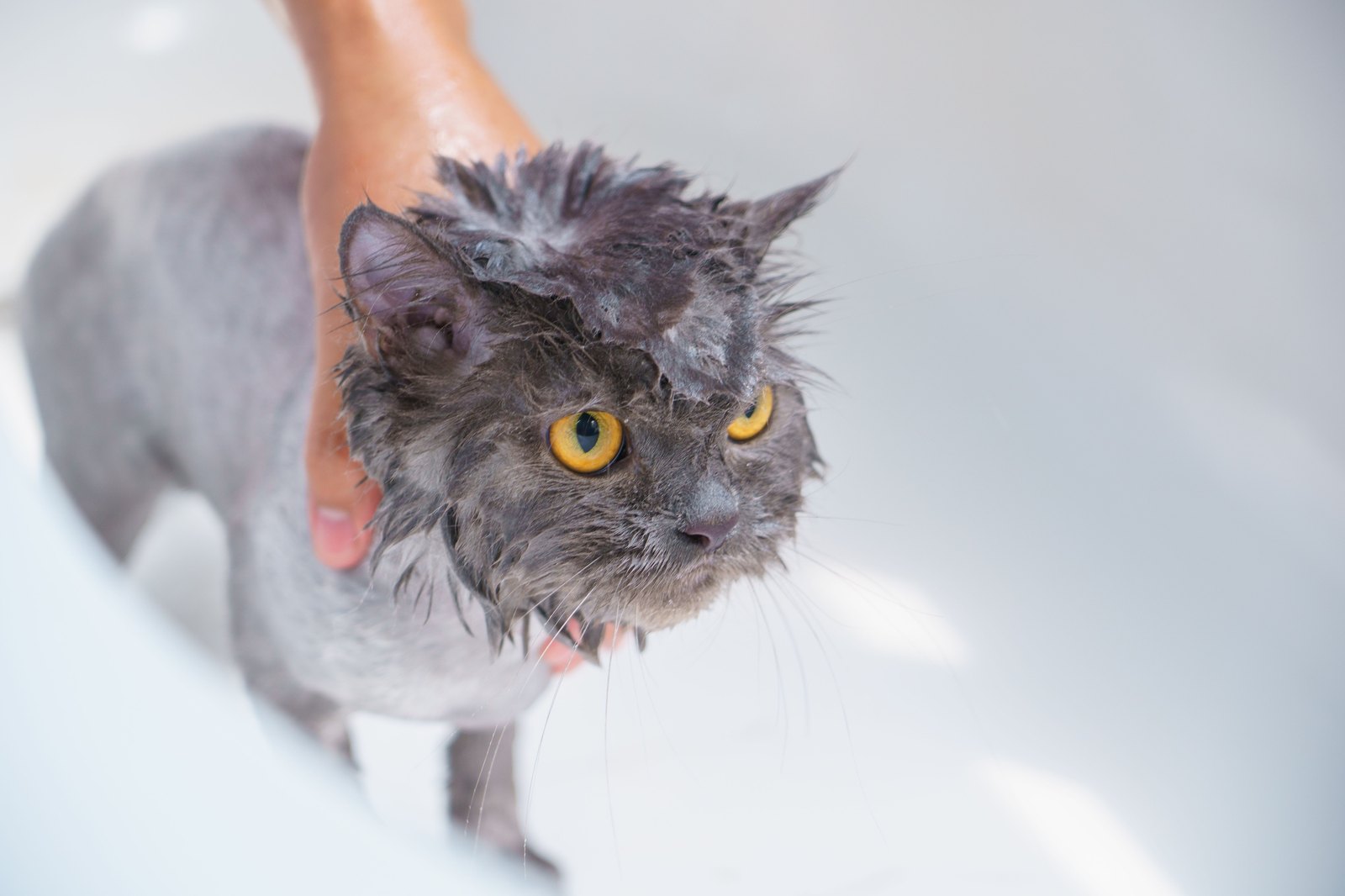
Cats add a second layer of risk on top of the pH mismatch: they groom themselves by licking, so any shampoo residue left in the coat gets ingested rather than just sitting on the skin. And cross-using dog shampoo on a cat isn't a safe workaround either — some ingredients considered fine on a dog-labeled product, including certain essential oils and some flea-control actives, are genuinely toxic to cats.
The actual fix: match the bottle to the species
Keep a species-specific, pH-balanced shampoo on hand — a dog formula for dogs, a cat formula for cats — rather than reaching for whatever's already sitting in the shower when you run out. Rinse thoroughly afterward, since leftover residue is what keeps irritating skin even after the bath itself is technically over.
- Match the label — if it doesn't say it's formulated for dogs or cats specifically, it's the wrong bottle for bath day, no matter how mild the marketing sounds.
- Rinse until the water runs completely clear, not just until the visible suds are gone.
- Don't share a bottle between species — a dog shampoo on a cat carries its own separate risk beyond simple pH mismatch.
- If skin still looks irritated after switching products, the cause has likely moved past shampoo choice entirely.
FAQ
Is one accidental bath with human shampoo going to hurt my pet?
A single bath is unlikely to cause lasting harm — the real damage comes from repeated, habitual use over weeks or months, not a one-time emergency substitution.
Can I use baby shampoo specifically, since it's marketed as extra gentle?
No — "gentle" on a baby shampoo label still refers to human skin's acidic pH range, not a dog or cat's more neutral skin chemistry, so the same mismatch applies.
So here's the question worth checking before your next bath day: does the bottle in your hand actually say it's formulated for your pet's species, or are you reaching for whatever's closest? "Gentle" on the label doesn't mean matched to your pet's skin — pH is the part that actually matters. If your pet's skin stays flaky, red, or itchy for more than a week or two after switching to a proper pet shampoo, that's worth a vet visit rather than trying yet another product.
Related articles
 4 min read1 views
Your Dog's Floppy Ears Are Secretly Fueling Ear Infections
Floppy ears aren't just cute — they trap moisture and set up recurring infections. Here's the real mechanism, and the cleaning technique that actually helps.
 5 min read0 views
Why Do Mats Turn Into Skin Infections in Dogs and Cats?
A matted coat isn't just a cosmetic tangle. It traps moisture against the skin, causes real pain, and can lead to infection. Here's the mechanism, and the fix.
