Intermittent Limping Isn't Nothing Just Because It Stops
Your dog limped for a day, then seemed fine. Here's why intermittent limping still deserves a vet visit, even when it resolves on its own before you get there.
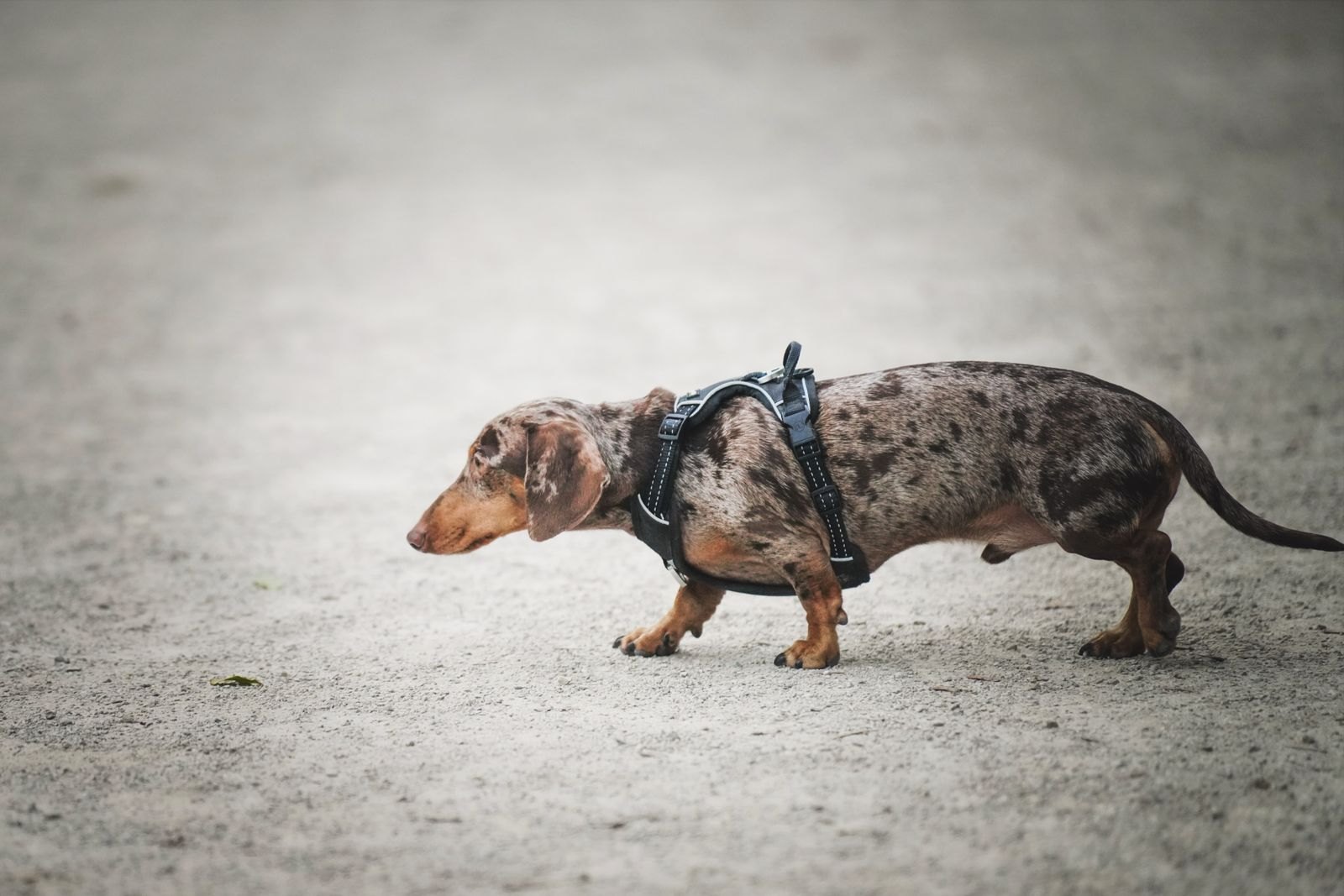
Your dog favored a back leg for one entire walk, hopping a little on the stairs that evening — and then the next morning, completely normal, running around like nothing happened. It stopped on its own, so it must not have been serious, right? Intermittent limping doesn't actually work that simply, and 'it went away' is not the same thing as 'it wasn't serious.'
The misconception: limping that resolves confirms it was minor
It's an intuitive read — a limp that disappears feels like proof the underlying issue disappeared with it, maybe a small stone in a paw pad or a muscle tweak that worked itself out overnight. Sometimes that's exactly what happened. But intermittent limping is also the exact pattern that many real orthopedic conditions produce in their early stages, and a limp resolving by the next morning doesn't distinguish between a harmless tweak and the early phase of something that needs attention. This isn't about naming which condition it is — only a vet exam can do that — it's about why 'it stopped' can't be the deciding factor on its own.
Why it's actually happening: pain and inflammation fluctuate before they become constant
Several joint and soft-tissue conditions are known to cause pain intermittently long before becoming a constant limp — early-stage cruciate ligament laxity, a mild luxating kneecap, developing hip dysplasia, and early arthritis all commonly show up first as a limp that appears after exercise or after a long rest, then fades for days or weeks at a time. The pattern isn't random — inflammation and pain genuinely do fluctuate, worse after a hard run or after getting up from a long nap, better with rest or movement depending on the specific issue, well before the underlying joint problem becomes severe enough to cause a limp that never resolves.
Dogs and cats also mask pain instinctively — it's an evolutionary holdover that makes sense for an animal that doesn't want to look vulnerable. That means a limp that's visible one day and completely absent the next often reflects fluctuating pain tolerance and inflammation levels, not a fluctuating injury. The underlying joint or soft-tissue issue can be present and slowly progressing the entire time, even during the days it looks like nothing is wrong. Waiting for a limp to become constant and undeniable before acting effectively means waiting for a condition to progress past the window where it's most treatable — many orthopedic issues respond far better to intervention caught early than to the same condition addressed only once it's chronic.
The actual fix: track the pattern and bring it to a vet
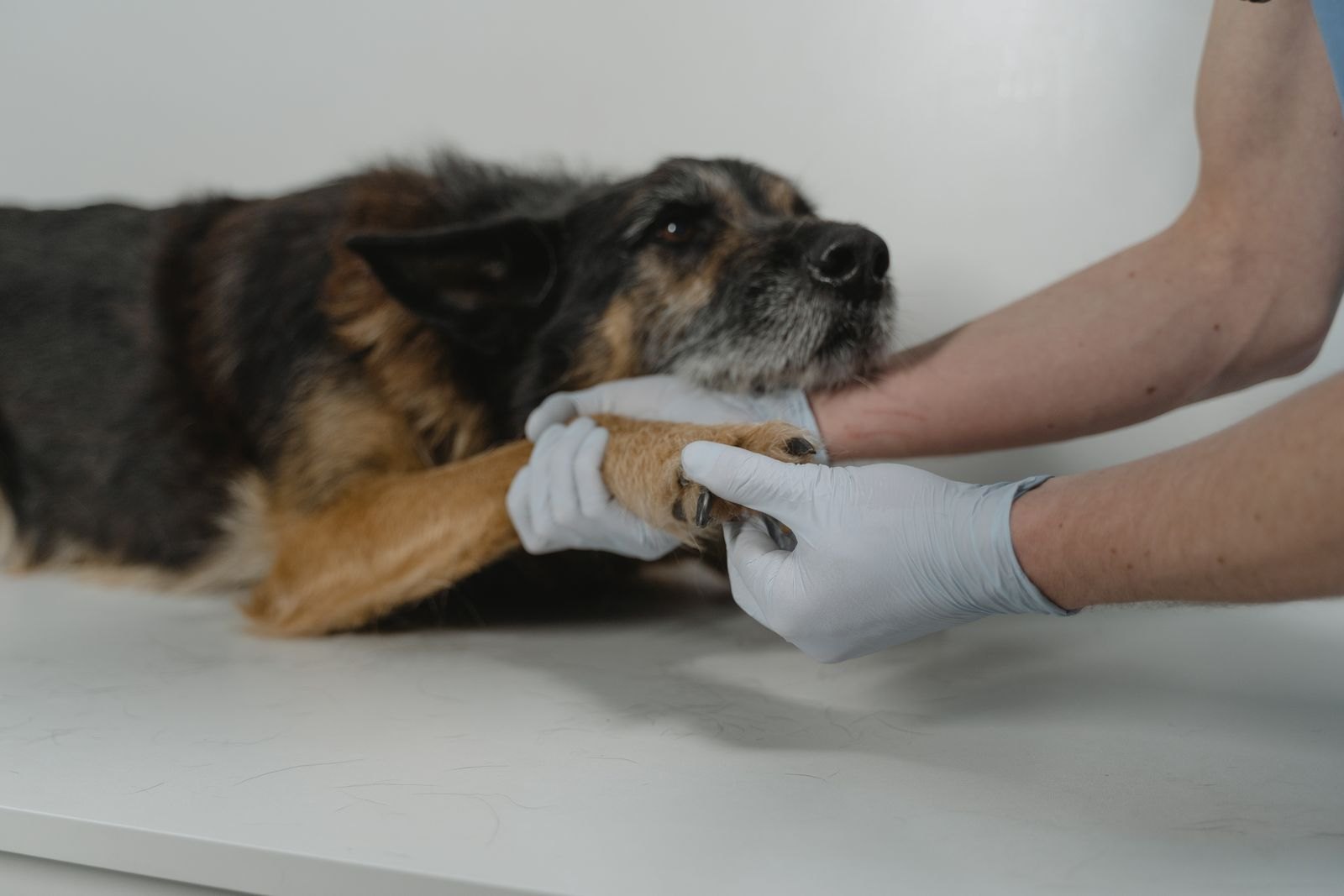
Because a single exam moment can miss what only shows up intermittently, the most useful thing an owner can do is log the pattern: the date, which leg, whether it followed exercise or a long rest, and how long it lasted. That log is genuinely useful diagnostic information for a vet, even if the limp isn't happening at the moment of the appointment — physical exam findings (joint laxity, pain on specific movements, muscle asymmetry) often reveal something a single snapshot of “is it limping right now” cannot.
- Keep a simple limping log — date, which leg, activity right before it started, and how long it lasted.
- Book a vet visit for recurring intermittent limping even if it's resolved by the appointment date; bring the log with you.
- Joint supplements and weight management support overall joint health, but they're not a substitute for diagnosing what's actually causing the limp first.
- Note whether the limp is worse after activity, worse after rest, or both — that distinction alone helps a vet narrow down likely causes.
FAQ
Should I just wait and see if it happens a third time before booking a vet visit?
You don't need to wait for a specific number of episodes. A pattern of two or more intermittent limping incidents, even weeks apart, is generally enough to warrant a vet exam rather than more waiting.
What if my dog seems completely normal by the time I can get an appointment?
That's common and still worth keeping the appointment — describe the pattern and bring your log. A vet can often find subtle exam findings even between visible limping episodes.
To recap what actually matters here: limping that comes and goes is still a signal worth tracking, not one that resolves itself just because it stops. Start a simple log now — date, which leg, what your pet was doing right before it started. Recurring intermittent limping, even if it's not happening right now, is worth a vet visit; bring your log, since a single exam moment often misses what a pattern reveals over time.
Related articles
 4 min read0 views
4 Reasons Kittens Need Different Food, Not Smaller Kibble
Kitten food isn't just adult cat food in a smaller crunch. Here's why growth-stage nutrition actually differs, and what to feed until your cat is grown.
 4 min read0 views
5 Signs Your Cat's Sleeping Has Crossed Into Too Much
Cats sleep most of the day, and that's usually normal. Here's how to tell when your cat's sleep amount has actually shifted into something worth watching.
 4 min read0 views