5 Signs Your Cat's Sleeping Has Crossed Into Too Much
Cats sleep most of the day, and that's usually normal. Here's how to tell when your cat's sleep amount has actually shifted into something worth watching.
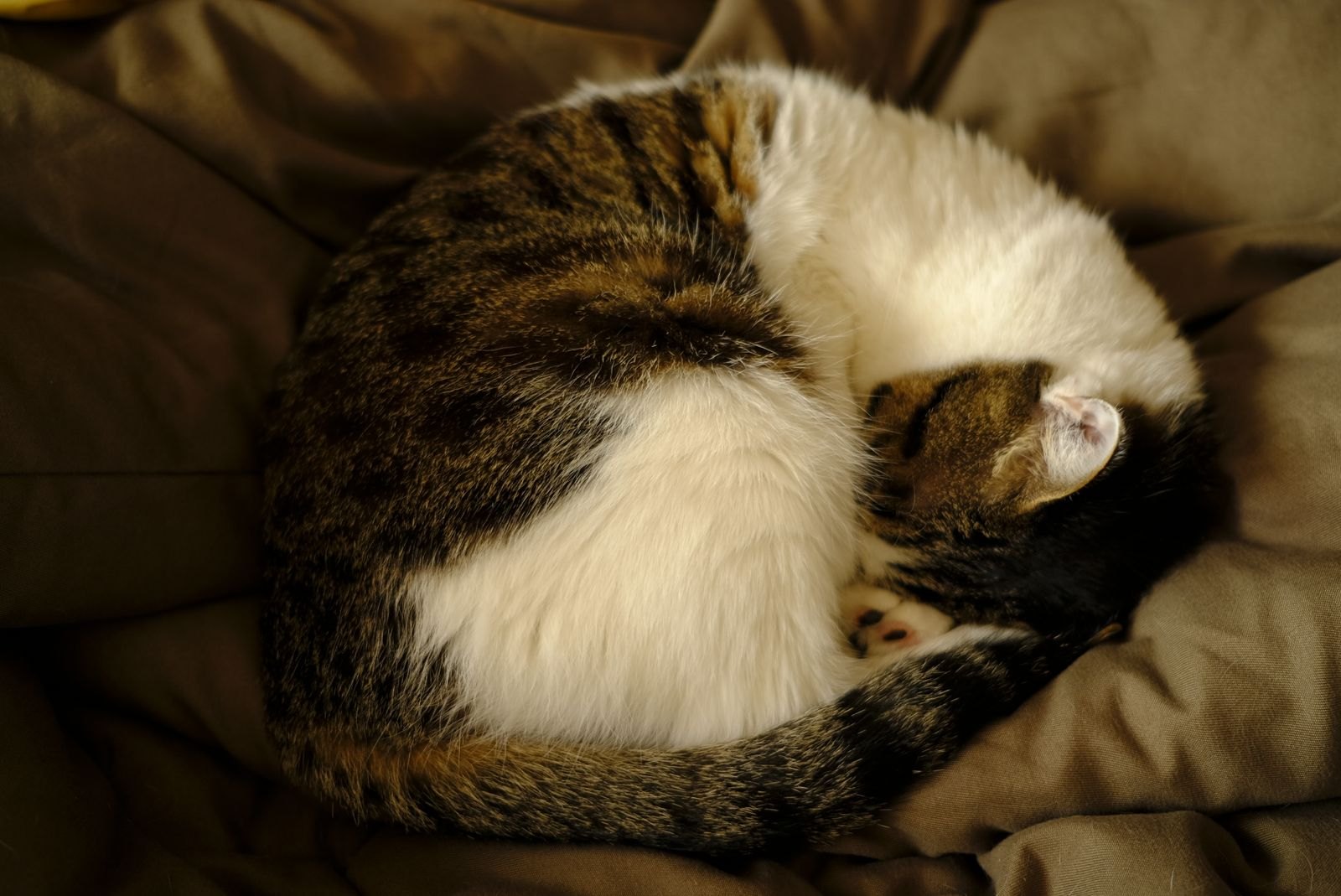
Your cat sleeps most of the day, curled up on the same three spots in rotation, and everyone tells you that's just what cats do — completely normal, nothing to think about. For the most part, that's true. But there's a real point where 'a cat being a cat' quietly becomes something else, and the sleep amount alone isn't always how you'd know.
The misconception: any amount of cat sleep is automatically normal
Cats have a well-earned reputation as champion sleepers, so owners reasonably assume that whatever amount their cat sleeps falls under that umbrella — if cats are famous for sleeping a lot, then a lot of sleep can't be a problem. Baseline heavy sleeping, in the 12-to-16-hour range, genuinely is normal and doesn't need explaining. But a real increase from a specific cat's own baseline, or certain signs alongside the sleep, isn't covered by “cats just sleep a lot” — it's a different situation that the general reputation doesn't account for.
Why it's actually happening: baseline biology versus a real shift
Cats are crepuscular, meaning they evolved to be most active at dawn and dusk with short, intense bursts of hunting behavior in between long stretches of rest — that pattern is a genuine, ancient energy-conservation strategy, not laziness. Twelve to sixteen hours of sleep in a day is normal biology for the species, full stop, and comparing your cat to a generic “cats sleep a lot” idea doesn't tell you much either way.
What actually matters is a real increase from that specific cat's own baseline. A jump in sleep can reflect pain that's easier to sleep through than move around with — arthritis and dental disease are common, easy-to-miss culprits in cats specifically, since cats mask discomfort well. It can also reflect an underlying illness: hyperthyroidism sometimes shows up as increased activity but can also present with lethargy in some cats, kidney disease commonly causes fatigue as it progresses, and anemia from various causes reduces energy directly. In some cases, a real increase in sleep and general withdrawal follows a stressful change — a move, a new pet, a lost companion animal — more like a depression-adjacent response than a medical illness on its own.
Because these increases happen gradually, owners often don't notice until the extra sleep is paired with something else — reduced interest in food, less enthusiasm for a favorite toy, more time hiding instead of on a usual perch. That combination is usually the real signal, more than the raw hours of sleep by themselves.
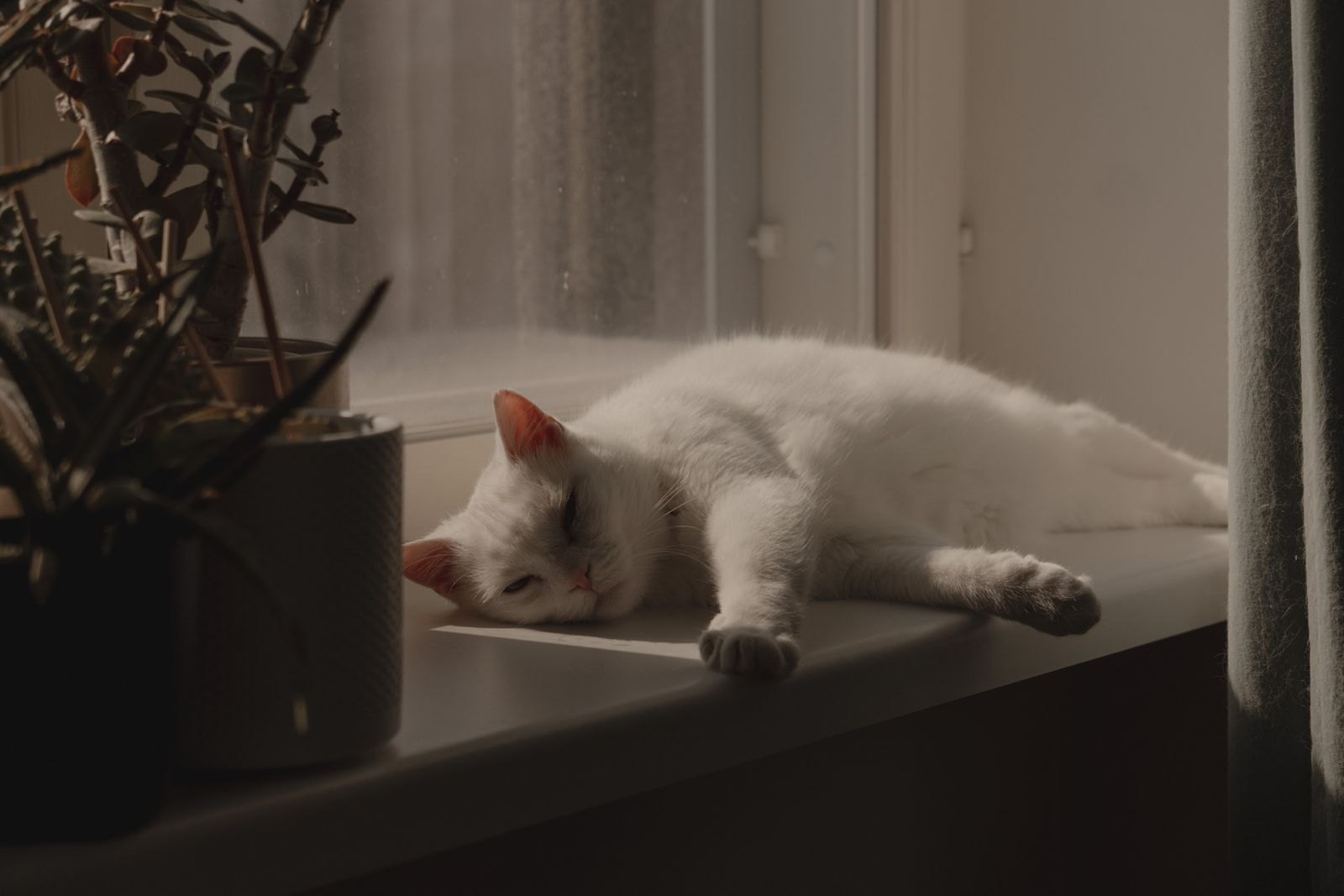
The actual fix: track your cat's own baseline, not a generic number
Instead of measuring against a general rule, pay attention to what's normal for your specific cat and note any real shift that holds for weeks, not just a day or two after a late night or a change in weather. Sleep changes paired with other shifts — appetite, litter box habits, grooming, or hiding — carry far more weight than sleep amount judged alone. It's also worth ruling out simple under-stimulation first: a cat with little daytime enrichment may sleep more out of boredom than illness, so adding interactive play sessions is a reasonable first step before assuming something medical.
- Track your own cat's baseline over a couple of weeks rather than comparing to a generic “cats sleep a lot” number.
- Watch for sleep increases alongside appetite changes, less interest in play, altered grooming, or more hiding.
- Add daily interactive play sessions to rule out simple under-stimulation before assuming a medical cause.
- A gradual, sustained shift over weeks is more meaningful than a day or two of extra sleep after a change in routine.
FAQ
My senior cat sleeps more than they used to — is that just normal aging?
Some increase with age is common, but a real, sustained jump is still worth mentioning at a vet visit — several of the medical causes above (kidney disease, arthritis, hyperthyroidism) become more common with age too, and only an exam can tell the difference.
How much of an increase actually counts as “too much”?
There's no single universal number — what matters is a real, sustained change from that specific cat's own normal, especially if it comes with other shifts like appetite or activity changes.
So here's a question worth actually sitting with rather than assuming an answer to: has your cat's sleep amount genuinely changed from what's normal for them, or does it just feel like a lot because you've started paying closer attention? A real, sustained increase in sleep — especially paired with appetite changes, less interest in play, or more hiding — is worth a vet visit rather than an assumption that it's just normal aging or “being a cat.”
Related articles
 4 min read0 views
Calming or Stressful? What Background Noise Does to Pets
Leaving the TV on for a home-alone pet feels helpful, but the sound type matters more than whether sound is playing at all. Here's what actually calms pets.
 4 min read4 views
Grain-Free Dog Food Isn't the Heart-Safe Bet It Sounds Like
Grain-free dog food isn't automatically heart-healthy. Here's what the FDA's DCM investigation actually found, and how to judge a diet by more than its label.
 5 min read2 views