Bathing Your Cat More Isn't Cleaner — It's Drier Skin
Washing your cat more often seems hygienic, but it strips the natural oils protecting their skin. Here's when a bath actually helps, and when it just hurts.
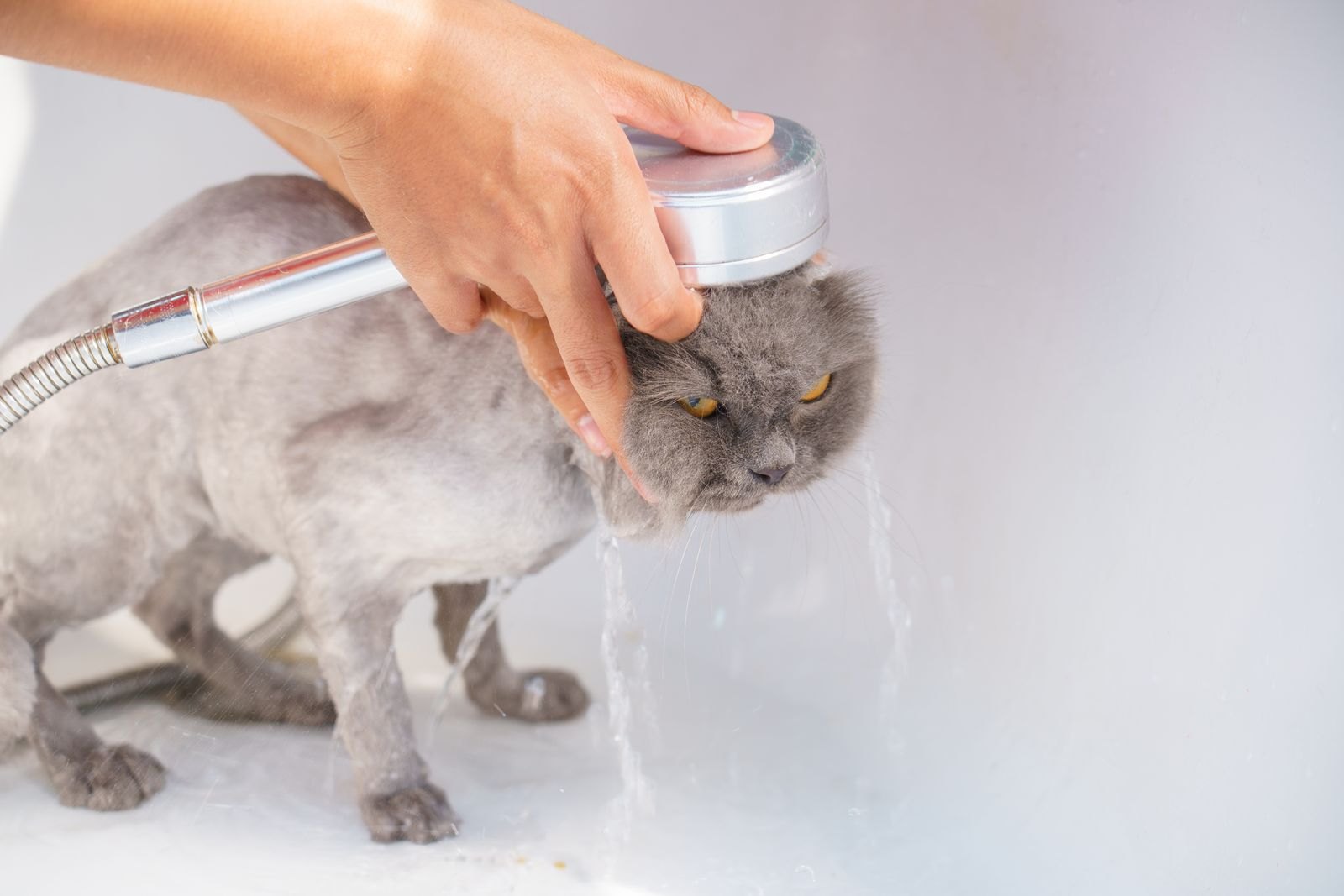
Your cat tracked something sticky through the house, so you gave them a full bath — and while you're at it, you figure a weekly rinse from now on can't hurt, since a cleaner cat is a healthier cat, right? That logic works for people, but it doesn't hold up for cats, and washing a cat more often than they actually need it can leave their skin worse off, not better.
The misconception: more baths means a cleaner, healthier cat
Owners tend to import human bathing logic wholesale: people shower daily and stay healthy, so a cat bathed weekly must be even cleaner and better protected against fleas, dander, and odor. Cats are close to the opposite case — they're built with an extremely efficient self-cleaning system, and a healthy adult cat can go through life having never needed an owner-given bath at all.
Why it's actually happening: bathing strips the skin barrier faster than it can rebuild
A cat's skin produces natural oils (sebum) that coat both skin and fur, and that oil layer does two real jobs: it waterproofs the coat and it maintains the skin's protective barrier, the first line of defense against irritation and infection. Every bath, even with a gentle product, strips away some of that oil layer along with dirt. A healthy cat's skin needs time to replenish that oil supply, and bathing more often than that replenishment cycle allows means the skin barrier stays chronically thinner than it should be.
The result shows up as dry, flaky skin, a duller coat, and in some cats, a rebound effect where oil glands overproduce to compensate, leaving the coat greasier than before within a few days. A thinner skin barrier is also just weaker protection generally — it's easier for allergens and low-grade bacteria to get past. And because most human, and even some poorly formulated pet, shampoos aren't matched to a cat's skin pH, they can make the stripping worse than the water alone would.
There's a self-cleaning piece to this too: a cat's tongue is covered in hundreds of tiny, hooked papillae that work like a fine-tooth comb, and their saliva has some natural antibacterial properties. Between that built-in grooming tool and typically fastidious grooming habits, most cats keep their coat clean without any outside help — which is part of why routine baths aren't doing the protective job an owner assumes they're doing.
The actual fix: bathe only when there's an actual reason to
- Skip the routine schedule — a healthy cat with no skin condition generally doesn't need scheduled baths at all; reserve bathing for an actual reason (got into something sticky, greasy, or mildly toxic, or a vet has prescribed a medicated bath for a diagnosed skin issue).
- Cats who genuinely need more help — seniors, overweight cats, or cats with mobility issues that make self-grooming harder — may need occasional bathing, but even then, once every several weeks is usually plenty unless a vet says otherwise.
- Use a cat-specific, pH-balanced shampoo rather than human or dog shampoo, and always rinse fully — leftover residue is its own skin irritant.
- Between baths, regular brushing does more for coat health than a wash does — it distributes natural oils, removes loose fur before it's swallowed or matted, and doesn't touch the skin barrier at all.
FAQ
How often should I actually bathe my cat?
For most healthy cats, the honest answer is rarely to never — brushing covers routine coat care, and bathing is for specific situations (a genuine mess, a vet-prescribed medicated shampoo), not a recurring schedule.
My cat's skin looked flaky after a recent bath — is that a big deal?
A single bath causing some temporary dryness usually resolves on its own within a few days as oil production catches back up; it's the repeated, frequent bathing that keeps the skin from ever fully recovering.
To recap what actually matters here: cats are built to clean themselves, and each bath strips protective oil faster than skin can replace it — so the real fix isn't a stricter bathing schedule, it's a looser one, saved for a genuine reason, paired with regular brushing in between. If your cat's skin stays flaky, red, scabbed, or unusually itchy for more than a few days regardless of bathing frequency, that's no longer a grooming question — it's worth a vet visit to rule out allergies, parasites, or a skin infection.
Related articles
 4 min read0 views
4 Real Reasons Dogs Hump (Dominance Rarely Explains It)
Your dog mounts a toy or another dog, and it's easy to assume dominance or something sexual. Here's what's actually driving the behavior most of the time.
 4 min read0 views
Intermittent Limping Isn't Nothing Just Because It Stops
Your dog limped for a day, then seemed fine. Here's why intermittent limping still deserves a vet visit, even when it resolves on its own before you get there.
 4 min read0 views