4 Real Reasons Dogs Hump (Dominance Rarely Explains It)
Your dog mounts a toy or another dog, and it's easy to assume dominance or something sexual. Here's what's actually driving the behavior most of the time.
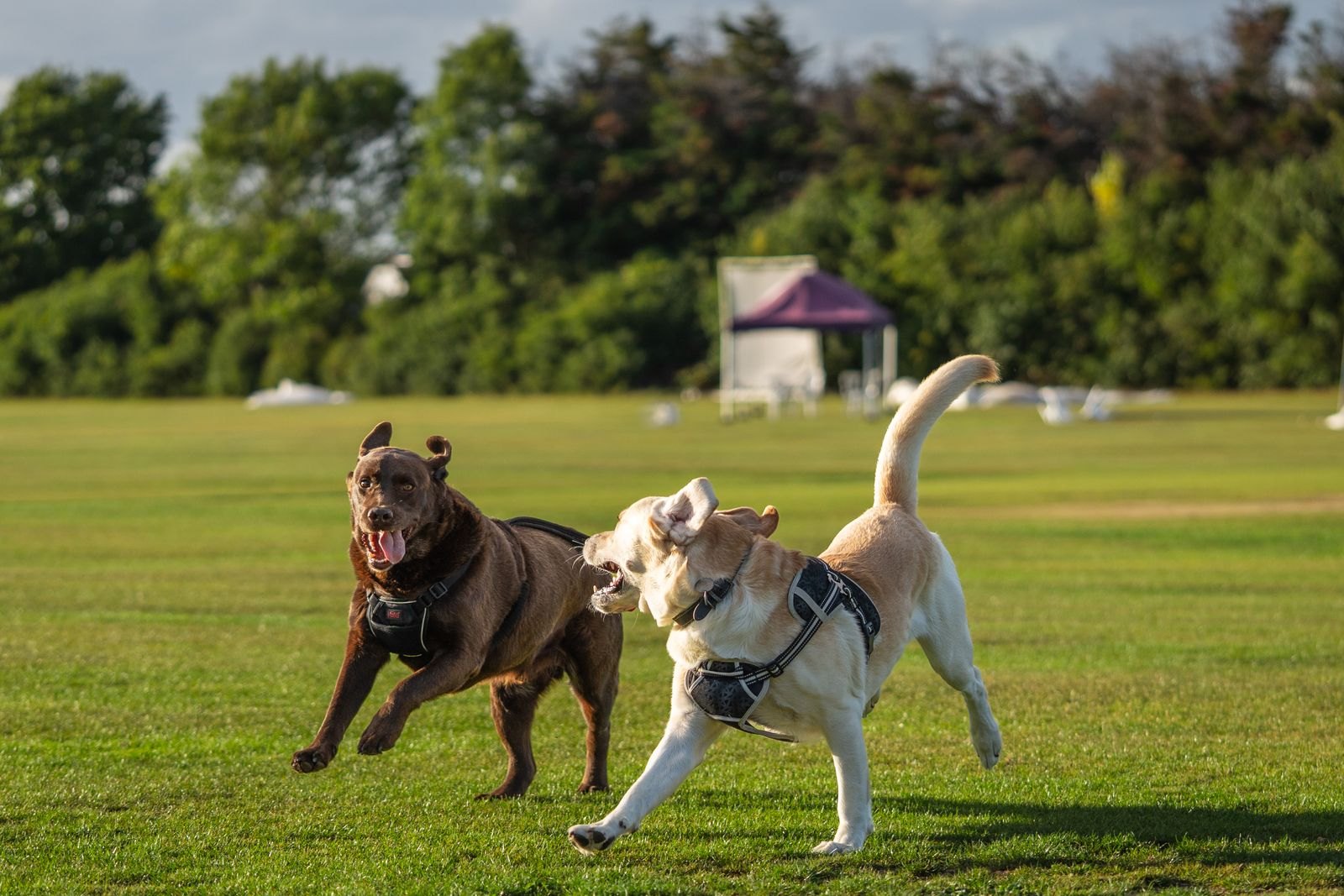
Your dog mounts a toy, a cushion, or another dog at the park, and it's easy to reach for one of two explanations on the spot: either “he's asserting dominance” or something more awkward and purely sexual. Neither explanation actually covers most real-world cases — mounting is largely a generalized arousal and stress-release behavior, not primarily about hierarchy or sex.
The misconception: it's either dominance or it's sexual
These two explanations dominate because they're the ones most owners have heard repeated for decades, often from older training advice or casual park conversation. Both linger because they sound plausible — dominance fits a simple story about who's in charge, and the sexual explanation seems obvious on its face. But the dominance explanation runs into an immediate problem: it doesn't explain why spayed and neutered dogs, with no reproductive drive left to express, mount just as frequently as intact dogs do. Something else is going on in most of these moments.
Why it's actually happening: mounting is an arousal release valve
Modern behaviorists have substantially revised “dominance theory” as an explanation for most everyday dog behavior — the framework was built on flawed early wolf-pack research that doesn't accurately describe how domestic dogs relate to each other or to humans. Mounting between familiar dogs rarely reflects an actual hierarchy dispute; if it did, you'd expect it to track consistently with other status-related behaviors, and in practice it usually doesn't.
What the behavior much more commonly tracks with is overexcitement — during rowdy play, when greeting a highly anticipated guest, during overstimulating situations like a dog park with a lot going on at once, or during anxiety-driven arousal. Mounting functions as a release valve for a dog experiencing big, unregulated arousal and no better outlet for it, similar to how some dogs spin, bark excessively, or grab a toy and shake it hard when they're overstimulated. It's not a calculated social move; it's closer to an emotional overflow behavior.
The fact that spayed and neutered dogs mount just as often as intact dogs is itself strong evidence against a primarily sexual explanation in most everyday contexts — if the behavior were mainly driven by reproductive hormones, removing the source of those hormones should reduce it far more consistently than it actually does in most dogs.
The actual fix: redirect the arousal, don't punish the symptom
Because mounting is usually an arousal signal rather than defiance, a calm interruption and redirect to a known cue (like “settle” or a simple sit) works better than punishment, which can add stress on top of the arousal that caused the behavior in the first place and doesn't teach the dog what to do instead. Watching for the trigger pattern — specific guests, specific play situations, specific other dogs — helps reduce how often those arousal spikes happen at all.
- Interrupt calmly and redirect to a known settle or sit cue rather than punishing, since mounting is usually an arousal signal, not defiance.
- Track the trigger pattern — certain guests, certain play situations, certain other dogs — to reduce the arousal spikes that lead to it.
- Provide an outlet before arousal peaks: a puzzle toy or a calm sniff walk can drain excess energy before a rowdy greeting or play session.
- Frequent, escalating, or distressing-to-others mounting is worth raising with a trainer or veterinary behaviorist, especially if it's a new behavior.
FAQ
Is it ever actually about dominance?
Genuine status-related mounting exists but is far less common than assumed, and is only one plausible explanation among several — arousal, play, stress, and overstimulation account for the large majority of everyday cases.
Should I let it happen or always stop it?
Occasional mounting during normal play usually doesn't need intervention. Redirect it if it's making another dog or a person uncomfortable, becoming frequent, or seems to reflect anxiety rather than simple excitement.
So here's something worth actually noticing next time it happens: can you spot what came right before it — overexcitement, a new guest, a specific play situation? That pattern tells you far more than guessing at dominance or something sexual ever will. If mounting is new, frequent, or paired with other behavior changes, a vet visit can also rule out irritation, urinary issues, or pain that sometimes drives the behavior.
Related articles
 4 min read0 views
Intermittent Limping Isn't Nothing Just Because It Stops
Your dog limped for a day, then seemed fine. Here's why intermittent limping still deserves a vet visit, even when it resolves on its own before you get there.
 4 min read0 views
4 Reasons Kittens Need Different Food, Not Smaller Kibble
Kitten food isn't just adult cat food in a smaller crunch. Here's why growth-stage nutrition actually differs, and what to feed until your cat is grown.
 4 min read0 views