Grain-Free Dog Food Isn't the Heart-Safe Bet It Sounds Like
Grain-free dog food isn't automatically heart-healthy. Here's what the FDA's DCM investigation actually found, and how to judge a diet by more than its label.
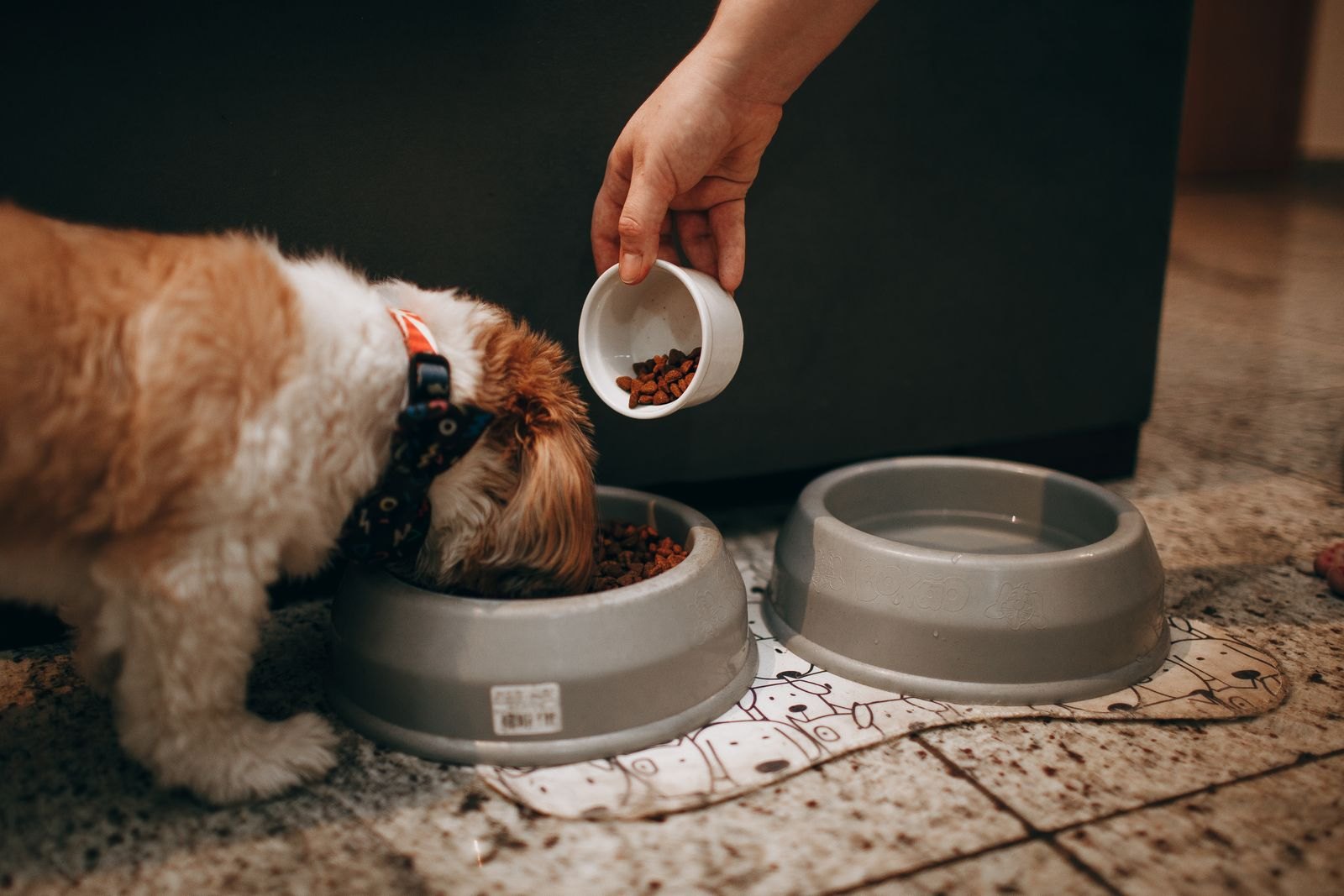
"Grain-free" reads like an upgrade on a dog food bag — closer to what a wolf would eat, fewer fillers, a more natural formula. So when reports connected certain grain-free diets to a serious heart condition in dogs, a lot of owners understandably panicked and assumed the FDA had proven grain-free food causes heart failure. That's not quite what happened, and the real story is more useful than the headline version.
The misconception: grain-free is the safer, more natural choice
The belief goes something like this: grains are cheap fillers, dogs evolved to eat meat, so a grain-free formula must be closer to a dog's "natural" diet and therefore healthier across the board. Marketing leaned into that story for years, and for a lot of dogs on a lot of diets, grain-free food causes no problems at all. The confusion started in 2018, when the FDA opened an investigation after receiving reports of dilated cardiomyopathy (DCM) — a disease where the heart muscle weakens and enlarges, pumping blood less effectively — in dog breeds that aren't genetically prone to it. Many owners now remember this as "grain-free food got recalled for causing heart disease." No recall was ever issued, and the FDA itself said the reports alone weren't enough to prove which specific ingredient or diet caused the problem.
Why it's actually more complicated than "avoid grain-free"
Between January 2018 and April 2019, the FDA logged 553 DCM reports, a sharp jump from the handful reported in a typical year before increased public attention. The diets involved were overwhelmingly labeled grain-free, but the ingredient pattern researchers kept finding wasn't the missing grain — it was a heavy reliance on peas, lentils, chickpeas, and other legumes, sometimes appearing several times on one label in split forms like pea protein, pea starch, and pea fiber. This category of diet is sometimes shorthanded "BEG" (boutique, exotic-ingredient, grain-free) in veterinary nutrition circles.
The original leading theory was taurine deficiency: taurine supports normal heart muscle function, and while dogs can typically synthesize their own from other amino acids, researchers suspected legume-heavy diets were interfering with that process in some dogs. That mechanism turned out to be real for a specific subset of cases — a 2020 study found low taurine levels tied to diet in Golden Retrievers specifically. But it doesn't explain the broader pattern. Tufts University's veterinary nutrition service, which has tracked this issue since it began, now states that diet-associated DCM doesn't appear to be simply a grain deficiency or a taurine deficiency — researchers are still investigating other possible mechanisms. Adding to the confusion, some breeds (Dobermans, Great Danes, Irish Wolfhounds, and Boxers among them) develop DCM for purely genetic reasons regardless of what they eat, which makes it harder to untangle diet-driven cases from cases that were always going to happen.
The actual fix: judge the formulation, not the label
The evidence doesn't support "always avoid grain-free" as a blanket rule — plenty of grain-free diets aren't built around a mountain of legumes and show no elevated signal. A more useful approach is to judge a food by how it was formulated rather than by what it excludes:
- Look for an AAFCO "complete and balanced" statement, and favor diets formulated with input from a board-certified veterinary nutritionist over diets built primarily around a marketing story (grain-free, boutique, exotic protein).
- Scan the ingredient list for peas, lentils, chickpeas, or other pulses appearing repeatedly, including split forms — that repetition is the pattern researchers actually flagged, not the grain-free claim itself.
- If your dog has been on a boutique or legume-heavy diet for a long stretch (effects generally take many months to show up), mention it at your next routine wellness visit rather than waiting for symptoms.
For breeds already genetically predisposed to DCM, this conversation is worth having proactively — your vet may suggest baseline heart screening even before anything looks wrong.
FAQ
Does this mean I should switch my dog off grain-free food immediately?
Not necessarily, and don't do it as a panic reaction. Look at what's actually in the food and talk to your vet, especially if your dog has been eating the same diet for a long time or belongs to an at-risk breed.
Should I give my dog a taurine supplement just in case?
Not on your own. Taurine deficiency explains only some cases, supplementing without a workup doesn't address the broader pattern researchers are still studying, and your vet can test taurine levels directly if there's real concern.
None of this is a diagnosis, and it isn't meant to replace an actual conversation with your vet about your dog's specific diet and breed risk. If your dog is coughing regularly, tiring out faster than usual on walks, breathing rapidly or with effort while resting, has a visibly swollen belly, or has ever fainted or collapsed, treat that as a same-day veterinary visit — those are classic heart-failure signs and shouldn't wait, regardless of what's in the food bowl.
Related articles
 5 min read2 views
Why Are Chocolate and Grapes So Dangerous for Dogs?
A dropped grape or square of chocolate looks harmless, but for dogs both can trigger a real toxicology emergency, fast, not just an upset stomach.
 4 min read1 views
Why Large-Breed Puppy Food Isn't Just a Marketing Label
Feeding a large-breed puppy like a small one can quietly set up joint disease. Here's why growth rate and calcium levels matter more than portion size.
