Why Are Chocolate and Grapes So Dangerous for Dogs?
A dropped grape or square of chocolate looks harmless, but for dogs both can trigger a real toxicology emergency, fast, not just an upset stomach.
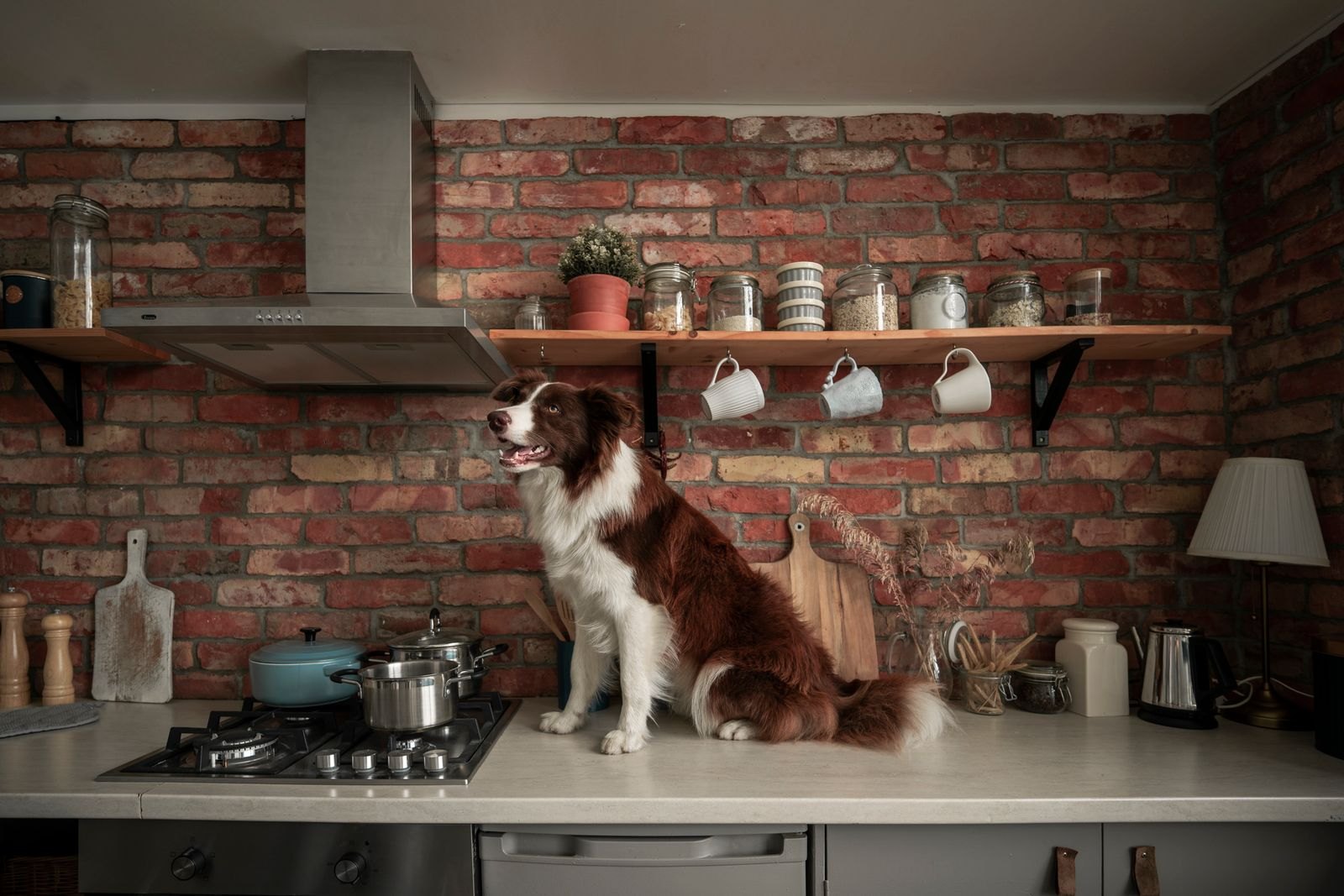
A grape rolls off the counter, a kid's chocolate bar goes missing, or a stick of sugar-free gum disappears off the coffee table — and the instinct for most owners is to shrug it off as too small an amount to matter. For a handful of very ordinary kitchen foods, that instinct is wrong. Chocolate, grapes and raisins, xylitol, and onions and garlic aren't just foods dogs happen to dislike or that upset their stomach; each one triggers a specific, well-documented toxic mechanism in a dog's body, and knowing which foods and what to do in the first hour matters more than it seems.
The misconception: "it's just a little, my dog will be fine"
The assumption that trips up most owners is that risk scales cleanly with size — a big dog eating a small amount should be proportionally safer than a small dog eating the same amount. That logic holds up reasonably well for chocolate, where dose genuinely matters and is measured against body weight. It doesn't hold up at all for grapes and raisins, where there's no established safe dose for any size of dog, so a single grape is treated the same way as a handful. The other part of the misconception is timing: owners often wait to see if symptoms show up before deciding whether to call anyone. For a couple of these toxins, by the time visible symptoms appear, the window for the most effective treatment has already started closing.

Why it's actually a problem: four different mechanisms, not one vague "toxic"
Each of these foods harms a dog's body in a distinct, named way — not through some general "dogs shouldn't eat human food" rule.
- Chocolate contains methylxanthines (theobromine and caffeine), stimulants dogs metabolize far more slowly than people do. Clinical data from the ASPCA Animal Poison Control Center puts mild signs like vomiting and restlessness at around 20 mg of methylxanthines per kilogram of body weight, more serious signs such as a racing heart and tremors around 40-50 mg/kg, and seizures around 60 mg/kg. Chocolate type matters a lot here: an ounce of baking chocolate carries roughly nine times the theobromine of an ounce of milk chocolate, so a small dog can reach a dangerous dose from a surprisingly small amount of dark or baking chocolate.
- Grapes and raisins cause acute kidney failure in dogs through a mechanism that stayed unknown for decades. In 2021, toxicologists working with the ASPCA Animal Poison Control Center published findings linking grape and raisin poisoning cases to a shared compound — tartaric acid, and its salt potassium bitartrate (cream of tartar) — as the likely toxic agent. Tartaric acid concentration varies by grape variety, ripeness, and growing conditions, which is part of why there's still no reliable "safe" amount and no way to predict in advance which dogs will react severely.
- Xylitol, a sugar substitute in sugar-free gum, some peanut butters, and certain baked goods, is essentially harmless to people but triggers a very different response in dogs: it causes the pancreas to release a burst of insulin several times larger than the same amount of real sugar would, which can drop blood glucose sharply within 30 minutes to 2 hours of ingestion. At higher doses, xylitol is separately associated with acute liver failure, a process researchers believe involves the liver's energy-producing machinery being depleted rather than the insulin spike itself.
- Onions and garlic (along with leeks and chives) contain thiosulfate compounds that dogs' red blood cells can't handle. These compounds oxidize the cells, forming clusters called Heinz bodies that mark the cells for destruction — a condition called hemolytic anemia. According to the Merck Veterinary Manual, this damage builds gradually, so symptoms like pale gums, lethargy, and dark urine often don't appear for several days after ingestion, which means a dog can look completely normal on the day it actually ate the food.
The actual fix: what to change at home and what to do if it happens anyway
The most effective fix here isn't a diet change — it's removing access and knowing the immediate next step if access fails anyway.
- Store, don't just place out of sight. Chocolate, grapes and raisins, gum, and any baked goods containing xylitol belong in a closed cabinet or a sealed, dog-proof container on a counter a dog genuinely can't reach or jump to — not just pushed to the back of the counter.
- Read labels before sharing anything sweet. Xylitol shows up under that name or as "birch sugar" on ingredient lists for gum, some peanut butters, and low-sugar baked goods — check before letting a dog lick a spoon or wrapper.
- Skip scraps cooked with onion or garlic. The thiosulfate compounds survive cooking, drying, and powdering, so gravies, sauces, and leftovers seasoned with onion or garlic powder carry the same risk as the raw vegetable.
- Keep a pet first-aid kit and a saved poison control number on hand. A basic kit with the ASPCA Animal Poison Control number already written on it means you're not searching for it while already worried. A pet-safe food storage container for anything that has to sit on a counter (bread, fruit bowls) removes the temptation entirely.
FAQ
My dog ate one grape and seems totally fine — do I still need to call someone?
Yes. Because there's no established safe dose for grapes and raisins and no way to predict which dogs will react severely, veterinary guidance is to treat any amount as a reason to call a vet or poison control, regardless of how the dog looks in the moment.
Is cooked or powdered onion safer than raw?
No. The thiosulfate compounds responsible for the red blood cell damage aren't broken down by cooking, drying, or powdering, so onion powder in a gravy or sauce carries essentially the same risk as raw onion.
If your dog eats any amount of chocolate, grapes or raisins, xylitol, onion, or garlic, call your vet or an animal poison control hotline (ASPCA Animal Poison Control: 888-426-4435) right away rather than waiting to see if symptoms show up, and don't try to induce vomiting at home without professional guidance first — for some of these toxins, how quickly treatment starts changes the outcome.
Related articles
 4 min read2 views
Why Large-Breed Puppy Food Isn't Just a Marketing Label
Feeding a large-breed puppy like a small one can quietly set up joint disease. Here's why growth rate and calcium levels matter more than portion size.
 4 min read1 views
Why Does My Dog Still Itch After Switching Foods?
Owners blame the food bag the moment a dog won't stop itching, but true food allergies are rarer than most assume. Here's what's actually behind it.
