3 Signs Your Dog Needs a Decompression Zone
A dog who's wired after walks or visitors doesn't need more play, they need somewhere quiet to land. Here's why arousal lingers and how to help it settle.
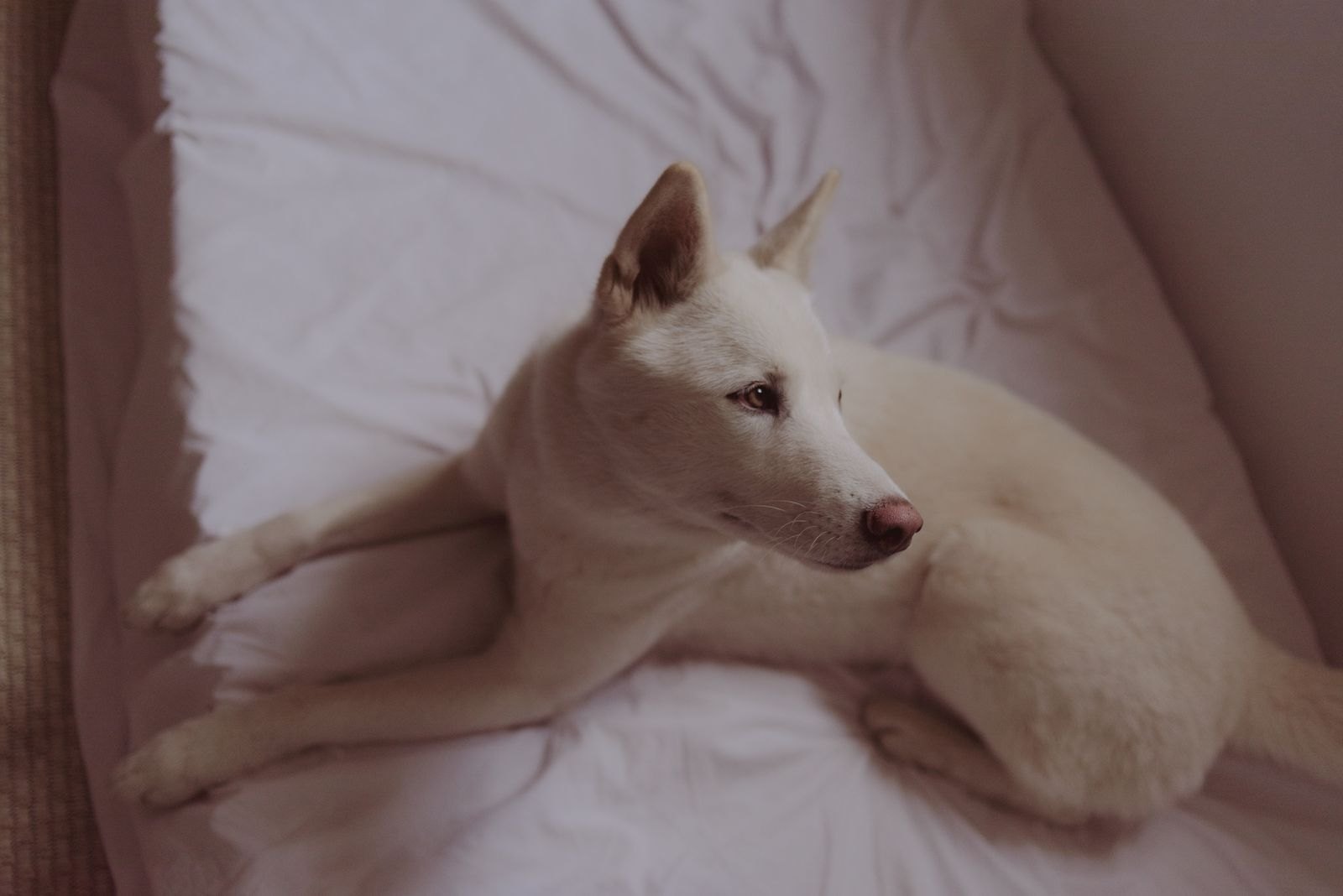
Guests just left, or you're back from a long walk through a busy park, and your normally easygoing dog is suddenly bouncing off the walls, mouthing at your hands, or snapping at the cat for walking by. That's not leftover energy that needs burning off with more play — it's a nervous system that hasn't come back down yet, and what it actually needs is somewhere quiet to land.
The misconception: an overstimulated dog just needs to run it off
The instinct when a dog seems 'wound up' after something exciting is to give them an outlet — another game of fetch, more attention, a second walk. That usually adds another layer of stimulation on top of one the dog hasn't processed yet, rather than helping them settle, which is the opposite of what an overstimulated dog actually needs in that moment.
Why it's actually happening: arousal doesn't switch off the second the event ends
Exciting events are stressors on a dog's nervous system in the same physiological sense that scary ones are — a busy walk full of new sights, smells, and other dogs, or visitors arriving with excited greetings, all trigger the same kind of arousal response as a startling one, just with a different emotional flavor. That arousal doesn't reset the moment the walk ends or the guests leave; hormones like cortisol and adrenaline take real time to clear the body, commonly an hour or more depending on how intense the event was, not the few minutes it takes to walk back through the front door.
If a dog gets pulled into another stimulating interaction while still keyed up from the last one — more play, a second greeting, another walk — the arousal from both events stacks instead of resetting, a pattern behaviorists call trigger stacking. A dog in that state is more likely to react to something that would normally barely register: a doorbell, a dropped object, a sibling pet walking past. It isn't defiance or excess energy looking for an outlet; it's a dog whose baseline arousal is already elevated getting pushed past a threshold by one more small thing.
This is a different situation from a fear-based safe space during something like a thunderstorm — the goal there is escaping a specific scary trigger. A decompression zone is about giving any high-arousal state, exciting or stressful, somewhere to come back down, and a dog that regularly gets these post-event episodes usually benefits from having one available as a default, not just during obviously stressful moments.
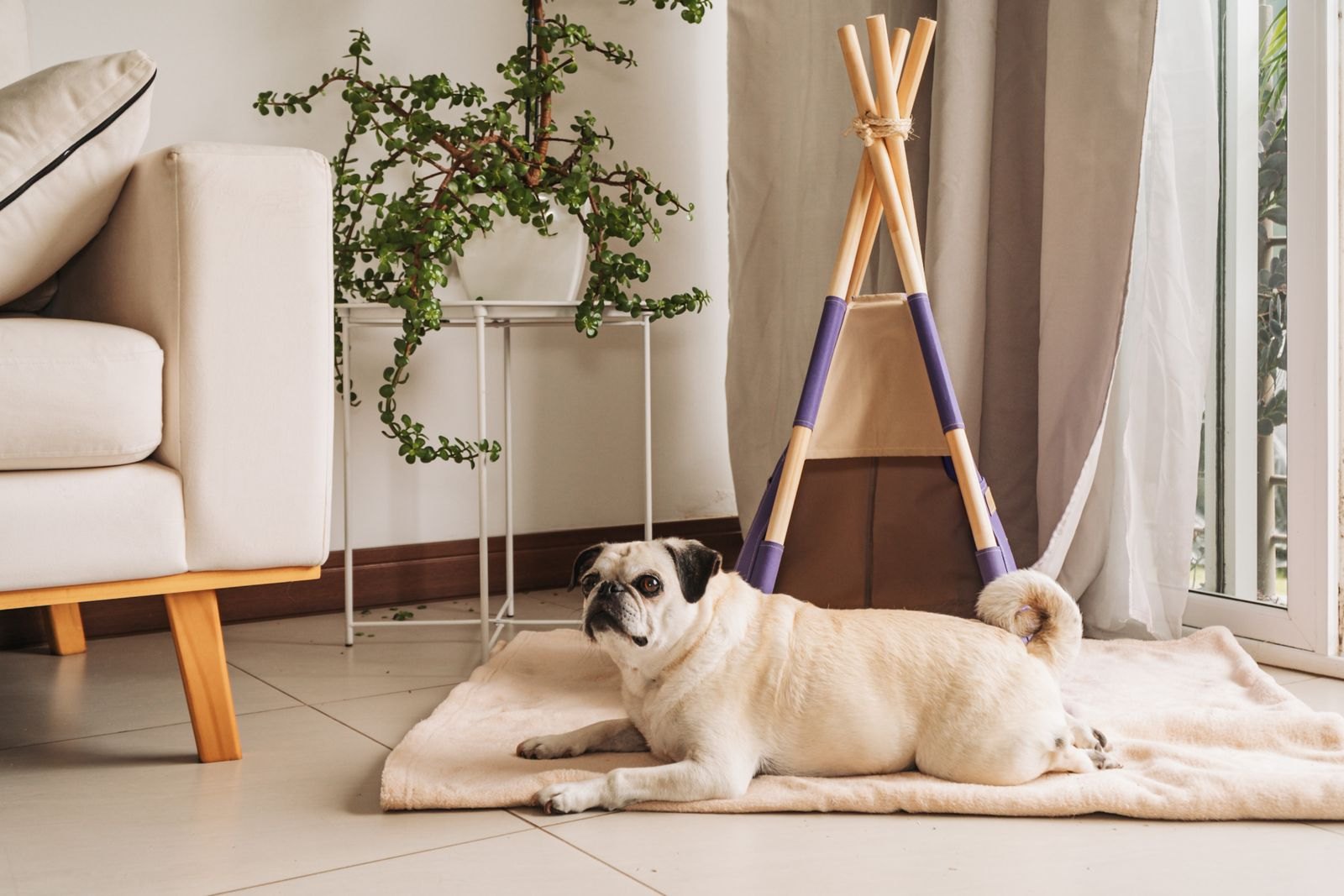
The actual fix: build a decompression routine, not just a spot
- Set up a consistent, low-traffic space — a mat, an open crate, a bed in a quiet corner — that's never used for time-outs or punishment, so the dog associates it purely with settling down.
- Pair it with a calming activity right after exciting events: a frozen lick mat or a long-lasting chew works well to give the mouth and brain something slow to do instead of more stimulation.
- Give visitors and family a heads-up to skip more play or excited greetings for a stretch after arrival or after a walk, rather than immediately ramping things up further.
- Watch for early signs the dog is still keyed up — can't settle, overreacting to small sounds, extra mouthy — and treat those as the cue to start the decompression routine, not more stimulation.
FAQ
How long should a decompression period actually last?
It varies by dog and by how intense the triggering event was, but giving at least 30 to 60 minutes of low-key downtime after something exciting is a reasonable starting point, longer for dogs that seem to need it.
My dog seems fine right after walks or visitors — do I still need this?
Not necessarily. This is most useful for dogs who show a clear pattern of post-event mouthiness, reactivity, or trouble settling — if your dog transitions back to calm easily on their own, there's less need to force a structured decompression routine.
The single biggest fix here is simple: give your dog somewhere quiet to land after the excitement ends, before asking anything else of them. A consistent decompression spot paired with a calm, low-demand window after walks or visitors does more for a wound-up dog than another round of play ever will. If your dog can't settle even with a regular decompression routine in place, seems persistently anxious rather than just excited, or the overreaction tips into real aggression, that's worth a vet visit to rule out pain or another medical driver, alongside input from a certified trainer or veterinary behaviorist.
Related articles
 4 min read4 views
Grain-Free Dog Food Isn't the Heart-Safe Bet It Sounds Like
Grain-free dog food isn't automatically heart-healthy. Here's what the FDA's DCM investigation actually found, and how to judge a diet by more than its label.
 5 min read2 views
Why Are Chocolate and Grapes So Dangerous for Dogs?
A dropped grape or square of chocolate looks harmless, but for dogs both can trigger a real toxicology emergency, fast, not just an upset stomach.
 4 min read1 views