Why Does My Dog Still Itch After Switching Foods?
Owners blame the food bag the moment a dog won't stop itching, but true food allergies are rarer than most assume. Here's what's actually behind it.
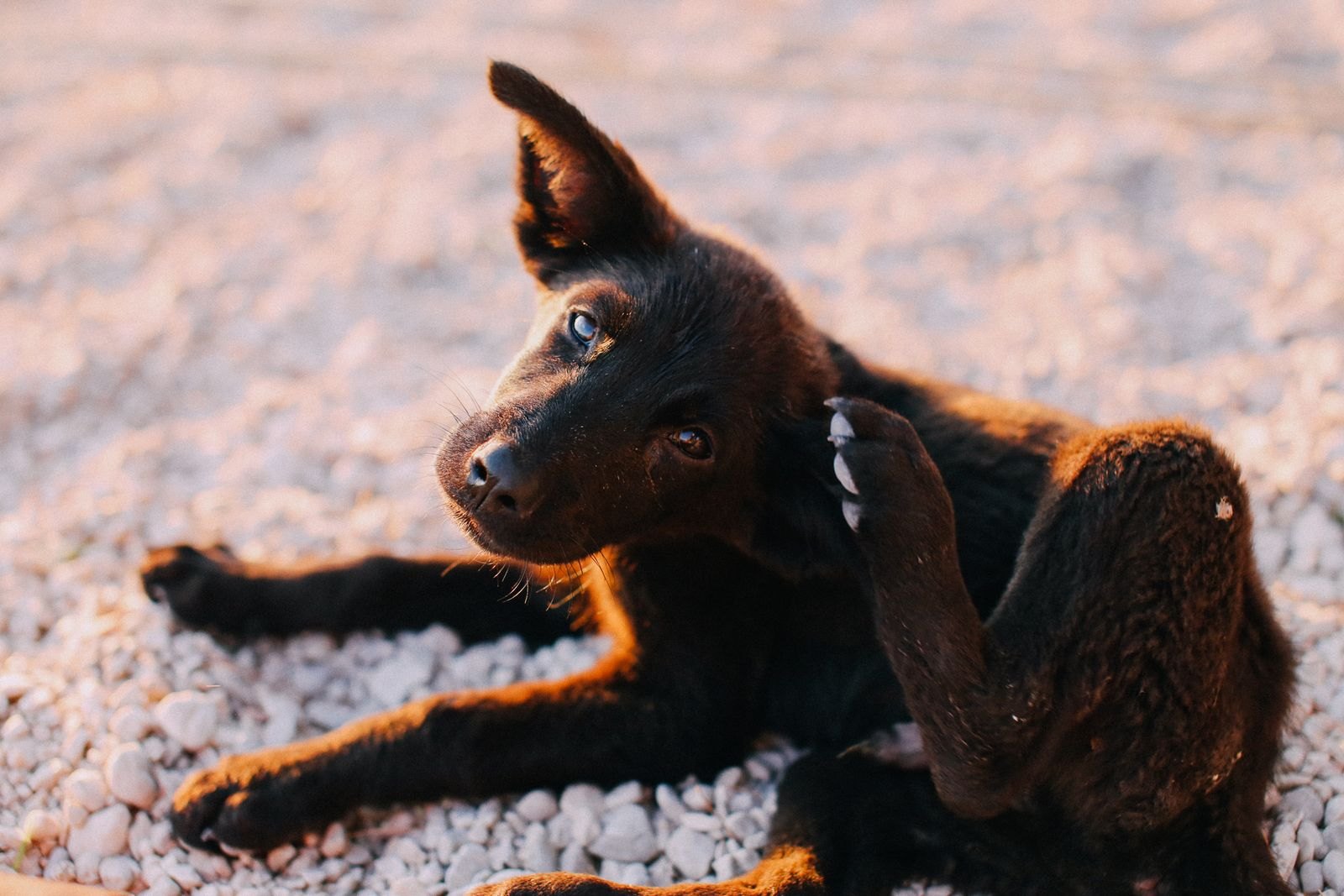
If your dog won't stop scratching, chewing at a paw, or rubbing their face against the couch, the food bag is usually the first thing owners blame — and the pet food aisle is happy to sell a new bag to try. But true food allergies are actually one of the rarer causes of chronic itching in dogs, far behind environmental triggers like fleas, pollen, and dust mites. Chasing the wrong cause with bag after bag of “limited ingredient” food can leave a dog itchy for months while the real trigger goes unaddressed.
The misconception: constant itching means it's the food
Because food feels like the one variable owners can control, a dog that's constantly licking a paw or scratching a flank gets a new bag of food before anything else changes. It's an understandable first move, but it's statistically the least likely fix — true food allergies cause only a small share of allergic skin disease in dogs, while environmental allergies (atopic dermatitis) and flea allergy dermatitis together account for the large majority of chronic itch cases vets actually see. Switching brands repeatedly, especially between formulas that share overlapping protein sources like chicken or beef, often changes nothing because the trigger was never in the bowl to begin with.
Why it's actually happening: the itch usually starts in the air or on the skin, not the gut
Environmental allergens — pollen, mold spores, dust mites, and even a pet's own skin bacteria — trigger an immune response through inhalation or direct skin contact, the same general mechanism behind human hay fever but expressed as itchy skin instead of a runny nose in dogs. This is called atopic dermatitis, and unlike a food allergy, it's frequently seasonal or tied to a specific environment rather than constant regardless of what's in the bowl. Flea allergy dermatitis is a separate and even more common culprit — a single flea bite can trigger an intense, disproportionate itch response in a sensitive dog for days after the flea itself is gone, which is why owners who don't see fleas crawling on their dog often rule out fleas too quickly.
A true food allergy is different: it's an immune reaction to a specific protein (commonly chicken, beef, dairy, or wheat) that the dog has been exposed to repeatedly over time, and it doesn't come and go with the seasons the way environmental allergies often do. The two can also overlap in the same dog, which is part of why guessing rarely resolves things cleanly.
The actual fix: what actually confirms a food allergy (and what doesn't)
Consistent, year-round parasite prevention is worth ruling out first since it's the cheapest and fastest variable to control, especially if the itching has any seasonal pattern that points toward pollen or other environmental triggers instead. If a food allergy is still suspected after that, the only way to actually confirm it is a strict elimination diet — typically a hydrolyzed protein or a truly novel protein the dog has never eaten before, fed exclusively (no treats, no table scraps, no flavored medication) for 8 to 12 weeks, followed by reintroducing the old food to see if symptoms return.
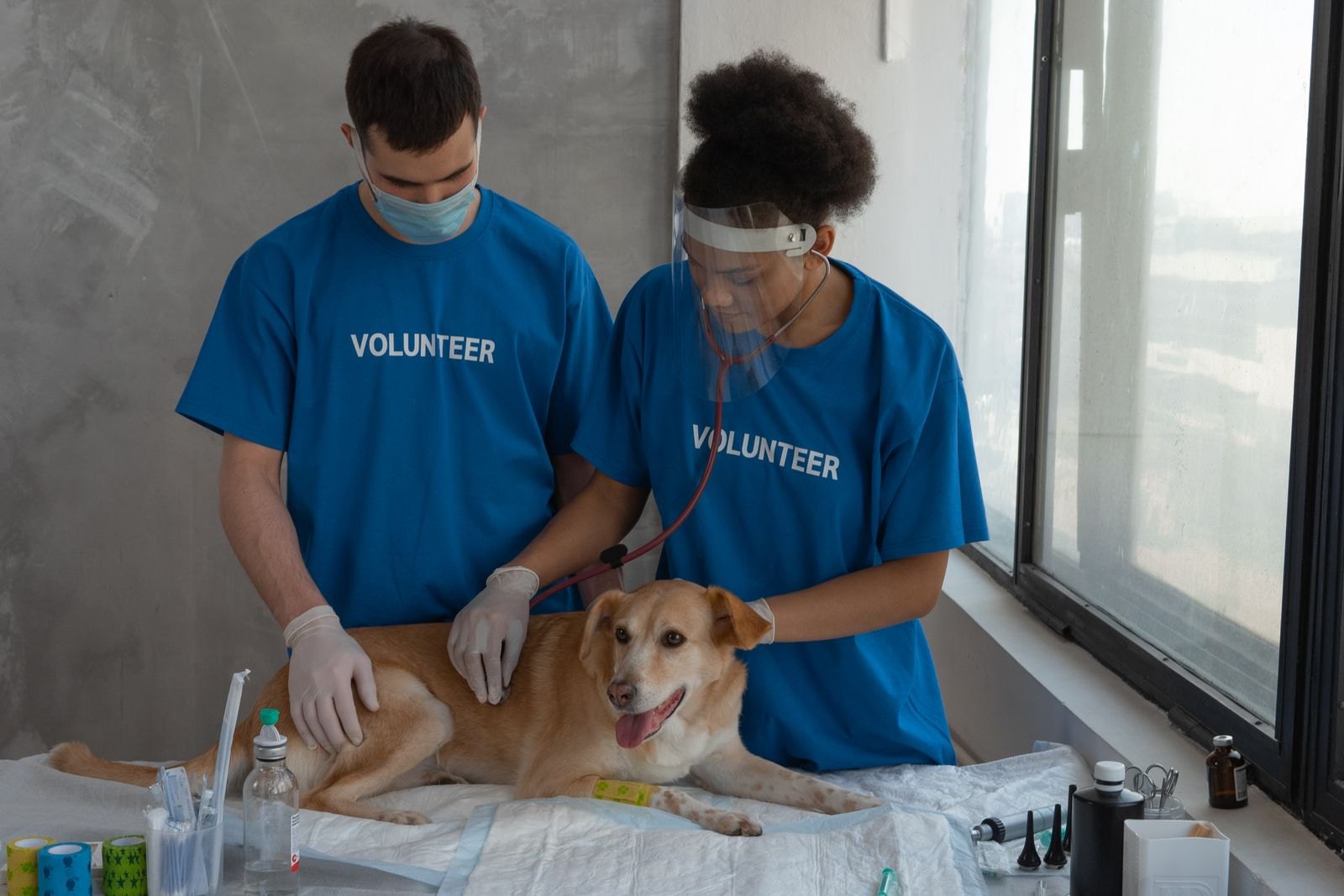
Rotating between over-the-counter bags with different marketing labels doesn't do this, because most conventional formulas still share overlapping protein and additive sources.
- Rule out fleas first — consistent, vet-recommended flea prevention year-round, even indoors, since a single bite can cause days of itching in a sensitive dog.
- A real elimination trial uses a hydrolyzed or truly novel protein food exclusively for 8–12 weeks — not a rotation of different bags off the shelf.
- Track when the itching started and whether it follows a seasonal pattern, which points toward environmental triggers rather than food.
- Environmental allergy management (medicated shampoos, prescribed antihistamines or other therapies) is a completely different treatment path from a food allergy, so an accurate cause matters before treating.
FAQ
My dog's itching seems worse in spring and fall — does that rule out food?
A seasonal pattern points strongly toward environmental allergens like pollen rather than food, since a true food allergy to something in the daily diet would typically cause symptoms year-round rather than flaring with the seasons.
Can a dog develop a food allergy to something they've eaten fine for years?
Yes — food allergies typically develop after repeated exposure to a protein over time rather than on the first exposure, which is part of why a dog can seem to tolerate a food for years before suddenly reacting to it.
Before reaching for a new bag of food, it's worth actually running through what this article covered: is flea prevention actually consistent and year-round? Does the itching follow a seasonal pattern? Has anything changed in the environment recently — new detergent, new grass treatment, a change in household cleaning products? Answering those first, rather than guessing with a new bag of food, gets to the real cause faster. If itching is severe, doesn't improve after these steps, or comes with hair loss, open sores, or ear infections, a veterinarian can run the actual tests (skin scraping, cytology, or a supervised elimination diet) needed to confirm what's really going on.
Related articles
 3 min read0 views
Why Does Switching Dog Food Too Fast Cause Diarrhea?
A fast food switch can trigger diarrhea and vomiting in dogs. Here's why gut bacteria need time to adjust, and the transition schedule that actually works.
 4 min read4 views
Grain-Free Dog Food Isn't the Heart-Safe Bet It Sounds Like
Grain-free dog food isn't automatically heart-healthy. Here's what the FDA's DCM investigation actually found, and how to judge a diet by more than its label.
 5 min read2 views