Over-Cleaning Your Dog's Ears Is Secretly Causing Infections
Wiping your dog's ears more often feels responsible, but it can strip the ear's natural defenses and trigger the very infections you're trying to prevent.
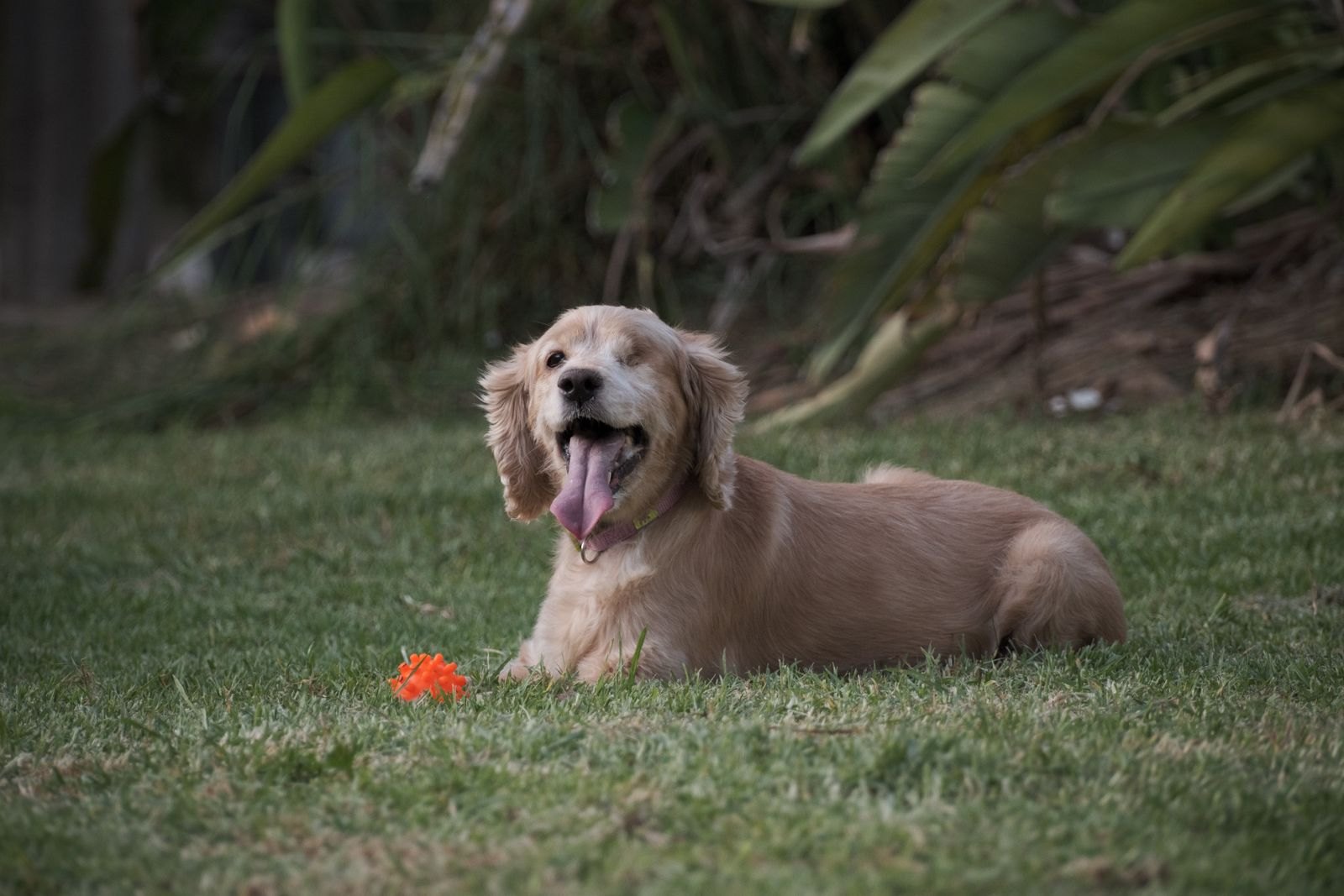
Your vet caught an ear infection early during a routine visit, so now you wipe your dog's ears out every few days just to stay ahead of it — it feels like the responsible thing to do. But a dog's ear canal has its own cleanup system, and constant wiping can strip that system faster than it can rebuild, making infections more likely, not less.
The misconception: more cleaning always means fewer infections
Owners tend to treat ear cleaning like brushing teeth — a habit where more frequency can only help. So after any scare (a vet visit, a whiff of odor, a head shake that seemed off), the instinct is to start wiping every few days just to be safe. This is a genuinely different problem from the anatomy-driven ear infections common in floppy-eared breeds, where trapped moisture and poor airflow under a heavy ear flap are the trigger regardless of how often anyone cleans. Here, the ear shape isn't the issue at all — the owner's routine is.
Why it's actually happening: the ear canal has its own defenses, and cleaning can wreck them
A healthy ear canal isn't a blank tube that sits there collecting dirt until a human intervenes. It produces cerumen (earwax) that coats and protects the lining, and it hosts a resident, balanced population of yeast and bacteria that, in normal amounts, actually keeps more troublesome organisms in check. Cleaning more often than the canal can replenish cerumen strips that protective layer faster than the gland can rebuild it, leaving the lining under-defended.
At the same time, frequent flushing disrupts the resident microbe balance itself. When the normal population gets wiped out repeatedly, opportunistic organisms — most commonly Malassezia yeast, sometimes certain bacteria — get an opening to overgrow once cleaning stops or slows even slightly, because nothing is holding their numbers down anymore. On top of that, repeated contact with cleaning solution and the mechanical friction of wiping irritate the canal lining directly. That irritation produces redness, itchiness, and odor that can look and feel exactly like the infection an owner was trying to prevent in the first place — so the response is often to clean even more, which deepens the cycle.
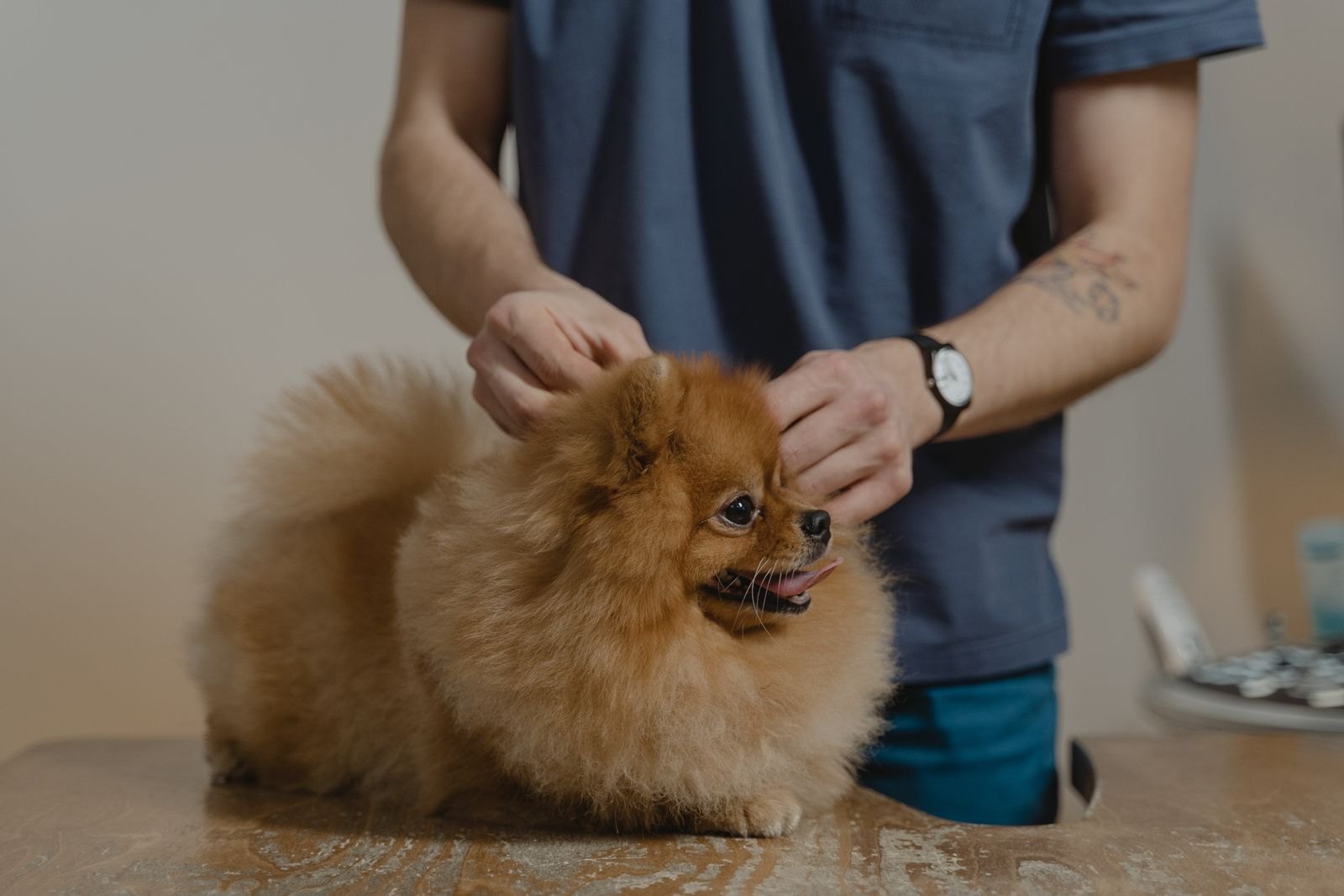
The actual fix: clean on a signal, not a calendar
Most healthy dogs need their ears cleaned every few weeks, not every few days — the right trigger is visible debris, a noticeable odor, or after swimming, not a fixed schedule on the calendar. When you do clean, use a vet-formulated, pH-balanced ear cleaning solution designed for dogs (not water, not alcohol, not a human product) along with soft cotton pads. Cotton swabs pushed into the canal are worth avoiding entirely — they tend to pack debris deeper rather than remove it, and they risk injuring the eardrum.
- Set a signal, not a schedule — clean when there's visible dirt, odor, or after a swim, not every few days out of habit.
- Use a vet-formulated, pH-balanced solution and soft cotton pads; skip cotton swabs entirely.
- If your dog just finished treatment for an ear infection, ask the vet for a specific maintenance interval rather than defaulting to more frequent cleaning on your own.
- Dry ears thoroughly after baths or swimming — trapped moisture, not cleaning frequency, is the separate anatomy-driven risk for floppy-eared dogs.
FAQ
How do I know if my dog's ears are actually dirty, versus just a little waxy?
A light, even coating of tan wax is normal and doesn't need removing. Visible debris, dark discharge, a strong odor, or a dog pawing at or shaking their head are the real signals that it's time to clean or, if those signs persist, time to see a vet.
My dog just finished ear infection treatment — shouldn't I clean more often to stop it coming back?
Not on your own schedule. Ask the vet who treated the infection for a specific maintenance interval; recurrence prevention depends on the original cause, and over-cleaning during recovery can re-irritate a canal that's still healing.
To recap what actually matters here: the fix for ear infections usually isn't a stricter cleaning routine — it's a looser one, aimed only at actual dirt. Check your current habits, and if you're wiping on a fixed schedule rather than in response to visible dirt or odor, scale back. If your dog's ears stay red, itchy, or odorous — or the head-shaking continues — even after you back off cleaning, that's a sign to see a vet rather than clean more.
Related articles
 4 min read4 views
Grain-Free Dog Food Isn't the Heart-Safe Bet It Sounds Like
Grain-free dog food isn't automatically heart-healthy. Here's what the FDA's DCM investigation actually found, and how to judge a diet by more than its label.
 5 min read2 views
Why Are Chocolate and Grapes So Dangerous for Dogs?
A dropped grape or square of chocolate looks harmless, but for dogs both can trigger a real toxicology emergency, fast, not just an upset stomach.
 4 min read1 views