Raw Dog Food's Hidden Bacteria and Bone Risks
Raw and homemade dog diets carry bacterial and bone risks that don't show up as symptoms in your dog. Here's what actually needs to change.
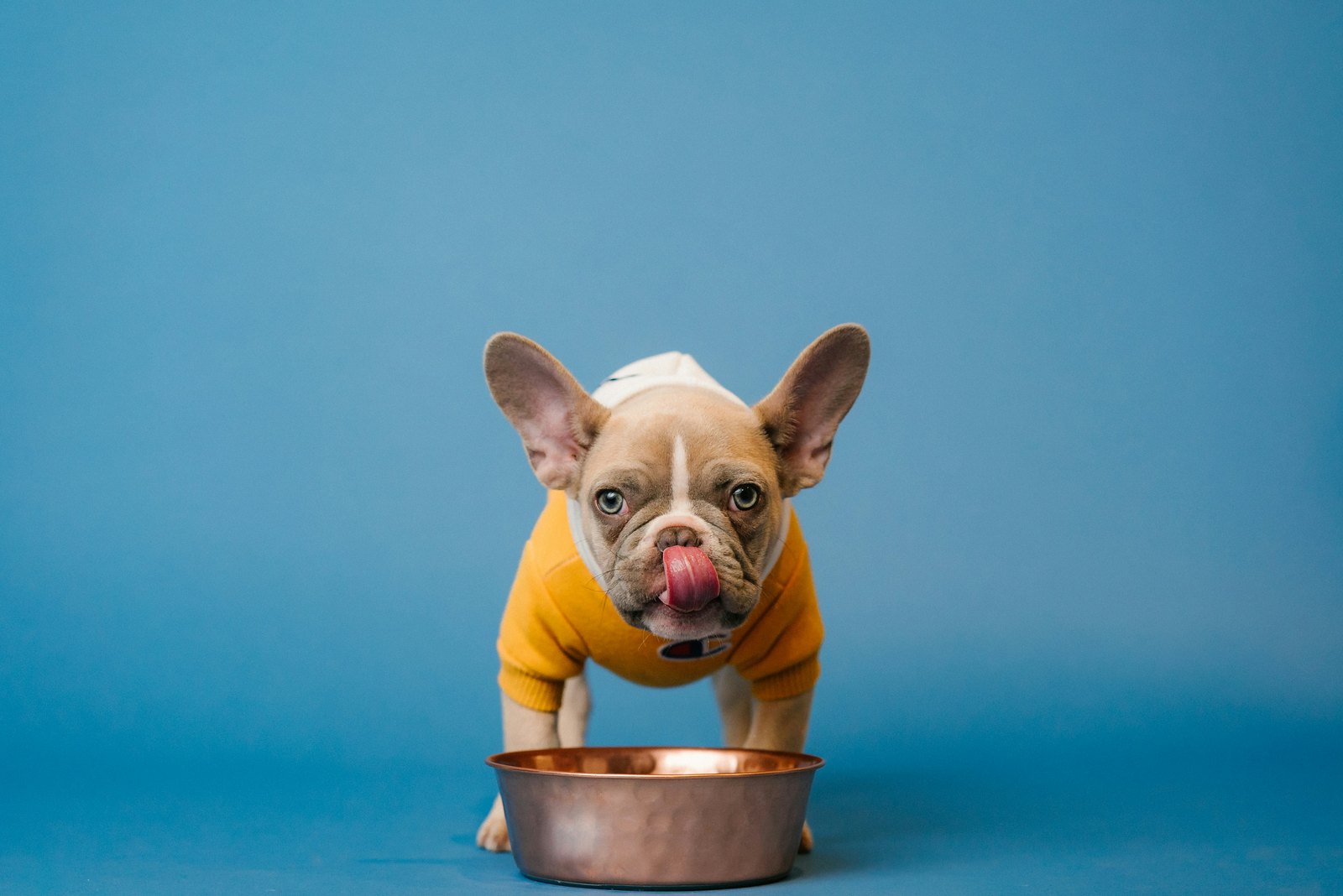
Ask a raw-feeding owner why they switched and you'll usually hear the same evidence: shinier coat, smaller stool, more energy on walks. It's real, and it's also not the whole picture. A dog that looks great on a raw or homemade diet can still be eating something that carries a real safety risk — just not the kind of risk that shows up as a symptom in the dog itself.
The misconception: if my dog looks fine, the diet is safe
Raw feeding communities lean heavily on visible results — a glossier coat, less shedding, firmer stool, a dog that seems more alert. Those changes are often genuine, and they get treated as proof that the diet is working and therefore safe. The problem is that this kind of evidence only checks for symptoms in the dog, and two of the biggest risks in raw and homemade feeding never show up that way at all: bacterial contamination that mostly threatens the humans in the house, and bone-related injuries that build up quietly before something actually breaks.
Why it's more complicated than a shiny coat
The FDA's own testing of commercially available raw pet food found Salmonella in roughly 1 of every 13 samples and Listeria monocytogenes in about 1 in 6 — both far higher contamination rates than kibble or canned food, which are cooked at temperatures that kill those bacteria before the bag is ever sealed. Dogs can carry and shed Salmonella in their stool without ever looking sick themselves, which means a household where "the dog seems totally fine" can still be quietly exposing kids, older relatives, or anyone immunocompromised every time a bowl gets rinsed in the kitchen sink.
Bones are the other blind spot. Whole or weight-bearing raw bones get marketed as a natural raw-feeding staple, but they're hard enough to fracture molars outright, and they can splinter into fragments that lodge in the esophagus, stomach, or intestine — an emergency that has nothing to do with how "clean" or high-quality the rest of the diet is. 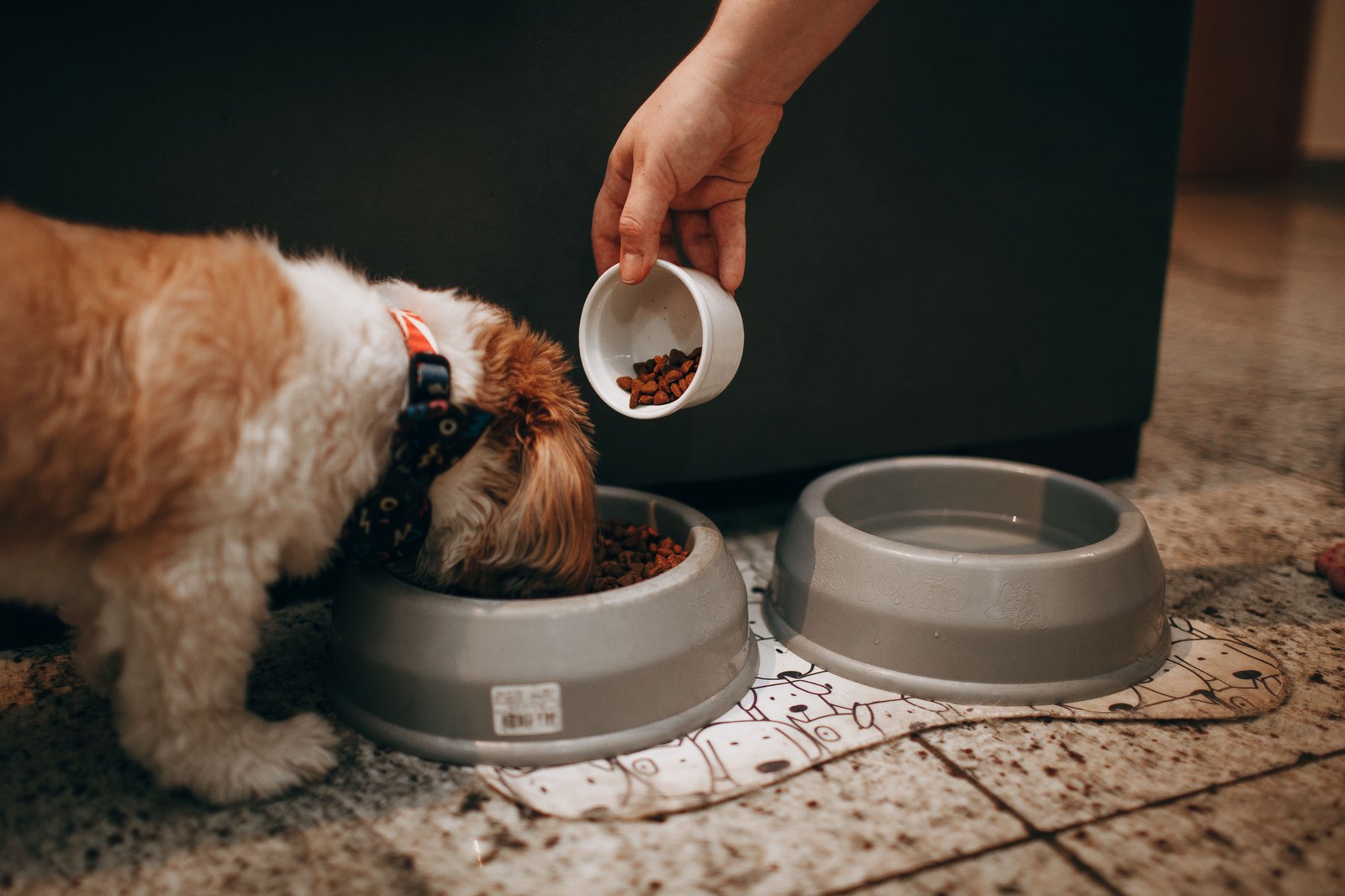 On top of that, homemade raw recipes assembled without professional input routinely miss the calcium-to-phosphorus ratio dogs actually need — a gap that matters most during a growing puppy's skeletal development, but that can cause problems at any age if it's off for months at a stretch.
The actual fix: treat raw feeding like a food-safety decision, not a lifestyle one
If you feed raw, look for a commercially prepared product whose label states it meets AAFCO or FEDIAF complete-and-balanced standards — not an unformulated butcher-counter mix with no nutrient analysis behind it. Skip whole or weight-bearing bones as a chew or meal add-on, and ask your vet for a chew that's actually sized and textured for your dog's bite. Handle raw pet food the way you'd handle raw meat for a human dinner: a dedicated cutting board and bowl, hot soapy water after every meal, and hand-washing right after — especially with kids or immunocompromised people in the house. And if you're feeding a homemade recipe, get it reviewed by a board-certified veterinary nutritionist before it becomes your dog's everyday food, not months after you've already been feeding it.
FAQ
Does freezing raw meat kill Salmonella or Listeria? No — freezing can slow bacterial growth but doesn't reliably kill these organisms the way cooking or commercial high-pressure processing does.
Is homemade cooked food safer than raw? Cooking removes most of the bacterial risk, but a homemade cooked diet can still be nutritionally unbalanced without a formulated recipe — the bone and bacteria risks shrink, but the nutrient-gap risk doesn't disappear on its own.
The real safety test for a raw diet isn't how your dog looks in the mirror — it's whether there's an actual nutrient analysis and safety standard behind what's in the bowl. Talk to your vet or a veterinary nutritionist before starting or continuing a raw or homemade diet, especially for puppies, seniors, or dogs with an existing health condition, and see a doctor if anyone in the household develops unexplained GI illness after handling raw pet food.
Related articles
 4 min read5 views
Grain-Free Dog Food Isn't the Heart-Safe Bet It Sounds Like
Grain-free dog food isn't automatically heart-healthy. Here's what the FDA's DCM investigation actually found, and how to judge a diet by more than its label.
 5 min read3 views
Why Are Chocolate and Grapes So Dangerous for Dogs?
A dropped grape or square of chocolate looks harmless, but for dogs both can trigger a real toxicology emergency, fast, not just an upset stomach.