Why Does Switching Dog Food Too Fast Cause Diarrhea?
A fast food switch can trigger diarrhea and vomiting in dogs. Here's why gut bacteria need time to adjust, and the transition schedule that actually works.
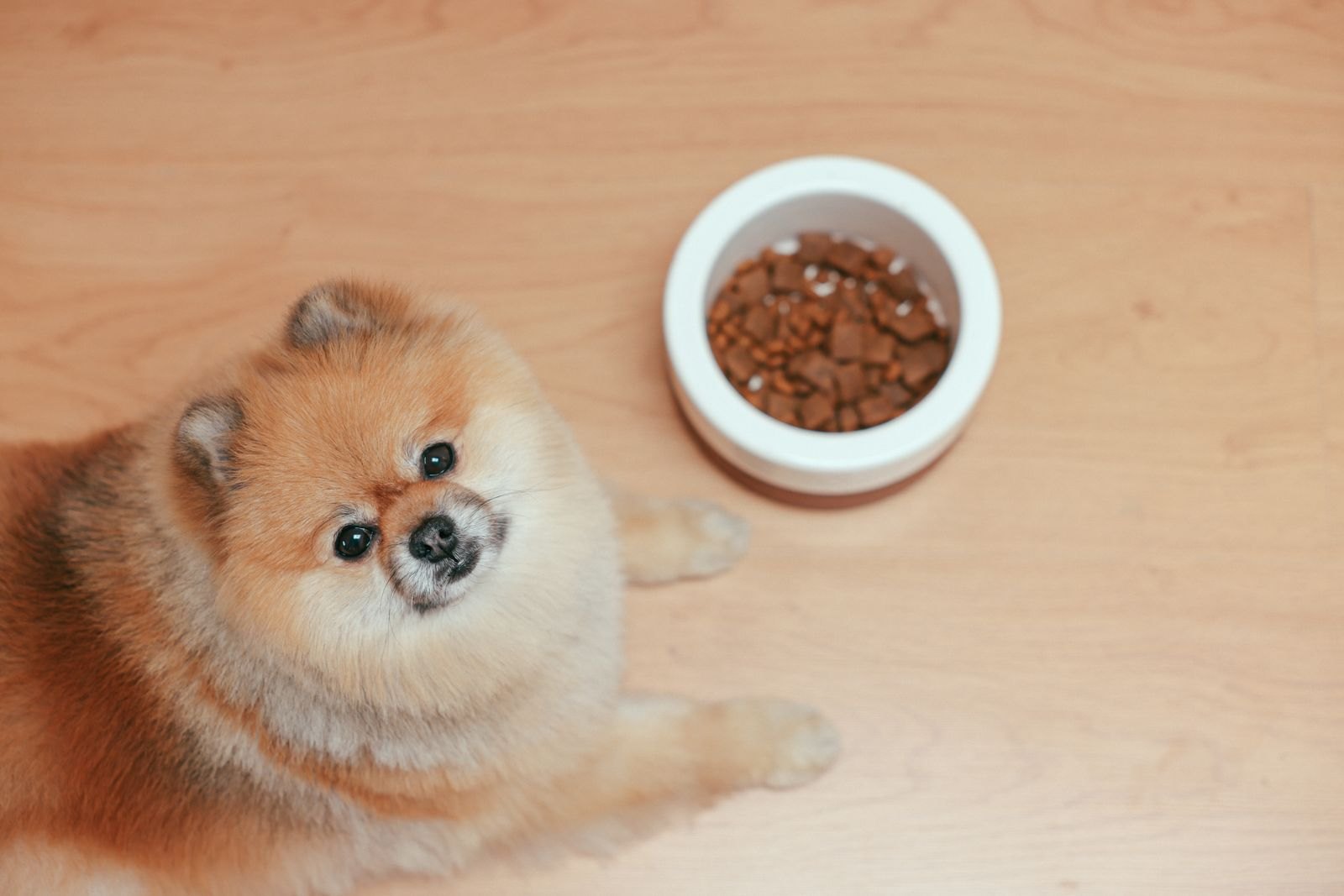
A food switch can look like it's going fine for the first few days — then on day four or five, the diarrhea starts, or the vomiting, and it's tempting to blame the new food itself. Often the actual problem isn't the food, it's the speed of the switch. A dog can move onto a food that's perfectly appropriate for them and still get sick, simply because their gut wasn't given time to catch up.
The misconception: any "better" food is safe to switch to overnight
Most owners already know not to dump a new bag of food straight into the bowl, but the instinct usually stops at flavor swaps within the same line or a day or two of mixing. If the new food is higher quality, grain-free, or vet-recommended, it's easy to assume the dog's system will adjust on its own. A genuine formula change, a different protein source, fat content, or fiber blend, is a bigger shift for the gut than the label suggests, even when the new food is objectively a better long-term choice.
Why a fast switch actually causes GI trouble
A dog's gut microbiome isn't one fixed population of bacteria, it's a mix that shifts based on what it's regularly asked to digest. Bacteria that efficiently break down one protein or fat profile aren't necessarily the same ones equipped for a different one, and building up the right populations takes days, not hours. Switch too fast and the mismatch shows up as osmotic and inflammatory diarrhea, gas, or vomiting — not because the new food is wrong, but because the gut hasn't caught up yet.
This has a second, quieter cost: it muddies the signal. If a dog is later suspected of having a genuine food intolerance, working that out properly requires a controlled elimination diet over 8 to 12 weeks. A history of fast, uncontrolled switches makes it much harder to tell "this food doesn't agree with him" from "any fast switch doesn't agree with him" — two very different problems with very different fixes.
Some dogs are more exposed than others. Puppies under about 12 weeks, dogs with a history of sensitive digestion, seniors, and dogs recovering from a course of antibiotics all have less microbial reserve to draw on, so the same abrupt switch that a healthy adult dog shrugs off can hit them harder — occasionally severely enough to need veterinary attention.
The actual fix: a transition schedule that gives the gut time
- Use a 7-10 day ratio schedule — roughly 25% new/75% old for the first couple of days, 50/50 for the next few, 75% new/25% old after that, then fully switched.
- Extend it to 2-3 weeks for puppies, seniors, dogs with a history of GI sensitivity, or any dog that's just finished antibiotics.
- Track stool consistency day by day rather than judging the whole switch by one bad morning — mild, brief softening during the early ratio days is common and should trend back to normal as the ratio shifts.
- Ask a vet before adding plain canned pumpkin or another fiber support if stool doesn't firm up on its own within the schedule.
FAQ
Do I need to transition between flavors within the same brand and line?
Usually the shift is smaller, but a fast full swap can still cause loose stool in food-sensitive dogs — a shorter 3-4 day version of the same ratio approach is a reasonable middle ground.
What if my dog won't eat the new food mixed in?
Some dogs are put off by mixed textures or smells. Separating the two foods into different small portions at the same meal, rather than mixing them in one bowl, sometimes solves it without abandoning the gradual approach.
Mild, brief stool softening during a properly paced transition is common and not usually a reason to worry. Vomiting that continues past a day, diarrhea with blood, lethargy, or a dog that won't eat at all for more than 24 hours are different — those call for a vet visit rather than assuming it's just transition upset, since the same symptoms can also point to something the food switch had nothing to do with.
Related articles
 4 min read4 views
Grain-Free Dog Food Isn't the Heart-Safe Bet It Sounds Like
Grain-free dog food isn't automatically heart-healthy. Here's what the FDA's DCM investigation actually found, and how to judge a diet by more than its label.
 5 min read2 views
Why Are Chocolate and Grapes So Dangerous for Dogs?
A dropped grape or square of chocolate looks harmless, but for dogs both can trigger a real toxicology emergency, fast, not just an upset stomach.
 4 min read1 views