It's Not a Grudge — It's Redirected Aggression
A cat that suddenly attacks a housemate or owner isn't holding a grudge. Here's the real mechanism behind redirected aggression, and how to fix it safely.
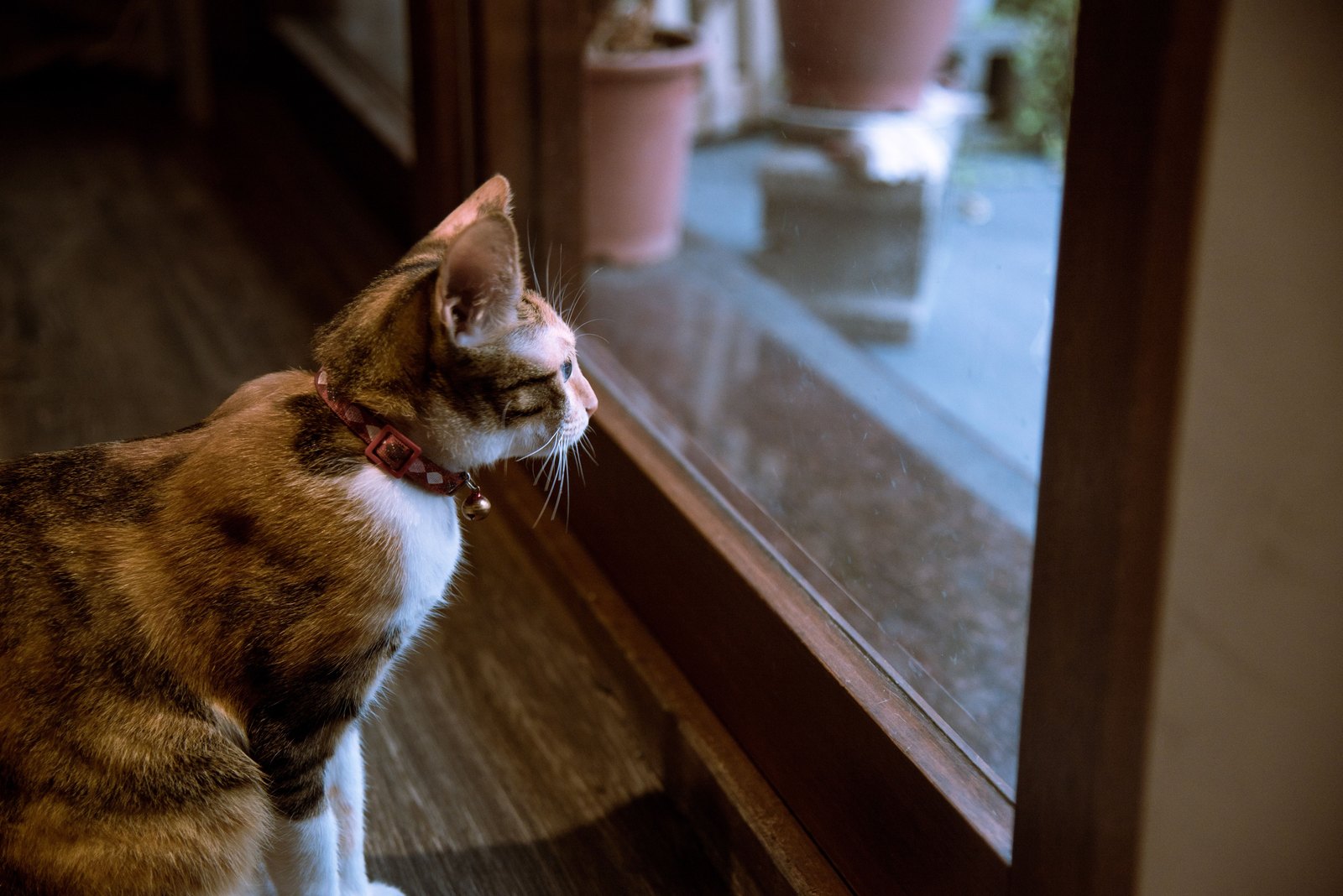
One cat is sitting at the window, perfectly still except for a flicking tail, watching a strange cat cross the yard outside. A minute later, a housemate cat wanders past the room — and gets slammed into, hissed at, and chased down a hallway with zero warning. It looks like the two cats suddenly fell out, but the actual fight was never between them. This is redirected aggression, and it's one of the most misread behaviors in multi-cat homes.
It's not a grudge — it's redirected aggression
When a previously easygoing cat attacks a housemate or even its own owner out of nowhere, the instinct is to assume something changed — a personality shift, a power struggle, one cat suddenly "bullying" the other. AAFP feline behavior guidelines describe this pattern as redirected aggression, a well-recognized and entirely normal feline behavior — not a grudge, not dominance, not a permanent change in who that cat is. It happens because the cat got aroused by something it couldn't actually reach.
Why it's actually happening: arousal with nowhere to go
The trigger is almost never the cat that gets attacked. It's a stray cat outside a window, an unfamiliar sound, a strange scent, or another animal the cat can see or hear but not physically confront. That inability to reach the real source doesn't lower the arousal — it keeps building, and the cat's sympathetic nervous system stays in a heightened state well after the trigger is gone. Veterinary behavior sources note this arousal can persist anywhere from a few minutes to several days in more intense cases, which is exactly why an attack that happens an hour later on a housemate walking past looks completely random. The timing gap is what makes owners describe it as sudden or unprovoked — the connection to the actual trigger has already been lost by the time the attack happens.
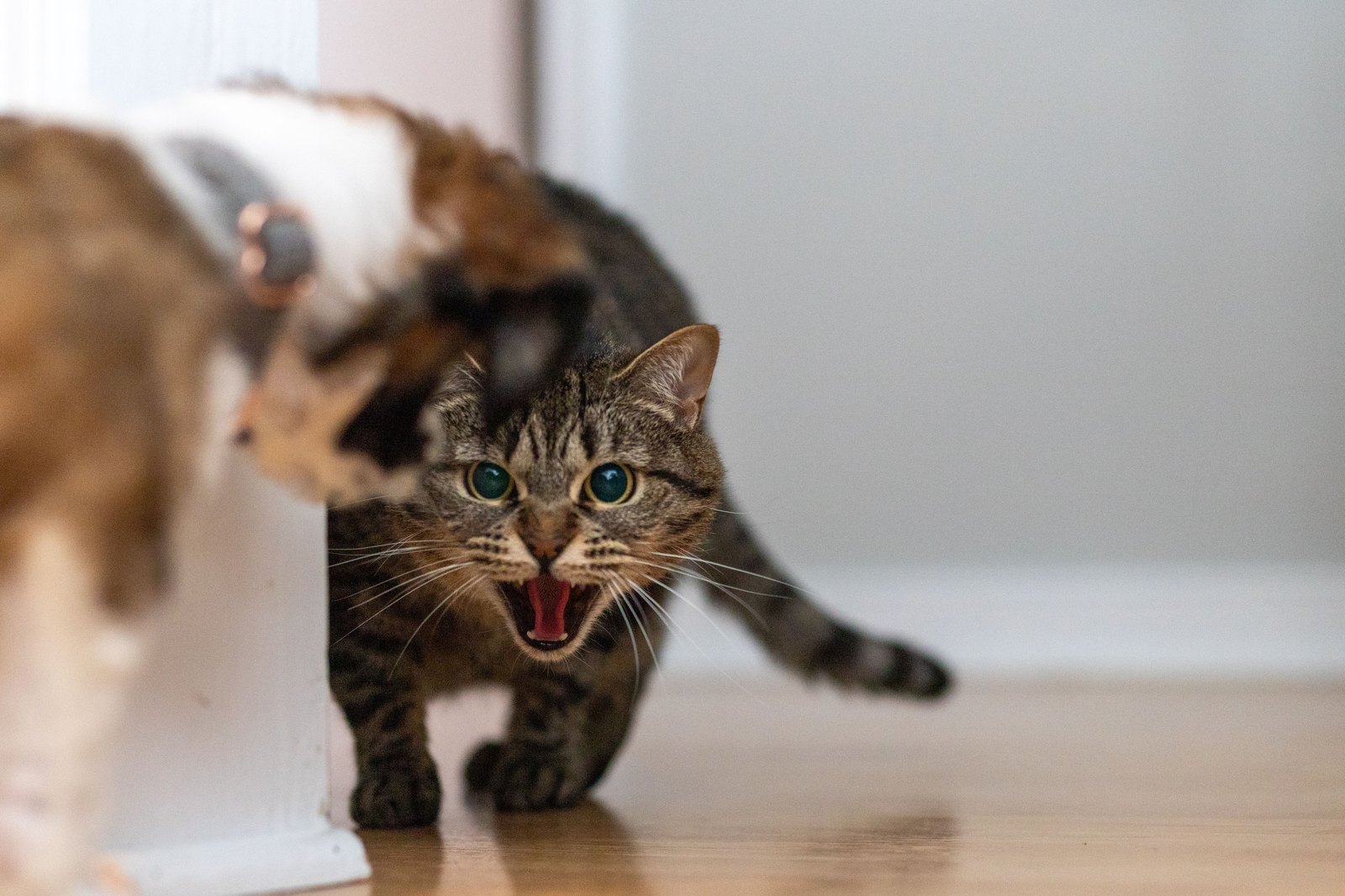
What happens next matters as much as the trigger itself. If the cats are forced back together immediately, or the aggressor is punished or yelled at, the fear and arousal in the room only increase — and two cats that were previously bonded can develop a lasting rift that outlives the original stray cat by weeks or months. Veterinary behaviorists sometimes call this a social fracture, and it's largely preventable with the right response in the first few hours.
The actual fix: separate first, reintroduce slowly
- Don't physically intervene mid-event — use a barrier like a blanket, a piece of cardboard, or simply close a door, and let the aroused cat settle fully in a quiet, dim room. Give it real time, not just until it looks calm.
- If a fight happened, fully separate the cats with their own food, water, and litter box on each side — no forced contact.
- Reduce the outdoor trigger where you can: window film, closing blinds during peak wildlife hours, or deterring outdoor cats from the yard.
- Reintroduce gradually — swap bedding to exchange scent, feed the cats near a closed and then a cracked door, then allow brief supervised visual contact at a distance with treats or play, extending the time slowly over days.
- A synthetic feline facial pheromone diffuser is a studied product category that can help ease tension during the reintroduction period.
FAQ
My cats used to be inseparable — will they ever go back to normal?
Often, yes, with a careful and unhurried reintroduction. Rushing it to make everyone feel better faster is usually what turns a short-term scare into a long-term rift.
Should I punish the cat that attacked?
No — punishment adds more fear and arousal to an already overloaded nervous system, which tends to make future redirected aggression more likely, not less.
Next time a fight seems to come completely out of nowhere, ask yourself what was actually in view, in earshot, or in the air in the minute before it happened — that's usually where the real trigger is, even if it had nothing to do with the cat that got attacked. If the aggression is severe, keeps recurring, or the cats can't be safely reintroduced after a reasonable stretch, a veterinarian or veterinary behaviorist can assess the situation and may recommend support during the reintroduction process.
Related articles
 4 min read1 views
It's Not Spite — Here's Why Cats Actually Skip the Box
A cat avoiding the litter box isn't getting revenge. Here's the real checklist of causes, from box setup to the medical issues that need a vet first.
 4 min read1 views
4 Reasons Your Cat Scratches the Couch (It's Not Spite)
Furniture scratching isn't bad behavior to punish — it's a real feline need aimed at the wrong surface. Here's why cats do it and what actually redirects it.