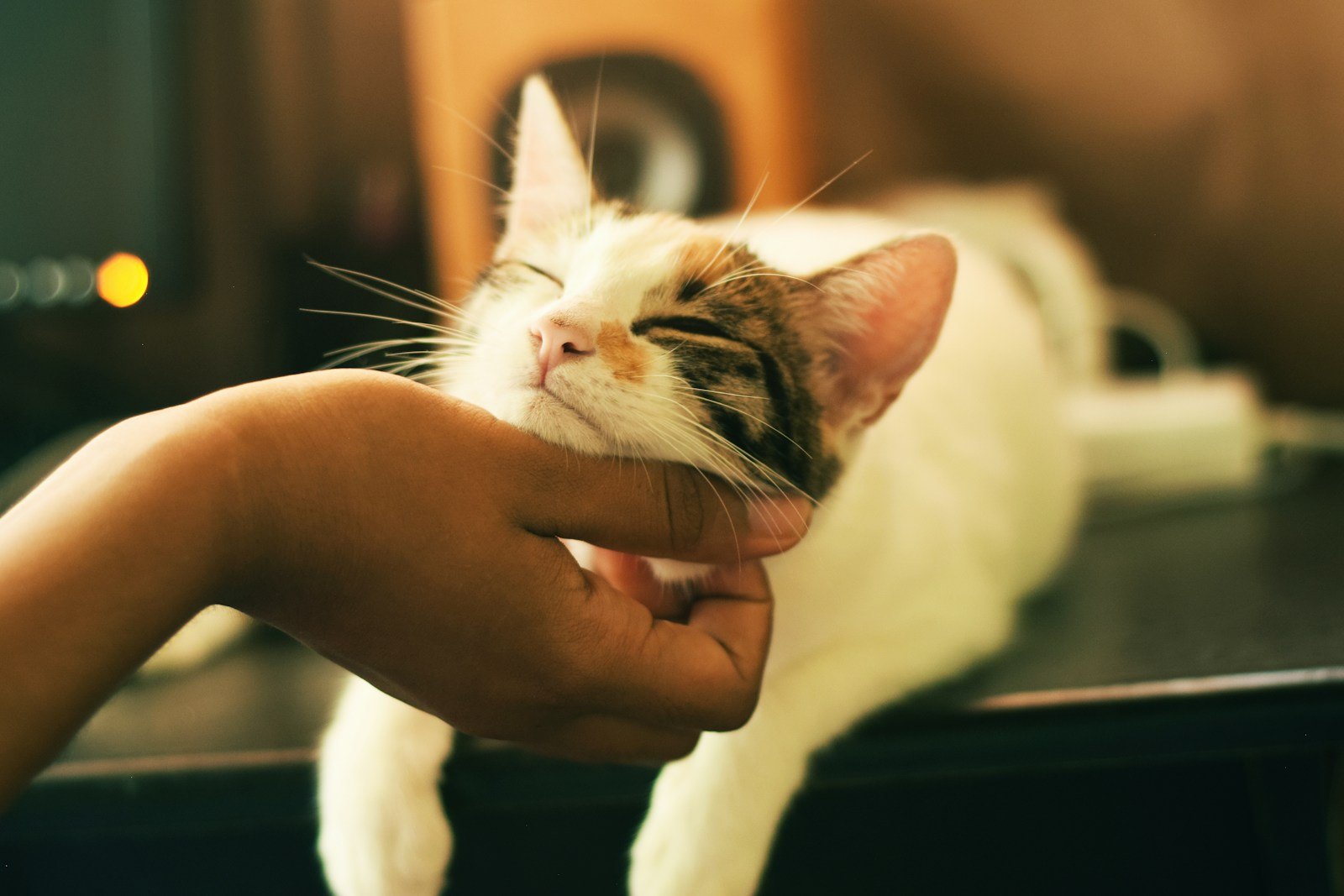
It's Not Spite — Here's Why Cats Actually Skip the Box
A cat avoiding the litter box isn't getting revenge. Here's the real checklist of causes, from box setup to the medical issues that need a vet first.

Finding urine on the bath mat or a pile outside the box feels personal, especially if it happened right after you left town or brought a new pet home. The instinct is to read it as payback. Cats don't work that way, and treating it as a discipline problem usually delays finding the thing that's actually wrong.
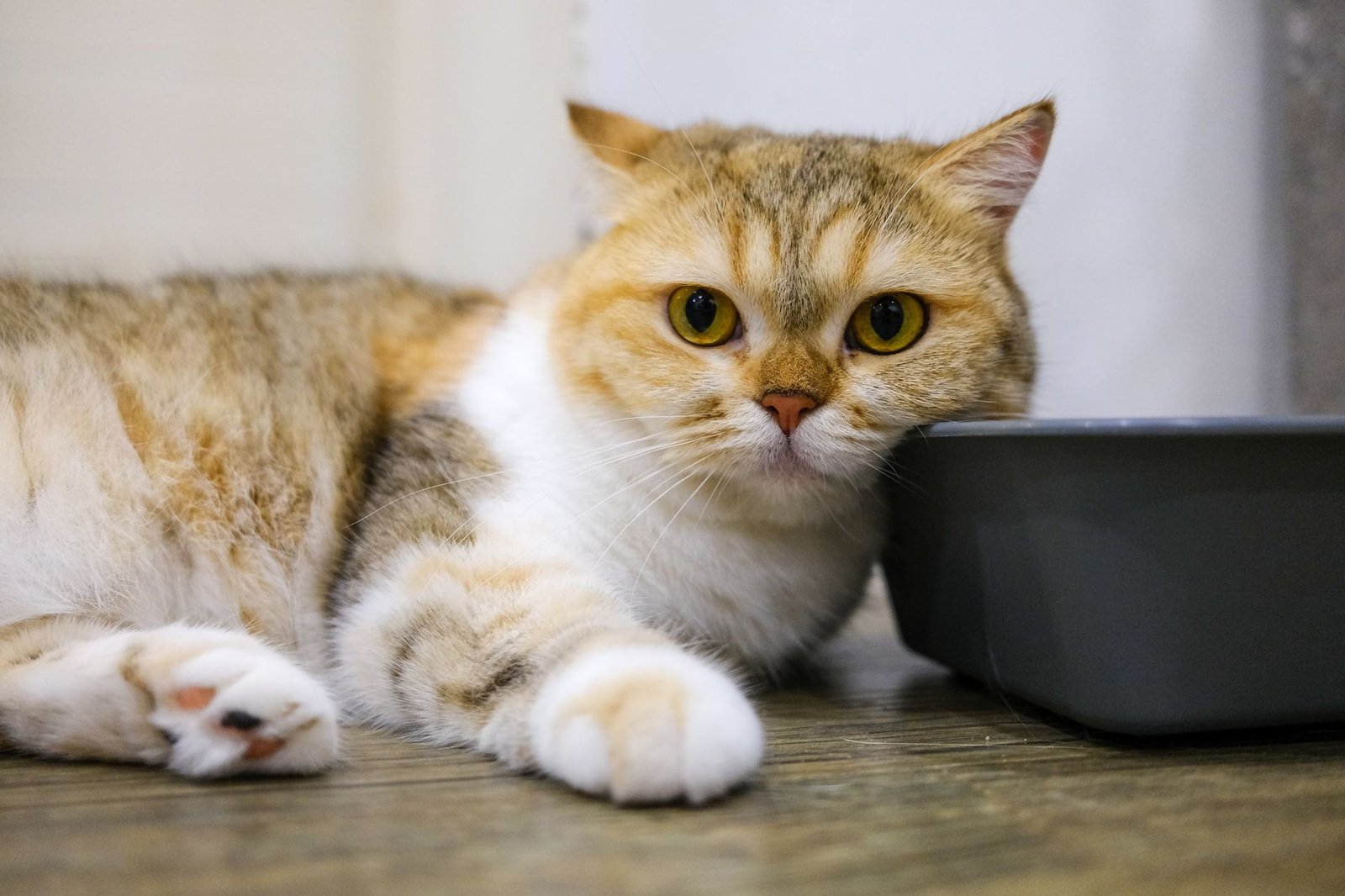
The misconception: it's spite
"My cat is peeing on my stuff to get back at me" is the most repeated explanation for house-soiling, and animal behaviorists reject it — spite requires a kind of retaliatory intent cats don't have. What looks like revenge, especially urine on a bed or a recently worn piece of clothing, is usually stress-driven scent-seeking toward objects that carry your scent, not punishment aimed at you. The timing feels accusatory because stressful events (a trip, a new pet, a new baby) are exactly what triggers the underlying anxiety — the correlation is real, the motive isn't.
Why it's actually a problem worth investigating
Vets separate two different behaviors that get lumped together as "litter box problems." Marking looks like a cat standing upright and depositing a small amount of urine on a vertical surface — a wall, a door, furniture legs. House-soiling looks like a cat squatting and depositing a larger amount on a horizontal surface, often somewhere that isn't the box at all. The two have different causes and different fixes, so figuring out which one you're seeing is the actual first diagnostic step.
For house-soiling specifically, the common drivers are box cleanliness (litter that isn't scooped often enough builds up an odor cats actively avoid), box count relative to the number of cats in the home, box placement and how easy it is to reach without crossing another cat's path, the litter substrate itself, and — in multi-cat homes — outright competition for a limited resource. Underneath all of that, a real medical cause (a urinary tract infection, bladder crystals, or kidney disease) can make urination painful enough that a cat starts associating the box itself with the pain and avoids it. House-soiling is not automatically a behavior problem — a real medical workup should come before you assume it's purely behavioral.
The actual fix: the checklist, in order
- Rule out medical causes first. Before spending time adjusting box count or litter type, a vet visit with at least a urinalysis is the step that actually confirms or rules out infection, crystals, or kidney involvement — fixing the setup won't help if the underlying cause is medical.
- Litter boxes, not just one. The commonly cited guideline among veterinary behaviorists is "n+1" — one box per cat, plus one extra — spread across separate locations rather than clustered in one room, so no single cat has to defend or compete for access.
- Size and substrate. A large, open litter box roughly 1.5 times the cat's body length gives them room to turn and dig, which a cramped or covered box often doesn't. Unscented, fine-grain clumping litter is generally the best-tolerated substrate — strong fragrances that seem pleasant to us are often the reason a cat avoids the box.
- Scoop daily. A box that smells clean to you can already be well past the threshold a cat will tolerate.
FAQ
Will moving the box fix it?
Sometimes, if the current placement is the problem — near a noisy appliance, at the end of a corridor another cat guards, or too close to food and water (cats generally avoid eliminating near where they eat). But relocating a box before checking cleanliness, count, and medical causes just changes one variable at a time when several might be involved.
Does punishing the cat after the fact help?
No. A cat doesn't connect a scolding minutes or hours later to something it did out of stress or pain — it just adds another stressor on top of whatever caused the avoidance in the first place, which tends to make the underlying problem worse, not better.
Litter box avoidance is a signal to investigate, not a behavior to punish. Run through the checklist above, and treat a same-day vet visit as non-negotiable rather than optional if you also notice straining, frequent trips to the box with little or no urine produced, vocalizing while urinating, or blood in the urine — in male cats especially, straining with little output can mean a blocked urethra, which is a true emergency, not a wait-and-see situation.
Related articles
 4 min read1 views
4 Reasons Your Cat Scratches the Couch (It's Not Spite)
Furniture scratching isn't bad behavior to punish — it's a real feline need aimed at the wrong surface. Here's why cats do it and what actually redirects it.
 5 min read1 views
Cat Overgrooming Isn't Always About Stress
Bald patches from overgrooming can mean stress, allergies, or hidden pain in cats — here's how to tell the difference and when a vet visit matters.