4 Reasons Your Cat Scratches the Couch (It's Not Spite)
Furniture scratching isn't bad behavior to punish — it's a real feline need aimed at the wrong surface. Here's why cats do it and what actually redirects it.
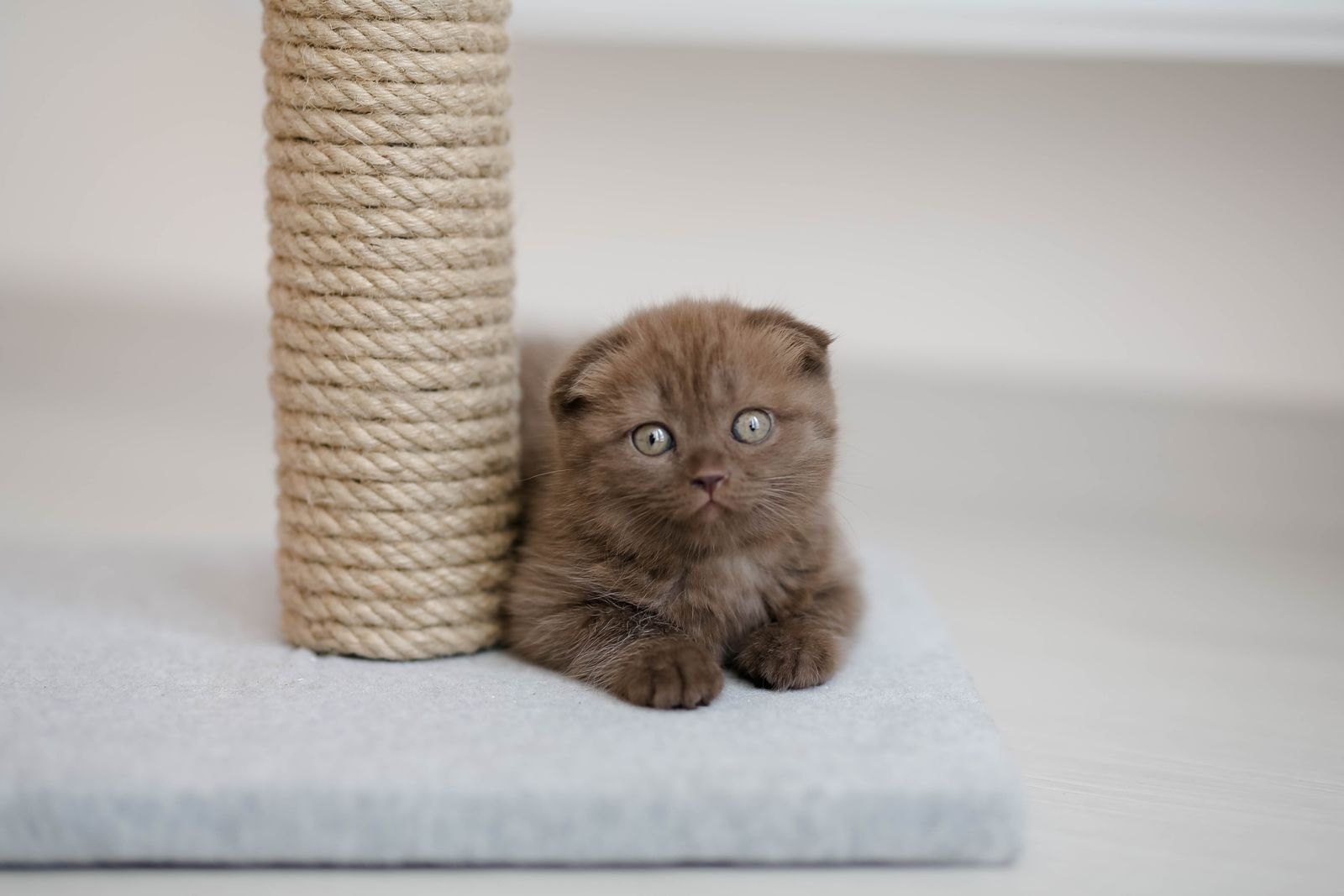
The couch arm is shredded again, right after you thought the spray bottle deterrent was finally working. It's tempting to read this as a cat being deliberately destructive, or getting back at you for something. Scratching furniture isn't misbehavior, though — it's a normal, necessary cat behavior that's simply landed on the wrong surface, and treating it as something to punish usually just changes when your cat scratches, not whether they do.
The misconception: it's boredom, spite, or bad manners
"My cat is destroying the furniture out of boredom" or "acting out" are the two most common explanations owners reach for, and both miss what's actually happening. Scratching is an instinctive, ongoing need — not a phase a cat grows out of, and not a behavior aimed at getting a reaction from you. Yelling, spraying with water, or otherwise punishing a cat in the act doesn't teach them scratching is off-limits; cats are quick learners about when a punisher is present, so the more common outcome is a cat that scratches the same furniture when you're not in the room, which makes the actual problem harder to notice and fix, not easier.
Why it's actually about scent and physical need, not the couch specifically
Cats have scent glands located between their paw pads that release pheromones every time they scratch. That means scratching leaves two signals at once: a visual mark from torn material, and a chemical one from the glands — both deliberately placed along routes the cat travels often, as a way of communicating territory to other cats in the household or nearby. Furniture becomes a target precisely because it fits what a cat is drawn to: a stable, reachable vertical surface, positioned somewhere the cat passes regularly, and — once it's been scratched once — already carrying a faint trace of the cat's own scent, which makes it more likely to get scratched again.
There's also a purely physical function that has nothing to do with marking: scratching removes the worn outer sheath from the claws, and it lets a cat get a full-body stretch through the shoulders and back that's hard to replicate any other way. Both needs continue whether or not an appropriate scratching surface is available — which is exactly why simply removing access to furniture, without providing a real substitute, doesn't make the underlying drive go away.
The actual fix: give the instinct a better target
- Sisal-wrapped scratching post. Sisal's rough, coarse texture is generally the material cats gravitate to on their own with the least coaxing, and it holds up to repeated scratching far better than softer materials.
- Skip carpet-covered posts. Carpet frays and sheds with use, and it sends a confusing signal — a cat has no way to distinguish a carpet-covered scratching post from the living room carpet it's not supposed to touch, which can undercut the redirection you're trying to teach.
- Placement matters as much as material. Put the post near where your cat already scratches or naps, and near well-used pathways like entryways or the spot where rooms open into each other — a post tucked in an unused corner gets ignored regardless of how good the material is.
- Never rely on declawing as the fix. The American Veterinary Medical Association characterizes declawing as an amputation and major surgery, not medically necessary in the large majority of cases, and actively promotes non-surgical alternatives — regular nail trims and vinyl nail caps among them — instead.
FAQ
How many scratching posts does my cat actually need?
More than one if your home has multiple levels or rooms your cat spends real time in — a single post in one corner of the house won't intercept scratching that happens to a couch on a different floor.
What if my cat already prefers the couch and ignores a new post?
Placement near the existing target helps, and so does making the post itself more appealing (some owners use catnip, though it doesn't adhere to sisal as easily as it does to cardboard or wood) — moving a new post gradually closer to the post's final spot over a week or two, rather than starting far away, also tends to work better than an abrupt swap.
A sudden increase in scratching intensity, scratching to the point of self-injury, or new scratching paired with aggression is worth a vet or certified feline behaviorist visit rather than another round of redirection — it can point to pain (arthritis is a commonly overlooked cause in cats) or a stress source that needs addressing directly, not just a habit to manage.
Related articles
 5 min read1 views
Cat Overgrooming Isn't Always About Stress
Bald patches from overgrooming can mean stress, allergies, or hidden pain in cats — here's how to tell the difference and when a vet visit matters.
 4 min read1 views
Why Does My Cat Bite Me While I'm Petting Her?
The switch from purring to biting isn't random moodiness. Here's the overstimulation threshold behind it, the warning signs, and how to keep petting comfy.
 3 min read1 views