Why Do Cats Fall From Windows They've Used for Years?
Great balance and years of windowsill habit don't make a screen pet-proof. Here's the prey-drive trigger behind cat window falls, and what stops it.
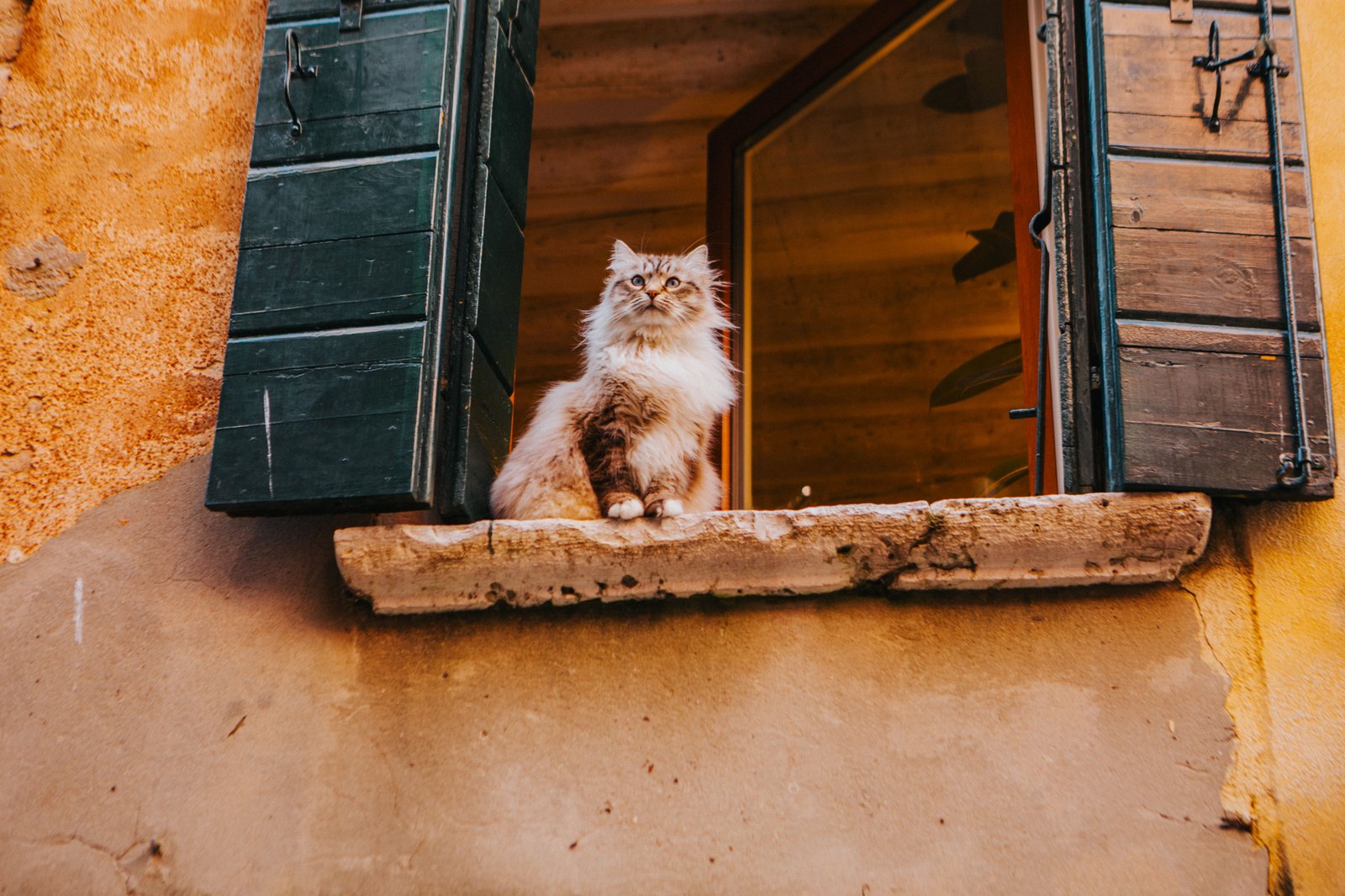
Your cat has walked that same windowsill dozens of times — up, along the edge, back down — without so much as a wobble, so it stopped registering as a risk a long time ago. Then a pigeon lands on the ledge outside, or a moth zigzags past the screen, and the same cat that's never once slipped goes straight through the gap. Balance was never actually the thing protecting your cat — the screen was, and most screens aren't built for that job.
The misconception: good balance means a safe window
It's an easy assumption to make. Cats are famous for balance, for landing on their feet, for treating a two-inch ledge like a sidewalk. Owners extend that reputation to windows and conclude that an animal this coordinated isn't going to fall out of one. The screen itself reinforces the same wrong idea — it's physically there, it looks like a barrier, so the window reads as "closed" even when it's wide open behind a thin layer of mesh.
Most standard window screens are engineered to keep insects out and rain from blowing in, not to hold back four to six kilograms of a cat lunging forward. They're usually seated in the frame with a few plastic clips or a thin spline of rubber cord — enough tension for wind, not enough to survive a sudden shove. A screen that looks perfectly intact can pop out of its track with one hard push.
Why it's actually happening: prey drive overrides the caution balance depends on
The trigger is rarely a loss of coordination. It's a bird landing on a ledge, a squirrel running along a branch, an insect crossing the screen at close range — anything that fires a cat's prey drive hard enough to override its normal caution around edges. In that half-second of fixation, a cat that has calmly navigated the same windowsill for years lunges forward without registering what's actually between it and the outside air.
What happens next is genuinely counterintuitive. Veterinary reviews of cats that fall from height — a pattern researchers call feline high-rise syndrome — have found that survival and injury severity don't scale the way most owners would guess. Cats have a righting reflex: a flexible spine paired with an inner-ear balance system that lets a falling cat rotate feet-down mid-air, and once oriented, it can spread its legs out to slow the descent. Past a certain number of floors, that reflex has time to fully engage, which is part of why falls from very high floors don't automatically produce worse injuries than falls from just a few floors up — and in some case reviews, falls in the two-to-six-floor range, where there's less time to right and brace, showed up as the more dangerous end. None of this makes any fall safe. Fractured jaws, chest trauma, and pelvic injuries show up constantly even in cats that technically "landed fine," because the mechanism that reduces some impact force doesn't cancel out the impact itself.
The actual fix: treat the barrier, not the balance, as what protects your cat
The fix isn't training a cat to be more careful — prey drive isn't something obedience overrides mid-lunge. It's replacing the assumption that any mesh sitting in the frame counts as pet-proofing. Pet-rated window and balcony screens anchor into the frame itself rather than relying on clips alone, and they're built to resist an animal pushing against them, not just wind pressure. Balcony netting is a well-established product category for exactly this scenario — a discreet mesh barrier mounted along railings and gaps that stops a cat mid-lunge instead of after the fall.
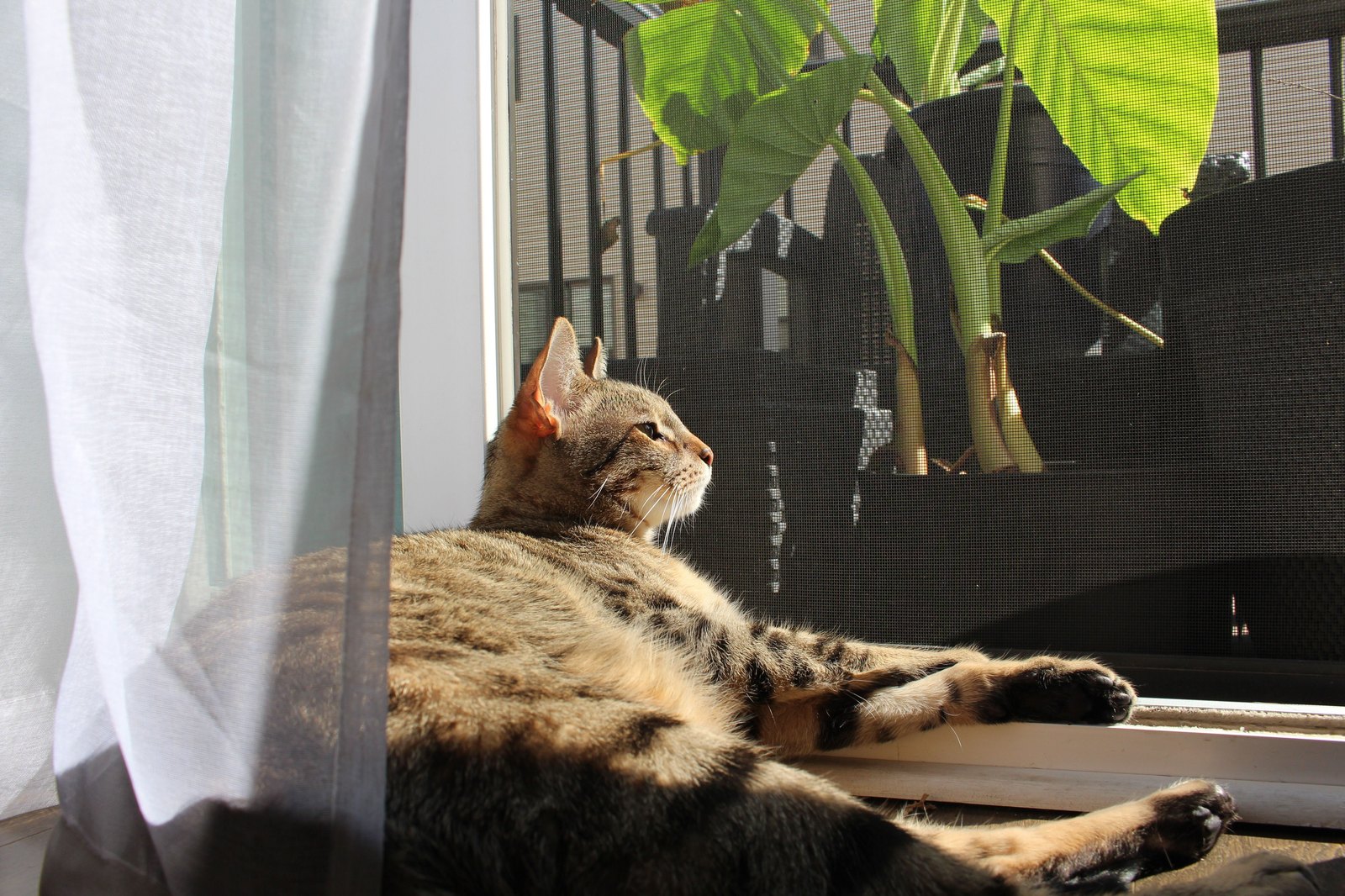
- Upgrade, don't assume — a screen already in the window isn't automatically load-bearing; check whether it's rated to hold an animal's weight before trusting it.
- Use a window wedge or restrictor so windows can only open a few inches for airflow, never fully, especially during open-window weather or bird migration season.
- Add balcony netting to any railing with gaps wider than your cat's head, not just the ones that look obviously large.
- Push on an existing screen with your hand periodically — one that pops out under light pressure won't hold under a real lunge.
FAQ
My cat has never tried to go through the screen before — do I still need to upgrade it?
Yes. The absence of a past incident reflects the absence of a strong-enough trigger so far, not a screen that's actually secure. One convincing bird is often all it takes.
Is a fall from a higher floor actually less dangerous, then?
Not in any way that makes it safe to rely on — the righting reflex reduces some impact force at greater heights, but severe injuries and deaths still happen at every floor level, and it isn't a trade worth testing.
Before the next warm day brings the windows open, spend five minutes on one check: push firmly on every screen in the house with the flat of your hand, the way a startled cat would hit it mid-lunge. If it flexes, pops, or shifts in its track at all, that's the one to replace or reinforce before it gets tested for real. Any fall from a window or balcony is worth a same-day veterinary check even if the cat looks fine afterward — injuries like fractured jaws or internal bleeding aren't always visible right away.
Related articles
 3 min read1 views
4 Signs Your Cat's Home Needs More Vertical Space
A bigger apartment doesn't automatically mean a happier cat. Here's why height matters more than floor space, and how to add it without a full room makeover.
 5 min read1 views
Slow Feeders vs. Raised Bowls: What Fast Eating Really Risks
Raised bowls were once recommended to prevent bloat in large dogs — research says otherwise. Here's what eating speed really means for dogs and cats.