Skipping a Safe Space Is Secretly Worsening Storm Fear
Comforting a scared dog doesn't reward the fear, but skipping a safe space during storms and fireworks can let that fear quietly build. Here's what helps.
Every neighborhood has a dog that goes still and wide-eyed at the first rumble of thunder, or a cat that vanishes under the bed the moment the first firework cracks outside. The common instinct is to treat this as a quirk the pet will grow out of, or something you shouldn't fuss over too much for fear of 'making it worse.' Neither is accurate. Noise fear in dogs and cats is a real, well-documented welfare issue — and how you handle it, event after event, has a measurable effect on whether it fades or builds.
The misconception: it's just a phase, and comfort makes it worse
Two ideas tend to run together. The first is that noise fear is a minor personality trait a pet will get used to with enough exposure — more storms, more fireworks nights, and eventually it stops bothering them. The second, more damaging idea is that comforting a frightened dog or cat during an episode 'rewards' the fear, teaching them that panicking gets them attention, so the instinct becomes to ignore the pet and let them ride it out alone in another room.
Why it actually matters: fear that isn't managed tends to build, not fade
Survey-based research on canine noise fear puts prevalence at roughly 17% to 50% of the pet dog population, depending on the study and how fear is measured. One large firework-fear survey following 1,225 dogs found more than half were affected to some degree, and nearly a third scored at the highest severity level — this isn't a rare quirk, it's a common welfare problem hiding in plain sight.
What matters more than the prevalence number is the trajectory. Research examining firework fear progression over time (published under the title 'Not a one-way road') found that while most affected dogs had settled by the next morning, a meaningful share took up to a week to recover, and a small percentage took weeks to months. That spread matters because it means noise fear isn't a fixed trait that simply exists or doesn't — left unmanaged across repeated storms and fireworks seasons, fear can compound rather than resolve on its own.
The comfort myth deserves a direct correction: fear is an emotional and physiological response, not a behavior a dog or cat performs to earn a reward. Veterinary behaviorists don't treat comfort as capable of reinforcing fear the way, say, a treat reinforces sitting on command — so withholding comfort during a scary event doesn't protect a pet from future fear, it just removes support they could have had in the moment. Cats complicate this further because they're more likely to hide quietly than pace or pant visibly, which means their fear often goes unnoticed and unaddressed entirely.
The actual fix: build the space before the season, not during the event
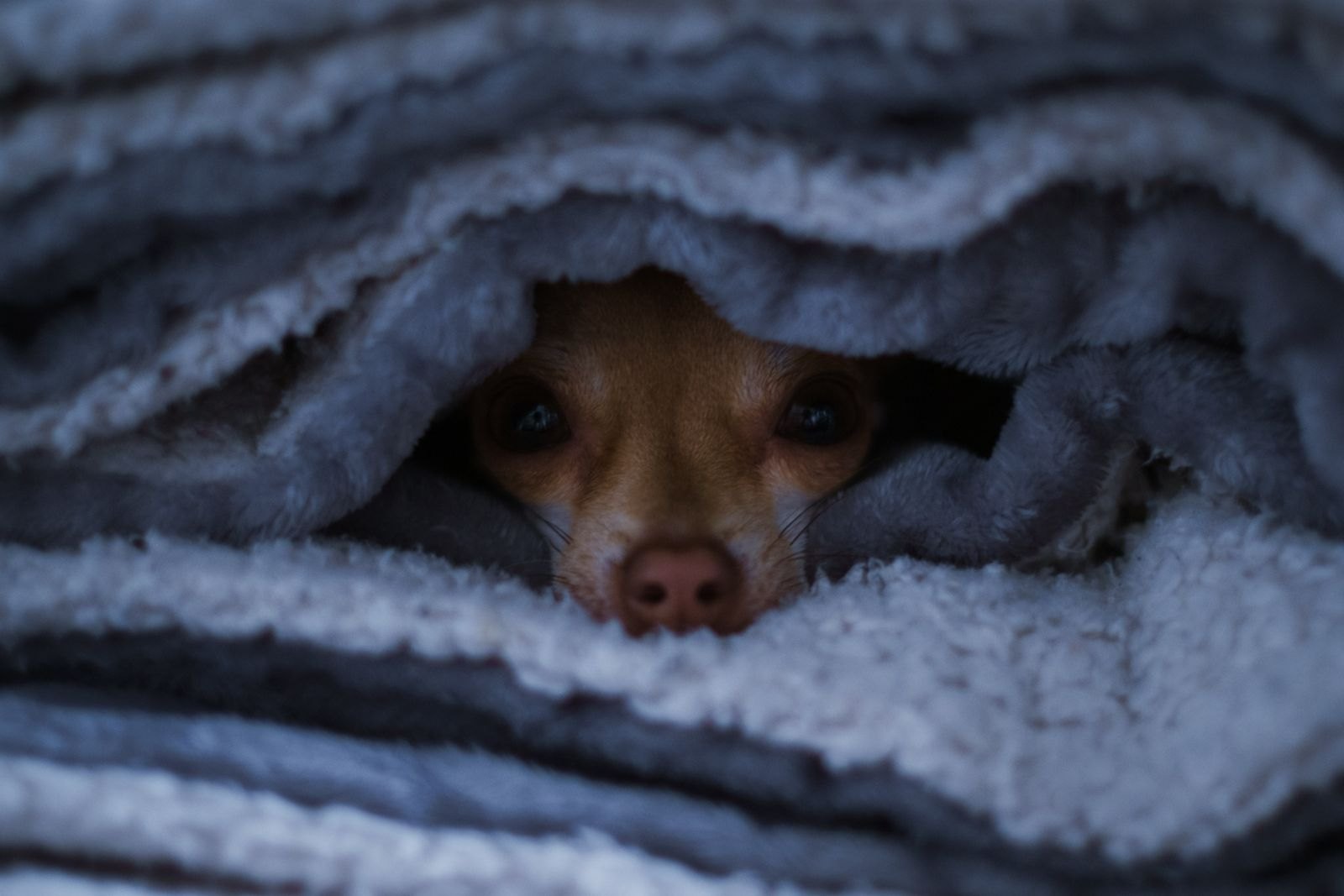
- Set up the safe space in advance. Choose an interior room your pet already knows well, away from windows, with familiar bedding already in it. A crate only works as a safe space if your pet already has a calm, positive association with it — introducing one for the first time during a storm won't help.
- Layer sound to mask the trigger. Running white noise together with calming music covers more of the frequency range than either alone, and gives the room a consistent background sound instead of unpredictable booms cutting through silence.
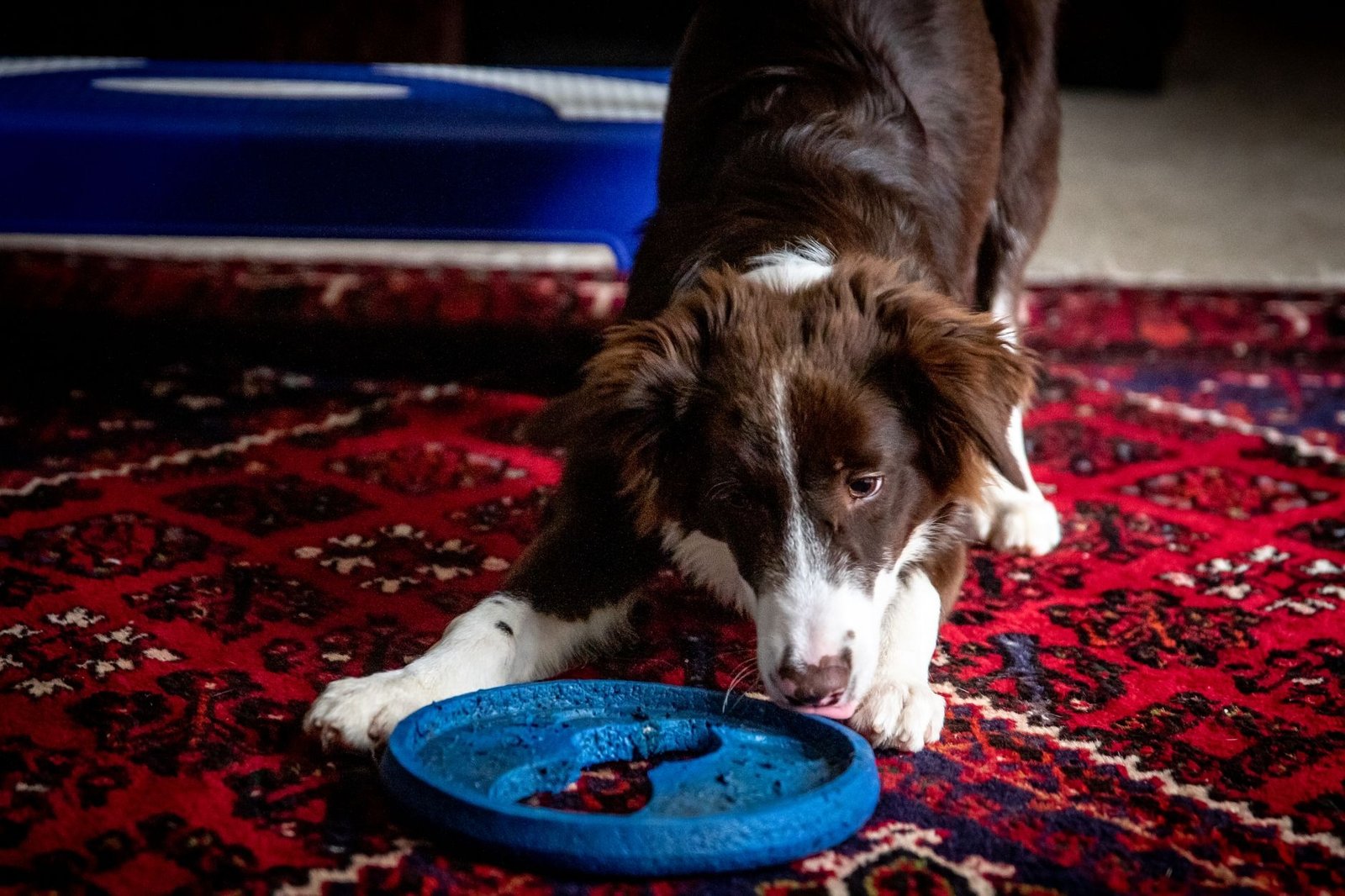
- Offer a long-lasting food puzzle or frozen treat toy during the event — not as a bribe to 'earn' calm behavior, but as a positive activity that gives your pet something to focus on besides the noise.
- Plan ahead of predictable events. Before a known fireworks holiday or forecast storm, ask your vet about a pheromone diffuser, a compression wrap, and — for pets with more severe reactions — a fast-acting situational anti-anxiety medication such as trazodone or gabapentin, so it's already on hand rather than something you're scrambling for mid-panic.
- Address the pattern, not just each event. If the fear shows up every season, ask your vet about a referral for a desensitization and counterconditioning plan with a certified behavior consultant — this is the piece that can actually reduce the fear over time, rather than just getting your pet through tonight.
FAQ
My dog seems totally fine during storms — do they still need a safe space set up?
Some pets show only subtle stress signs (lip licking, yawning, seeking out a person) rather than obvious panic, so it's worth watching closely during the next storm before assuming they're unaffected. Having a safe space ready costs little either way.
Will using a compression wrap or pheromone diffuser make my pet dependent on it?
No — these are management tools, not medication with withdrawal effects, and can be used as needed for specific events without building tolerance or dependence.
If your dog or cat shows destructive escape attempts, self-injury, extreme drooling or panting, or the fear seems to be getting more intense each season rather than staying the same, talk to your vet or a veterinary behaviorist about a structured plan rather than continuing to just manage each individual event as it comes.
Related articles
 3 min read0 views
4 Signs Your Cat's Home Needs More Vertical Space
A bigger apartment doesn't automatically mean a happier cat. Here's why height matters more than floor space, and how to add it without a full room makeover.
 5 min read0 views
Slow Feeders vs. Raised Bowls: What Fast Eating Really Risks
Raised bowls were once recommended to prevent bloat in large dogs — research says otherwise. Here's what eating speed really means for dogs and cats.