Your Houseplants Could Be Secretly Poisoning Pets
That trendy pothos or lily on the windowsill looks harmless, but common houseplants are a real cause of at-home pet poisoning calls. Here's why.
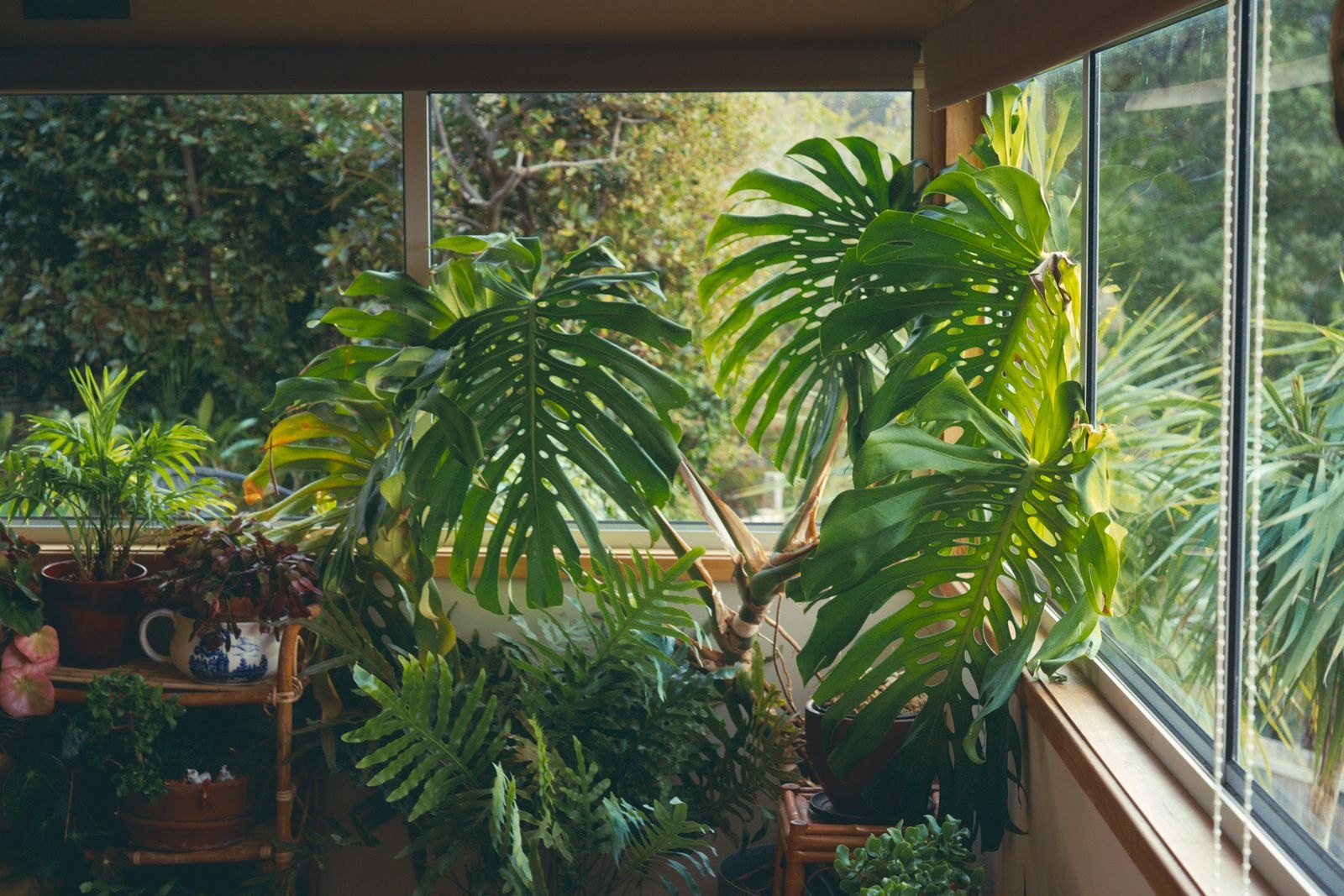
Trailing pothos, a monstera in the corner, a bouquet of lilies on the kitchen table — the indoor plant trend has made most living rooms look like a small greenhouse, and most of that shopping happens without anyone checking whether the plant is safe to have around a cat or dog. Common houseplants are a genuine, recurring cause of at-home pet poisoning calls, and the risk ranges from mild mouth irritation to, in one specific and serious case, acute kidney failure in cats.
The misconception: “my pet would just know to leave it alone”
It's a comforting assumption — that an animal's instincts would stop it from eating something genuinely dangerous — but it doesn't hold up in practice. Curiosity, boredom, teething in young animals, and simple texture appeal drive a lot of plant-chewing, independent of whether the plant is actually safe, and cats in particular are drawn to batting at and nibbling trailing leaves regardless of what's in them. Some toxic plants even have a mildly appealing taste that does nothing to discourage a second bite.
Why it's actually happening: two very different mechanisms, two very different risk levels
Most of the trendiest houseplants — pothos, philodendron, monstera, and peace lily among them — contain insoluble calcium oxalate crystals in their leaves and stems. Chewing releases these microscopic, needle-like crystals directly into the mouth and throat tissue, causing immediate pain, drooling, pawing at the face, and sometimes vomiting. It's unpleasant and can look alarming, but for most healthy pets it isn't life-threatening — the sharp pain itself usually stops the animal from eating enough to cause serious harm.
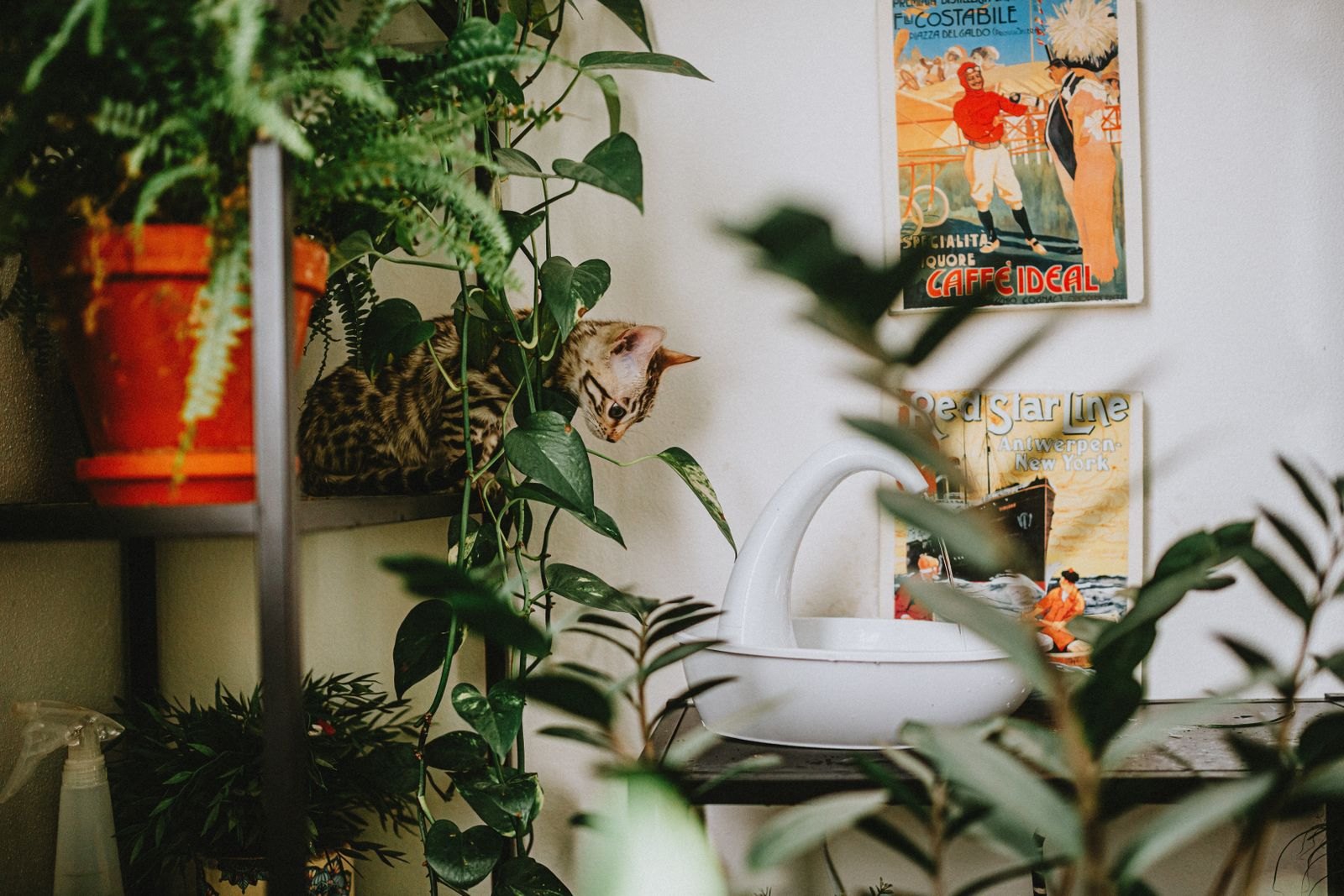
True lilies are a completely different and far more dangerous category, and the distinction matters: plants in the Lilium and Hemerocallis genera (Easter lilies, tiger lilies, day lilies, and similar) are specifically and severely toxic to cats — not dogs, cats specifically — in a way that has nothing to do with the oxalate crystal mechanism above. Even a small exposure (a few petals, some pollen groomed off fur, or drinking water from the vase) can cause acute kidney failure in a cat within days, and it's one of the few plant exposures that's a genuine veterinary emergency rather than a “watch and see” situation.
The actual fix: check before you buy, not after
Cross-checking a plant against a pet-safe list before bringing it home (the ASPCA maintains a searchable database of toxic and non-toxic plants) takes a few minutes and avoids the guesswork entirely — it's a far more reliable habit than trying to remember which plants are risky from memory.
- True lilies (Lilium/Hemerocallis) don't belong in any home with a cat — not just out of reach, since pollen and vase water alone are enough to cause kidney failure.
- Oxalate-containing plants (pothos, philodendron, monstera, peace lily, dieffenbachia) are lower-risk but still worth placing where a bored or teething pet can't reach — hanging planters or rooms with the door closed.
- Watch for drooling, pawing at the mouth, or vomiting right after chewing (oxalate irritation) versus lethargy, reduced appetite, or not urinating over the following days (a possible kidney emergency) — the second pattern needs a veterinarian immediately.
- Pet-safe alternatives with a similar trailing or leafy look include spider plants, areca palms, and calatheas, so switching doesn't mean giving up the look.
FAQ
My cat already chewed a pothos leaf and seems fine — should I still worry?
Mild drooling or a brief episode of pawing at the mouth after chewing an oxalate-containing plant like pothos usually resolves on its own, but persistent vomiting, drooling, or refusal to eat afterward is worth a call to a veterinarian.
Are cut flower bouquets from a grocery store just as risky as potted plants?
Yes — bouquets frequently include true lilies without any labeling, so any home with a cat should check bouquets the same way as potted plants before bringing them inside.
Before buying another plant or accepting a bouquet, take five minutes this week to actually walk through the home and cross-check what's already there against a pet-safe plant list — it's a small habit that closes off one of the more overlooked hazards in an otherwise pet-proofed home. Any home with a cat should treat true lilies as a hard no, not a “keep it out of reach” maybe, and any sudden lethargy or drop in appetite after a plant exposure is worth a same-day call to a veterinarian rather than a wait-and-see approach.
Related articles
 3 min read0 views
4 Signs Your Cat's Home Needs More Vertical Space
A bigger apartment doesn't automatically mean a happier cat. Here's why height matters more than floor space, and how to add it without a full room makeover.
 5 min read0 views
Slow Feeders vs. Raised Bowls: What Fast Eating Really Risks
Raised bowls were once recommended to prevent bloat in large dogs — research says otherwise. Here's what eating speed really means for dogs and cats.
 4 min read0 views