Cat Chattering at Birds Isn't a Quirk — It's Instinct
That clicking jaw sound your cat makes at the window isn't random. Here's what behaviorists think is actually going on, and when it's worth a vet check instead.
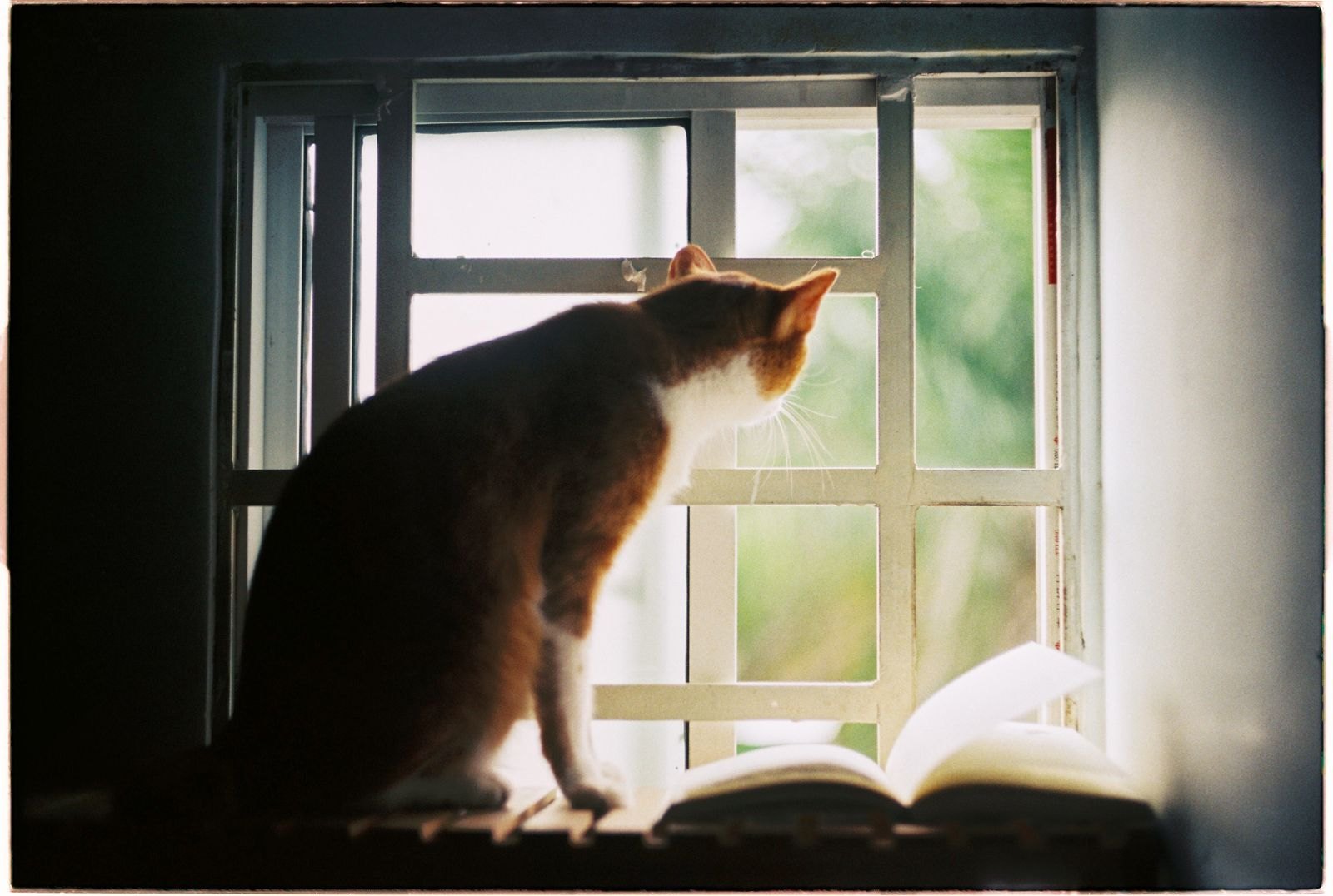
Your cat spots a bird on the feeder outside, freezes into a crouch, and starts making a rapid clicking sound with their jaw while their tail twitches like it has its own heartbeat. That chattering sound isn't a random tic or a sign of frustration alone — most behaviorists tie it directly to your cat's hunting instinct kicking into gear with nowhere to go.
The misconception: it's just a silly, meaningless quirk
Chattering (sometimes called chirping or twittering) looks strange enough — the rapid jaw movements, the odd clicking sound — that owners often file it under 'cats do weird things' without wondering what's actually going on, or worry it's a sign of stress or aggression. Neither read is quite right: the behavior is tied to something specific, even though the exact mechanism isn't fully settled science.
Why it's actually happening: a predatory reflex with nowhere to land
The leading explanation among cat behaviorists connects chattering to predatory instinct. Indoor cats keep the full hunting drive of their wild ancestors even without anything to actually hunt, and a bird or squirrel on the other side of a window is a powerful trigger for that drive — the crouched posture, fixed stare, and twitching tail are all textbook stalking behavior. The chattering itself is often described as a mix of intense excitement and frustration: the prey is right there, fully engaging the hunting sequence, but the glass makes the final pounce impossible. Some researchers have noted the jaw movement resembles the motion of a cat's actual killing bite, the quick nape bite used to dispatch small prey, which has led to a theory that chattering may be an involuntary rehearsal or redirection of that motor pattern when the sequence can't be completed.
A second, less confirmed theory suggests chattering could be an attempt to mimic prey sounds to draw them closer, though this idea has less research behind it than the frustrated-predation explanation. Either way, the behavior is a sign of a cat's instincts fully switching on, not confusion, stress, or aggression toward anything nearby — it's genuinely just excitement about instincts triggered by prey they can't reach.
The actual fix: give the instinct somewhere real to go
- There's nothing to correct here — chattering at birds through a window is completely normal and doesn't need to be stopped, only understood.
- Since window-watching only lets a cat engage the looking-and-stalking part of the hunting sequence, pairing it with interactive play — a wand toy that mimics erratic prey movement — gives the rest of that instinct an actual outlet.
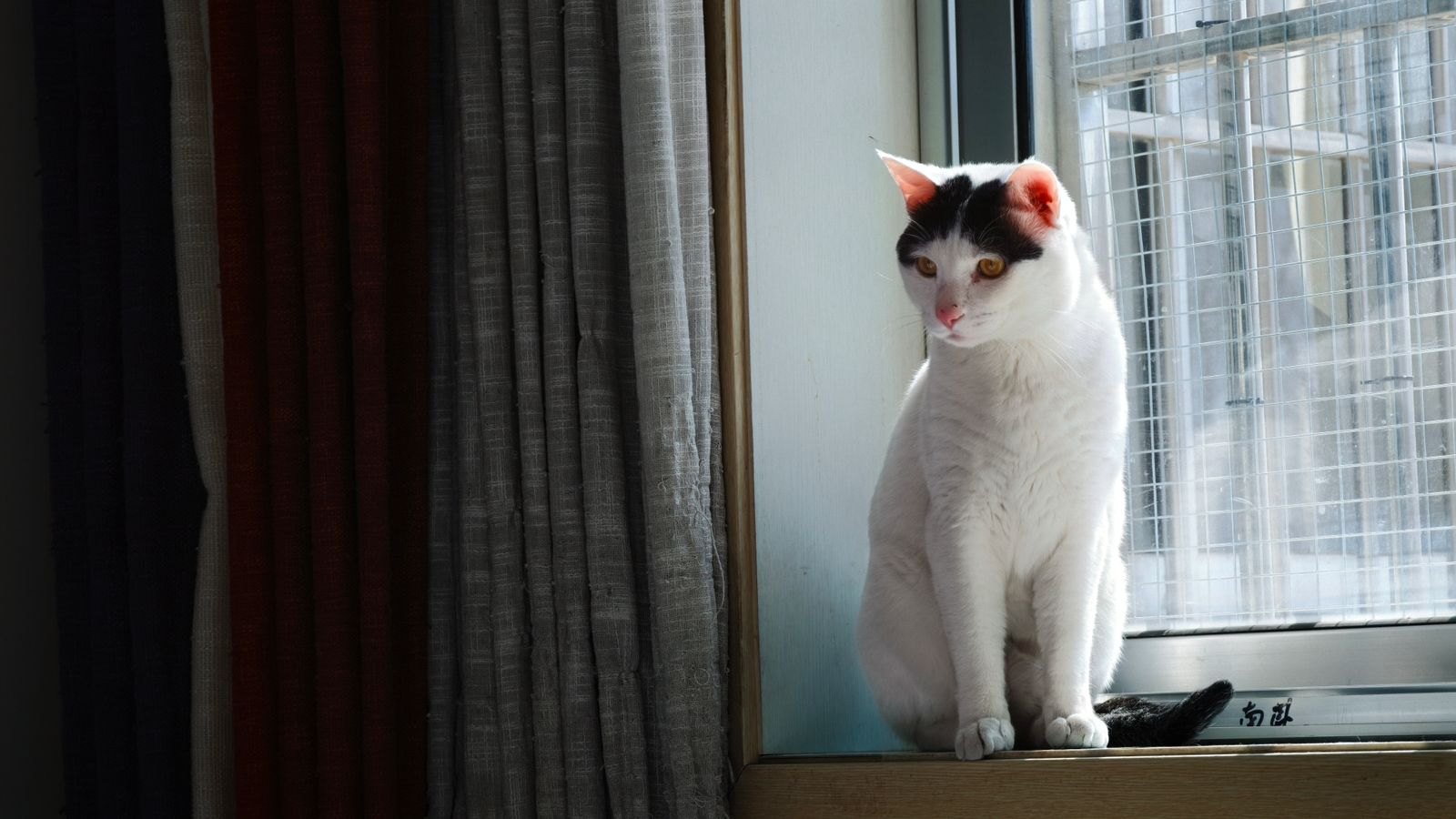
- A stable window perch near a bird feeder placed a safe distance away turns the window into enrichment on its own, giving a cat something to watch and react to throughout the day.
- Puzzle feeders that make a cat 'work' for food tap into a related part of the same drive when live prey-watching isn't available.
FAQ
Does chattering mean my cat is stressed or upset?
Generally no — paired with a fixed stare at prey through a window and a twitching tail, it reads as excitement and frustrated hunting drive, not distress.
Is it ever a bad sign?
Chattering that happens outside of watching prey, or that comes with drooling, pawing at the mouth, or bad breath, isn't the same behavior and points toward a different cause.
Chattering at birds through the window is instinct doing exactly what it's built to do — a hunting sequence triggered with no way to finish, channeled into an excited, involuntary sound rather than anything to worry about. The one exception worth knowing: if the chattering shows up outside of prey-watching, or comes with drooling, pawing at the mouth, or noticeably bad breath, that pattern points toward dental pain rather than instinct, and it's worth a vet checking your cat's mouth rather than assuming it's the same harmless behavior.
Related articles
 4 min read0 views
It's Not Spite — Here's Why Cats Actually Skip the Box
A cat avoiding the litter box isn't getting revenge. Here's the real checklist of causes, from box setup to the medical issues that need a vet first.
 4 min read0 views
4 Reasons Your Cat Scratches the Couch (It's Not Spite)
Furniture scratching isn't bad behavior to punish — it's a real feline need aimed at the wrong surface. Here's why cats do it and what actually redirects it.
 5 min read0 views