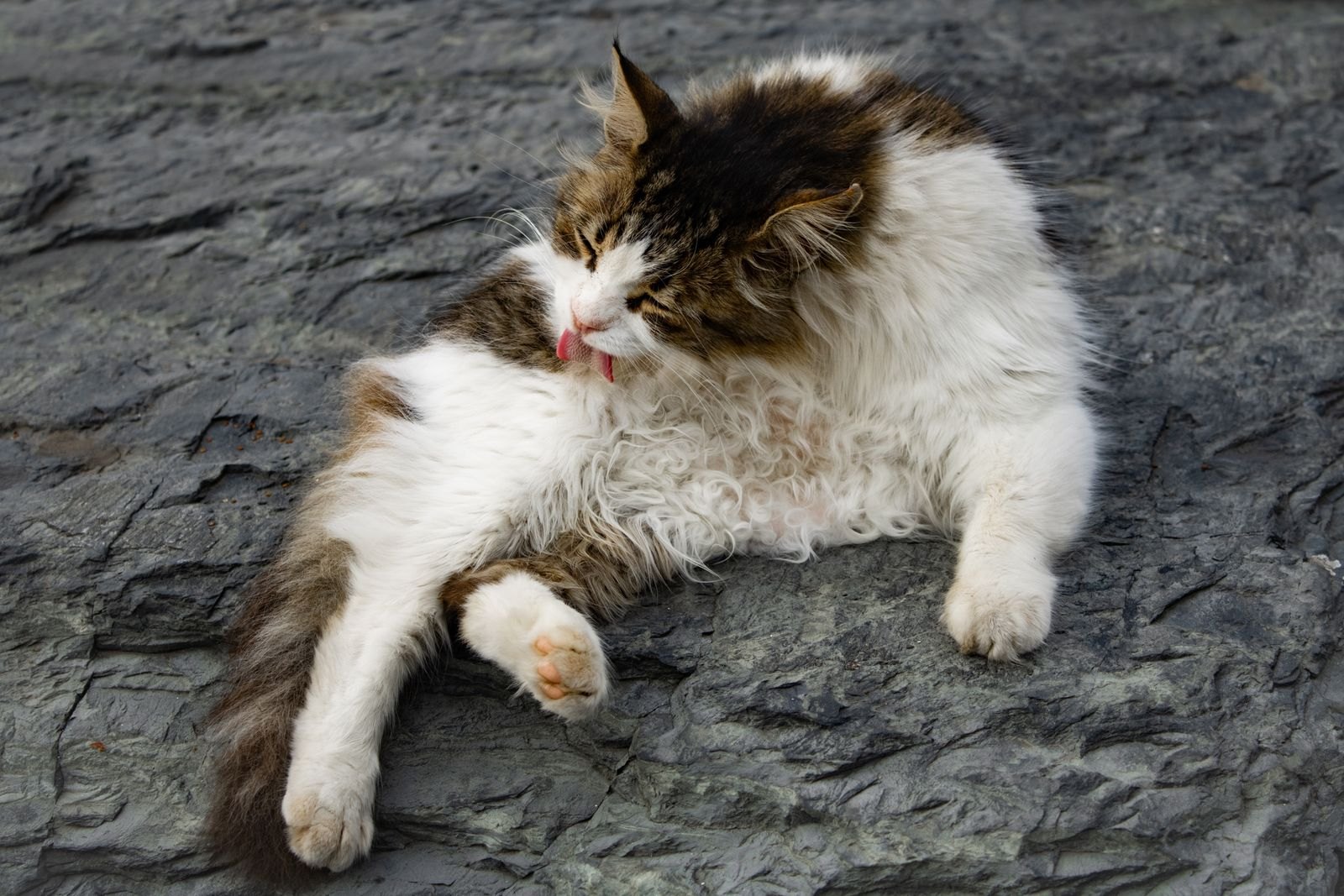
Why Does My Cat Bring Me Dead Bugs and Toys?
Your cat drops a dead moth or a toy mouse at your feet with a proud meow. Here's the real reason behind it, and how to respond in a way that helps.

Your cat trots in proudly carrying a dead moth, a bottle cap, or their favorite toy mouse and drops it right at your feet, often with a distinctive "look what I did" meow. It's adorable, a little horrifying, and confusing all at once. The instinct behind it is more specific than "gift-giving," and understanding it makes the whole habit easier to live with.
The misconception: your cat thinks you can't hunt for yourself
A popular explanation online says cats view their owner as a bad hunter and bring prey home to feed them, almost out of pity. It's a catchy idea, but it doesn't hold up well as the main driver, especially once toys enter the picture. The same delivery pattern shows up with both real prey and toys, and even indoor-only cats with zero access to actual prey still bring toys to their owner the same way — which points to something broader than a feeding gesture.

Why cats actually do this: completing the hunt with their person
The feline hunting sequence runs stalk, chase, catch, carry, and sometimes eat. In a safe, well-fed indoor cat, the drive to actually eat the catch mostly disappears, but the instinct to complete the carry-and-present step of that sequence often stays fully intact.
Cats that are strongly bonded to their owner may treat that person as part of their social unit, echoing the way a mother cat carries prey back toward her kittens — even neutered and spayed cats retain elements of this pattern. Bringing an item back while vocalizing draws the "family" toward the catch, similar to social food-sharing seen in some group-living cats. For toys specifically, it's often simpler than that: successfully catching one is rewarding on its own, and bringing it to the person who usually starts playtime works as an invitation to keep going, not a gift in the way people tend to frame it. Cats that deliver prey or toys almost exclusively to one household member, rather than dropping them anywhere, are usually singling out whoever they see as the most reliable play or feeding partner — a small clue about who the cat considers closest, even if every family member feeds them equally.
The actual fix: respond in a way that keeps the behavior positive
- Acknowledge it briefly instead of reacting with disgust — a strong negative reaction, especially over real prey, tends to confuse the cat without actually stopping the instinct behind it.
- Add scheduled interactive play with wand toys that mimic the full stalk-chase-catch sequence — cats that get to complete a hunt during dedicated play sessions often bring fewer real prey deliveries, since some of that drive is already being satisfied.
- Let the cat keep the toy nearby for a bit after a delivery instead of immediately taking it away, since removing the "catch" too fast can turn a normal hand-off into a game of keep-away that reinforces guarding it instead.
- For cats with outdoor access, a breakaway bell collar or more supervised outdoor time can reduce, though not fully eliminate, how often real prey makes it back to the door.
FAQ
Is this a sign of affection?
Possibly, at least in part — it's plausible the behavior is linked to social bonding with a trusted person. But "completing the hunting instinct" explains both toy and prey deliveries better than a pure gift-giving story on its own.
Should I worry about diseases from prey they bring in?
Yes, it's worth a bit of caution — dead rodents and birds can carry parasites, so use gloves when disposing of them and keep your cat's vaccinations and parasite prevention current.
This isn't a feeding gesture so much as a hunt-completion behavior tied to bonding — calm acknowledgment and more scheduled play work better than scolding. If delivering behavior suddenly escalates or your cat seems unusually agitated around it, mention it to a vet or a certified behaviorist.
Related articles
 4 min read0 views
It's Not Spite — Here's Why Cats Actually Skip the Box
A cat avoiding the litter box isn't getting revenge. Here's the real checklist of causes, from box setup to the medical issues that need a vet first.
 4 min read0 views
4 Reasons Your Cat Scratches the Couch (It's Not Spite)
Furniture scratching isn't bad behavior to punish — it's a real feline need aimed at the wrong surface. Here's why cats do it and what actually redirects it.